
Top Winter Adventure Activities in Himachal Pradesh | Best Snow Sports & Travel Experiences
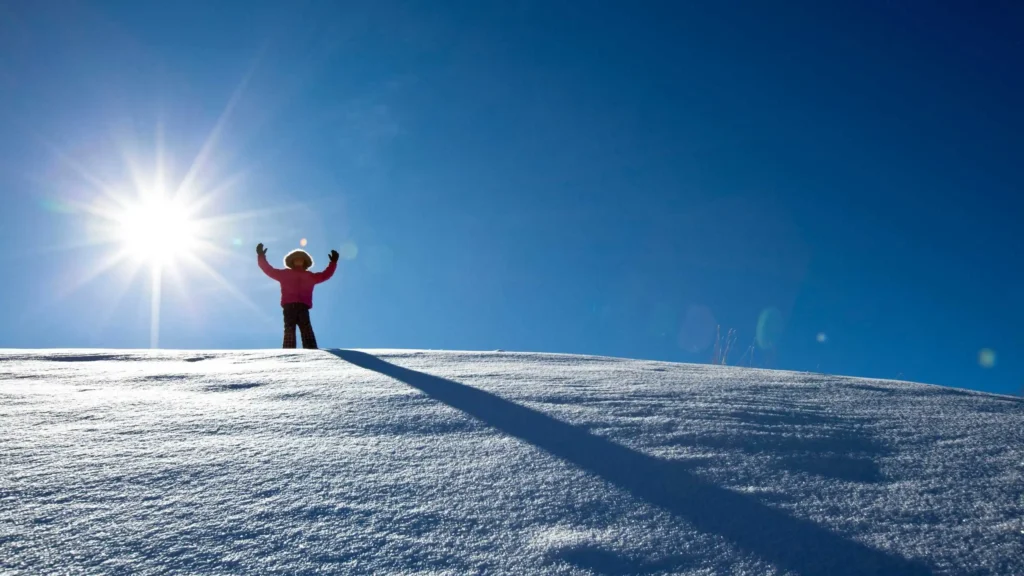
Himachal Pradesh, a paradise tucked in the lap of the majestic Himalayas, transforms into a dreamland for adventure seekers when winter sets in. With snow-draped valleys, frozen lakes, and scenic trails surrounded by pine forests, this northern Indian state becomes the ultimate destination for those looking to experience thrilling winter adventure activities in Himachal Pradesh. From skiing down the icy slopes of Solang Valley to gliding through the chilly winds while paragliding over Bir Billing, every corner of Himachal offers a unique adrenaline rush. What makes winter adventure activities in Himachal Pradesh so special is the perfect blend of nature’s serenity and adventurous charm. Whether you’re a first-time traveler or a seasoned explorer, places like Manali, Kufri, Narkanda, and Spiti Valley promise an unforgettable experience. Imagine trekking through snow-covered landscapes, camping beneath glittering skies, or ice-skating on Shimla’s frozen rinks every moment here redefines winter excitement. Skiing in Solang Valley – The Winter Playground of Himachal When it comes to winter adventure activities in Himachal Pradesh, Solang Valley near Manali tops the list. Known as the “Snow Point of Himachal,” this valley turns into a skiing paradise between December and February. The slopes here cater to both beginners and experts, offering professional instructors and rental equipment. Besides skiing, Solang also offers snowboarding, snowmobiling, and zorbing. Tourists can witness panoramic views of snow-covered peaks while enjoying a mix of thrill and tranquility. If you’re visiting for the first time, take a short skiing lesson it’s an experience that makes you truly feel the spirit of the Himalayas. Best time: Mid-December to FebruaryIdeal for: Skiing, snowboarding, snow rides, and paragliding Read: 5 Best Places to Travel in December – Perfect Winter & Holiday Escapes Paragliding in Bir Billing – Fly Over the White Himalayas For those who love the skies, paragliding in Bir Billing is one of the most breathtaking winter adventure activities in Himachal Pradesh. Known globally as one of the top paragliding sites in the world, Bir Billing gives you a bird’s-eye view of snow-capped mountains and lush valleys blanketed in mist. During winter, the cool, crisp air and clear skies make flying here even more thrilling. Beginners can opt for tandem flights with experienced pilots, while professionals can try solo glides that last up to 30 minutes. Best time: October to MarchIdeal for: Paragliding, camping, nature photography Adventure Resort Experience in Kufri — Adventure Resorts Kufri If you’re looking to add variety and fun to your list of winter adventure activities in Himachal Pradesh, the Adventure Resorts Kufri near Shimla offer an exciting all-in-one destination for families, friends and individual travellers alike. Nestled among snow-covered slopes of Kufri, this park boasts over 20 rides and adventure zones from go-karting and zip lines to unique attractions like the “Museum of Mystique”. adventureresortkufri.com In winter, when the landscape is draped in white, the resort takes on a special charm. You can glide along zip-lines above snowy forests, speed around go-kart tracks carved in chilly air, and enjoy fun swings and rides with the crisp Himalayan backdrop. Because it’s a built-for-all-seasons adventure hub, this destination perfectly complements your search for winter adventure activities in Himachal Pradesh you’re not only engaging in snow-specific sports, but gaining extra value through fun rides and indoor/outdoor mix. Why it stands out: Tips for visiting: Adding this resort section enriches your blog by offering a concrete, easily accessible location for winter adventures, reinforcing your keyword and providing actionable travel advice. Snow Kingdom Kufri — Snow Kingdom Kufri A truly unique highlight among winter adventure activities in Himachal Pradesh is Snow Kingdom Kufri—an indoor snow park that brings winter fun to life regardless of the external weather. Located at an altitude of around 8,800 feet and spanning over 12,000 sq ft, this snow-paradise features towering ice structures and year-round snow slides, tuberides and ice-skating zones. snowkingdomkufri.com Picture yourself sliding down a 25-meter tube ride, having a snowball fight, or gliding on a small skating rink, all under controlled but authentic cold conditions, surrounded by dramatic Himalayan scenery. This kind of experience is a refreshing addition to your broader list of winter adventures, making your blog appeal not just to hardcore sport-seekers, but also families and travellers looking for fun winter experiences. Why you should include it: Visitor tips: Ice Skating in Shimla – Glide Through the Colonial Charm Shimla, the queen of hills, offers a unique experience during winter with its open-air ice-skating rink one of the oldest in Asia. Ice skating is among the most popular winter adventure activities in Himachal Pradesh, especially from December to February when the rink freezes naturally. Families, couples, and solo travelers gather here every morning to enjoy gliding on ice surrounded by snow-covered deodar trees. The Ice Skating Club of Shimla organizes events and competitions that make the experience even more vibrant and festive. Best time: Late December to FebruaryIdeal for: Ice skating, winter festivals, and sightseeing Snow Trekking in Spiti Valley – The Frozen Desert Expedition If you crave adventure beyond the ordinary, winter trekking in Spiti Valley is a must-try. Known as the “Cold Desert of Himachal,” Spiti transforms into a magical white expanse in winter. Snow trekking here is one of the most challenging yet rewarding winter adventure activities in Himachal Pradesh. Trekkers can explore the trails between Kaza, Kibber, and Langza while encountering frozen waterfalls, monasteries draped in snow, and views that seem straight out of a fantasy world. The journey tests endurance but offers unmatched peace and beauty. Best time: January to MarchIdeal for: Snow trekking, photography, monastery visits Snow Camping in Manali – A Magical Winter Escape Camping in the snow is one of the most beautiful winter adventure activities in Himachal Pradesh that lets you truly connect with nature. Manali offers several snow camping spots where travelers can stay in cozy tents, enjoy bonfires, and wake up to stunning mountain views. During winter, adventure camps near Solang and Sethan Valley become lively hubs for snow camping and stargazing. With guided hikes and local
Winter Spiti Expedition: An Ultimate Guide for Fearless Wanderers
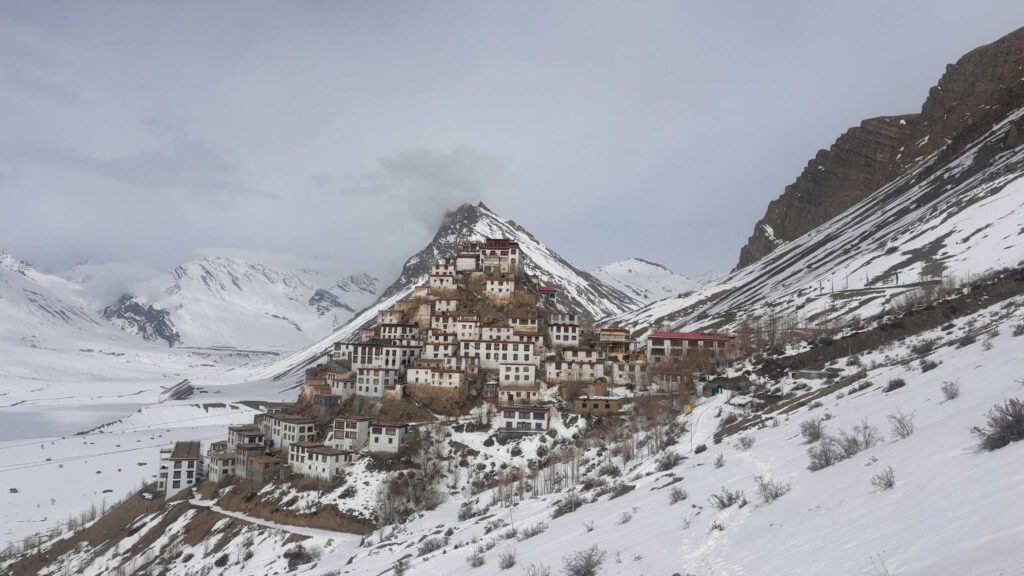
Introduction: The mystery of Spiti in the midst of winter’s embrace. Imagine awakening within a realm muffled by alabaster silence, where monasteries weathered by centuries rise like vigilant sentinels of forgotten lore, and the only anthem is the brittle fracture of frost beneath your boots. This is the Winter Spiti Expedition, an ethereal frontier etched into the cold desert of Himachal Pradesh. Though crowds surge toward Spiti in summer’s forgiving glow, it is the Winter Spiti Expedition that separates genuine voyagers from fleeting spectators. In these months the valley unveils its marrow, with frozen torrents, hamlets cocooned in snow, and constellations scattered across an ink-drenched sky that whisper tales of endurance and solitude. For those who yearn not just for scenery but for transformation, the Winter Spiti Expedition deserves a sacred place atop one’s aspirations. Why Undertake a Winter Spiti Expedition Many wonder why one would traverse Spiti during winter’s merciless rule. The season is indeed harsh, yet its very cruelty forms the essence of its allure. The valley in winter offers unworldly stillness, unspoiled and reverent. Cascades, rivers, and lakes crystallize into dreamlike marvels conjured straight from legend. With so few visitors, villagers reveal warmth that is rare and unfeigned, granting travelers a glimpse of unvarnished life in snow-laden settlements. Every icy drive along serpent roads and every trek through knee-deep snow transforms into lore of its own. For the bold, the Winter Spiti Expedition offers no grander stage. Must Read: Best Places to See Snow in Himachal Pradesh The Season’s Dominion Winter reigns over Spiti from late October until March, though the pinnacle of the Winter Spiti Expedition arrives between December and February, when snow holds supreme dominion. December and January bring fierce snowfall, rivers locked in ice, and a cold that shows no mercy, appealing only to those with audacious hearts. February and March soften slightly, days stretch longer, and roads awaken, striking a balance between peril and solace. Temperatures plunge to minus twenty degrees or lower once twilight drapes itself across the valley, reminding every traveler of the gravity of the Winter Spiti Expedition. Places Whispering Reverence The Winter Spiti Expedition is not about tallying countless stops but about immersing in chosen sanctuaries. Kaza, the nucleus of Spiti, becomes a refuge veiled in snow where homestays with wood-fired stoves and spirited souls keep warmth alive. Key Monastery, perched at 13,668 feet, gleams against a snowy canvas, while chants echoing through its icy halls remain etched in memory. Kibber Village, famed for sightings of the elusive snow leopard, enthralls those drawn to wild beauty. Langza, with its fossil-rich soil and vistas of Chau Chau Kang Nilda, Hikkim with its defiant post office, and Komic, one of the highest inhabited corners of the world, offer glimpses into resilience shaped by frost. Chandratal Lake, often inaccessible in mid-winter, reveals its semi-frozen grandeur during November’s dusk or March’s thaw, adding another jewel to the Winter Spiti Expedition. Adventures That Beckon The Winter Spiti Expedition is not a passive indulgence but an immersion into raw adventure. Snow treks carve paths through untouched silence, while the pursuit of the snow leopard lures wildlife sages from across the globe. Streams lie frozen in slumber, daring travelers to cross them, while steaming bowls of thukpa, prepared by locals hardened against winter’s fury, provide warmth that is both physical and soulful. Under the ink-black sky, stargazing reveals galaxies in their purest brilliance, an astral banquet that only Spiti can offer. Trials Etched in Frost No profound journey comes without crucibles, and the Winter Spiti Expedition is no exception. Temperatures plummet mercilessly, roads close without warning, and facilities diminish, leaving homestays as lifelines. The altitude demands patience and humility, while the weather writes its own law, untamed and unpredictable. Every hardship becomes part of the tale, and every ordeal adds depth to the journey. Preparations: The Key to Survival Wisdom is the foundation of triumph in the Winter Spiti Expedition. Acclimatize by halting at Shimla or Reckong Peo. Allow buffer days for the unexpected. Secure homestays long before arrival, and drink water even when thirst hides, for altitude deceives the senses. Packing becomes a ritual of survival: thermal layers, down jackets, impermeable gloves, woolen socks, fleece hoods, and boots that clutch the ice. Sunglasses shield against snow blindness, sunscreens protect under a deceptive winter sun, while power banks, headlamps, and medicines serve as guardians against altitude’s tricks. The Pathways into Spiti’s Winter There is but one artery open in winter, the Shimla–Reckong Peo–Kaza route, a demanding yet breathtaking journey stretching across two days. The Manali path slumbers beneath snow until May. Those who dare the Winter Spiti Expedition must trust sturdy four-wheel drives armed with snow chains, for public transport proves unreliable in such ruthless conditions. Shelter in Winter’s Grasp When hotels shutter, homestays whisper their welcome. Firewood hearths throb with warmth, butter tea steams beside bukhari stoves, and conversations flow richer than any luxury lodging. In these modest rooms, the essence of the Winter Spiti Expedition comes alive—stories exchanged, cultures intertwined, and humanity glowing brighter than any electric lamp. Stay at Spiti- Best Hotels in Spiti Safety and Reverence To endure the Winter Spiti Expedition, prudence is sacred. Notify others of your path, trust seasoned local drivers, and avoid the perils of night travel. Carry your refuse back, honor the valley’s traditions, and tread with respect. The expedition is not a conquest of nature but a communion with her raw spirit. The Call of Spiti’s Winter: A Benediction The Winter Spiti Expedition is not simply travel—it is revelation, ordeal, and transcendence entwined. It is the sting of icy winds across the cheek, the warmth of butter tea in homes filled with stories, and the hush of dawn gilding frozen valleys in molten gold. Severe, yes. Unforgiving, yes. Yet profoundly transformative. For dreamers seeking journeys that redraw the map of the soul, the Winter Spiti Expedition awaits—its silence louder than the clamor of any city.
Kullu Manali Family Trip Plan: Best Places & Tips
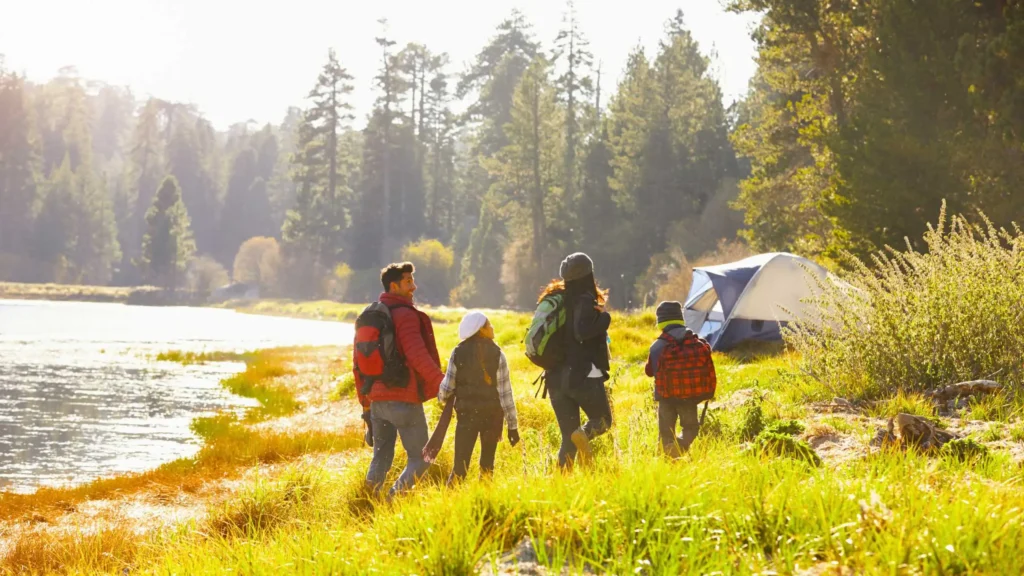
Travel teaches that life is less about the finish line and more about the moments between, small sparks that later become stories. For many Indian families, a holiday is where those stories begin, full of laughter, simple joys, and little surprises. Kullu Manali holds a special place in the heart of the mountains, where pine-scented valleys meet bustling bazaars and snow-tipped peaks. It promises fun for children, calm for elders, and pockets of adventure for everyone in between. Planning a Kullu Manali family trip means picking the right season, choosing comfortable stays, and knowing which spots to save for sunset. Read on to learn how to make every day of your trip count. The Kullu Manali Experience: An Overview A Kullu Manali family trip is more than a getaway; it is an opportunity to weave natural beauty, local culture, and meaningful togetherness into one holiday. Nestled in Himachal Pradesh, Kullu Manali is one of India’s most cherished family destinations. Misty valleys, clear rivers, spiritual shrines, and lively markets create a mix that suits both thrill-seekers and those who prefer peaceful moments. Planning a Kullu Manali family trip pays off when each day blends sightseeing, relaxed time, and small local discoveries, so everyone in the family goes home with warm memories. Why Kullu Manali Appeals to Families The charm of a Kullu Manali family trip lies in its variety. Kullu is known for wide valleys, apple orchards, and colourful festivals, while Manali draws visitors with snow-covered hills, adventure activities, and vibrant markets. Families with young children and elders often find this balance ideal. Kids can enjoy paragliding, river rafting, or gentle skiing, while elders can relax at temples such as Hidimba Devi and stroll along the Beas River. Indian families value places that blend recreation and culture. Kullu Manali delivers both, offering moments of discovery for every family member. Best Time to Visit Kullu Manali for Families Choosing the right season is important for a comfortable Kullu Manali family trip. Summer, from April to June, is perfect for escaping the plains’ heat, with temperatures around 10°C to 25°C. This season brings lush green valleys and a full range of outdoor activities. Winter, from December to February, turns Manali into a snowy playground with skiing and snow fun, a rare treat for many children. Autumn, from September to November, offers calm, clear days after the monsoon. For families with grandparents, summer or autumn often works best because the weather is moderate and travel is easier. How to Reach Kullu Manali Accessibility makes planning a Kullu Manali family trip straightforward. The closest airport is Bhuntar Airport, roughly 50 km from Manali, with flights from major cities like Delhi and Chandigarh. Road journeys are popular with families who enjoy scenic drives; the route from Chandigarh to Manali is especially memorable, with riverside views and mountain switchbacks. Trains reach nearby stations such as Joginder Nagar, and onward road travel completes the journey. Each mode of travel has its own charm, and many Indian families prefer road trips for the shared time together. Top Family-Friendly Attractions in Kullu Manali A Kullu Manali family trip offers many attractions suitable for all ages: Together, these spots make a Kullu Manali family trip varied and rewarding. Family-Friendly Activities A trip to this region centers on shared experiences. Families can: These activities help every family member, from children to grandparents, enjoy the holiday. Accommodation Options for Families Accommodation plays a key role in any Kullu Manali family trip. Options range from budget homestays to luxury resorts. Resorts with family rooms, play areas and on-site activities are convenient choices. Homestays offer authentic Himachali hospitality and a chance to experience local life. Choosing riverside cottages or log-style stays can make evenings especially memorable for families. Practical Tips for a Smooth Kullu Manali Family Trip Following these tips keeps your Kullu Manali family trip comfortable and enjoyable. Cultural Highlights Cultural immersion is a memorable part of a Kullu Manali family trip. Kullu Dussehra stands out with colourful processions and community gatherings. Local folk music, dances and weekend markets let families connect with traditions, and these moments often spark conversations across generations. Adventure for All Ages Kullu Manali offers activities for every age. Children and younger members can enjoy snow play, white-water rafting and short treks, while elders can relax in gardens, visit temples, or take gentle scenic drives. This mix makes Kullu Manali well-suited for multigenerational travel. Shopping and Souvenirs Shopping is a charming part of a Kullu Manali family trip. Manali’s Mall Road is known for warm woollens, shawls, and wooden handicrafts. Kullu is famous for its handwoven Kullu shawls with bright patterns. Buying local crafts becomes a way to bring the region home and remember the trip. Food and Dining Shared meals are central to family trips, and Kullu Manali does not disappoint. Try a traditional Himachali thali, warm siddu, and freshly cooked trout at riverfront cafes. Local flavours and simple, hearty dishes often become the most-quoted memories from a family holiday. Final Thoughts A Kullu-Manali family trip is a celebration of togetherness, nature, and culture. With thoughtful planning, considering the right season, selecting family-friendly activities, and booking comfortable stays, families can craft an unforgettable holiday. Whether you are making snowball memories at Rohtang, watching sunsets over the Beas River, or discovering local markets together, Kullu Manali promises a journey that stays with everyone long after the trip ends. Safe travels and happy memories on your Kullu Manali family trip. Also Read: How to plan a perfect family vacation in Himachal
Best 5 Day Kullu Manali Itinerary for First-Time Visitors
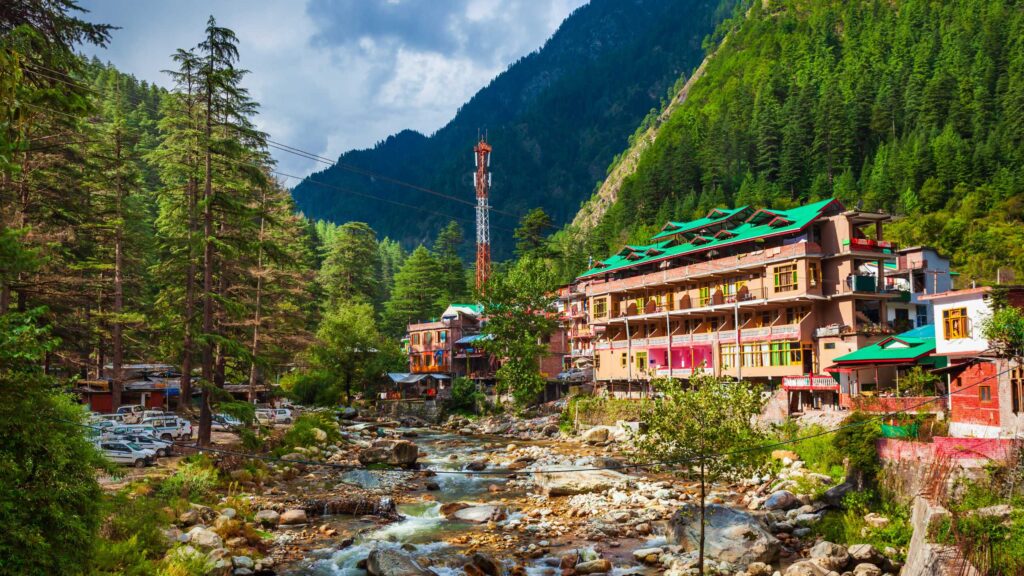
Life feels richer when we step away from routines and embrace journeys that shape memories. Travel is more than ticking off places; it’s about stories, flavors, and the quiet beauty that lingers in the heart. Among India’s most beloved escapes, Kullu Manali stands out as a valley where snow-kissed peaks, apple orchards, and winding rivers come together in harmony. For first-time visitors, this destination holds the promise of adventure, peace, and cultural charm all in one frame. But exploring it in the right rhythm makes all the difference. If you’re planning your very first trip, this guide walks you into a thoughtfully designed 5-day Kullu-Manali itinerary that balances nature, thrill, and local essence crafted to help you experience the valley at its best. Day 1: Explore Kullu City and Valley Highlights On your first day in Kullu Manali, settle into the valley and start with Kullu City itself. Begin at the historic Raghunath Temple in central Kullu, a 15th-century shrine dedicated to Lord Rama and a focal point of local heritage. Nearby, stroll through Kullu’s Akhara Bazaar and riverfront promenade, where you discover traditional Himachali shops and gentle views of the Beas River. The lively market area creates opportunities to pick up shawls or listen to folk music, giving you a taste of local life. If time allows in the afternoon, consider an easy trek of about 10 km up to Bijli Mahadev Temple, perched on a hill above Kullu. This hilltop Shiva temple offers panoramic views of the Kullu valley. Legend says it receives a strike of lightning every 12 years, which adds a touch of mystique. End the day enjoying the valley’s evening calm, watching the sunset over the mountains or trying a simple local dinner of siddu or trout curry, both Kullu specialties. Must Read: How to Reach Kullu Manali by Road, Air, and Train Day 2: Manali’s Cultural Charm, Temples and Hot Springs Day 2 takes you higher into Manali, still within the Kullu Manali area. After breakfast, head to Old Manali on the forested outskirts of town and visit the famous Hadimba Devi Temple. This ancient wooden shrine, dedicated to Bhima’s wife from the Mahabharata, rests amid a deodar cedar grove. The temple’s unique architecture and serene ambiance remain unforgettable. Next, drive a short distance to the village of Vashisht. Here you encounter natural hot-water springs considered to hold healing powers, along with the Vashisht Temple dedicated to the sage Vashisht. A soak in the hot spring pools, with separate sections for men and women, creates a relaxing cultural experience that marks Kullu Manali travels. In the afternoon, return to central Manali to wander Mall Road, the town’s lively pedestrian street. Mall Road features shops, cafes, and bakeries showcasing local handicrafts such as woolen shawls and Tibetan crafts, along with Himachali treats. Enjoy steaming mugs of chai or local thukpa soup while absorbing the mountain-town atmosphere. Day 2’s blend of temple visits, village walks, and local shopping presents a true introduction to the culture and hospitality of Kullu Manali. Day 3: Adventure in Solang Valley and High Mountain Vistas On Day 3, prepare for adventure in the Kullu Manali highlands. In the morning, drive up the winding road to Solang Valley, about 13 km from Manali. Solang stands as the region’s adventure hub and snow-play area. During every season, Solang Valley’s scenery, meadows ringed by peaks, offers breathtaking views. In summer, adrenaline activities abound: try paragliding or zip-lining off the slopes, or hop in an ATV and explore the hills. For thrill-seekers, the zorbing or rope-crossing courses create a fun challenge. In winter, Solang transforms into a skiing and snow-fun wonderland, and beginners can hire guides for gentle ski slopes. After a late lunch in Solang, if weather and snow conditions remain favorable, continue onward toward Rohtang Pass. Rohtang generally opens from May to November, so confirm current access if your trip comes close to changing seasons. Reaching Rohtang Pass, at an elevation of about 13,050 ft, adds an optional highlight. The high-altitude drive itself presents scenic beauty, and at the top you stand surrounded by panoramic vistas of glaciers and mountain ranges. The views across the Kullu and Lahaul valleys inspire awe when visibility stays clear. After enjoying the high-mountain air, return to Manali by evening. Day 3’s mix of Solang Valley adventure and, when possible, a glimpse at Rohtang’s heights delivers first-timers a thrilling taste of Kullu Manali’s natural playground. Day 4: Naggar Heritage and Mountain Wilderness Today, explore the cultural heart of the Kullu valley. Drive down from Manali toward Kullu and stop at Naggar Castle, about 20 km south of Manali. This 15th-century Himalayan castle once served as the home of the Kullu king. Set on a ridge with sweeping views, it functions today as a museum and art gallery. Discover the castle’s wooden architecture and the nearby quaint village. Next, stroll through Naggar’s old market. The wooden houses, copperware shops, and handicraft stalls here reflect the timeless charm of the Kullu Manali region. You can browse for handwoven pashmina shawls or freshly carved wood souvenirs. In the afternoon, head back down to Kullu Manali town. If you appreciate nature, consider a short trek or drive, weather permitting, into the Great Himalayan National Park area, which begins close to Kullu. This UNESCO World Heritage site spreads across the Kullu Himalayas. It offers pristine forests, alpine meadows, and habitat for species such as the snow leopard. Even without a long trek, you can stop at a forested picnic spot or take a short nature walk in the foothills. Whether wandering Naggar’s heritage or sampling the wild parks of Kullu, Day 4 surrounds you with history and wilderness. By evening, return to Manali or Kullu and reflect on how Kullu Manali blends mountain culture with natural beauty. Day 5: Parvati Valley, Manikaran Hot Springs, and Farewell On the final day, take a memorable side-trip into Parvati Valley before departure. Drive to Manikaran Sahib, around 85 km from Kullu Manali. This holy town
How to Reach Kullu Manali by Road, Air, and Train
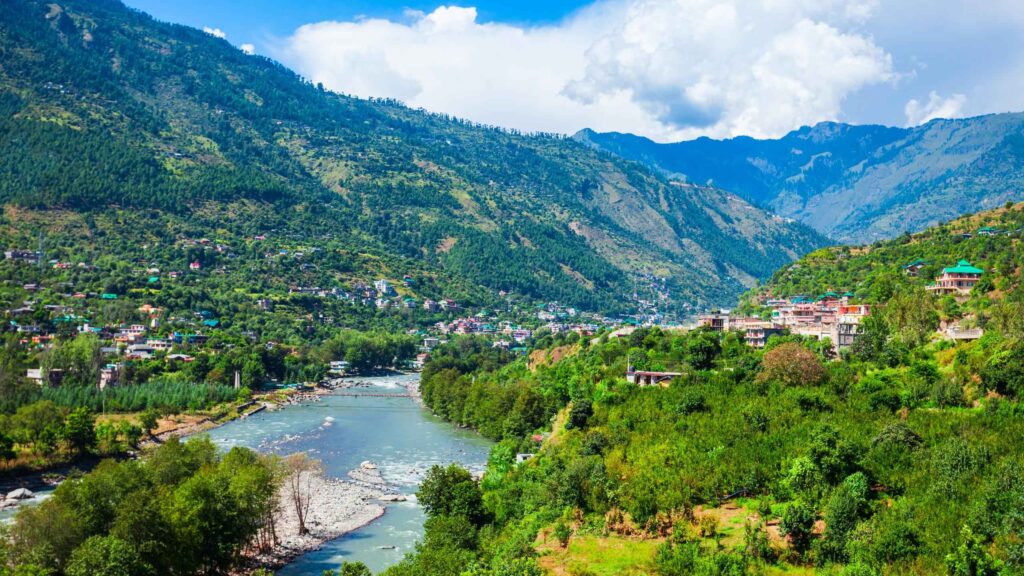
Nestled in the Himalayas, the Kullu Manali region of Himachal Pradesh is a dream destination for travelers from all over India. Lush valleys, snow-capped peaks, and apple orchards make Kullu Manali a year-round attraction. Whether you’re planning a solo adventure, a family getaway, or a romantic honeymoon, reaching Kullu Manali is part of the journey’s fun. In this guide, we’ll explore every major way to get to Kullu Manali: by road, by air, and by train. You’ll find practical routes, travel times, seasonal advice, and insider tips to help you pick the route that suits your style. Reaching Kullu Manali by Road Hitting the road is one of the most adventurous ways to reach Kullu Manali. The highway drive takes you through some of the most scenic parts of Himachal. From Delhi, the distance to Kullu or Manali is long, and the usual route goes via Chandigarh, Ropar, Bilaspur, Sundernagar, Mandi, Kullu, and then Manali. Roads (mainly NH-44 and NH-154/NH-3) are generally well-paved but become narrow and winding in places. Allow plenty of time for the Delhi–Manali journey, and plan for a shorter drive from Chandigarh to Manali. The drive offers gorgeous views of the Sutlej and Beas Rivers, Sundernagar Lake, and pine forests, with tempting stops for tea or photos along the way. Road conditions are generally good up to Mandi; beyond Mandi, toward Kullu and Manali, the roads climb through forests and hairpin bends. Monsoon showers (July–August) can trigger landslides, so check the weather and allow extra time if traveling then. A quick break to admire Pandoh Dam (near Mandi) or to stroll through Kullu town adds to the journey’s charm. Once you reach Kullu town, Manali is about 40 km further and usually takes between one and a half to three hours by road, depending on traffic and weather. Frequent local buses and taxis operate between Kullu and Manali, especially from the Bhuntar bus stand. In short, reaching Kullu Manali by road offers scenic value and budget-friendly choices, though it can be a long day of travel. For many travelers, the drive is an integral part of the Himalayan experience. Reaching Kullu Manali by Air For a faster option, fly to Kullu Manali Airport at Bhuntar. Bhuntar airport sits about 10 km south of Kthe Bhuntar Typical flight connections to Bhuntar include daily services from major cities such as Delhi and theChandigarh, with additional seasonal flights from other regional airports. During peak tourist season, flights can fill up quickly, so booking ahead is recommended. After landing at Bhuntar, arrange a ride to Manali or Kullu: prepaid taxis and shared cabs are available at the airport exit, and HRTC buses run between Bhuntar and Manali. The road from Bhuntar to Manali is scenic but winding; allow adequate time and expect the journey to take around two hours. If you prefer private transfer, taxis provide a faster and more comfortable last leg. Keep in mind that Bhuntar’s valley location means flights can be affected by weather: fog in winter and heavy clouds in monsoon can lead to delays or cancellations. If timing is critical, consider flying into a larger hub such as Chandigarh or Delhi and continuing by road. To summarize, reaching Kullu Manali by air is the fastest option for many travelers and works well for those with limited time or who prefer comfort. Flights are limited and seasonal, so plan early. Reaching Kullu Manali by Train There is no direct train to Kullu or Manali, but several nearby railheads serve as gateways. From each of these stations, travelers complete the journey by road. Train travel to the region is a budget-friendly option, especially if you are comfortable with a long onward road transfer. The most common approach is to take a comfortable overnight train to Chandigarh or Ambala and then embark on the scenic drive to Kullu Manali by bus or taxi the next day. When planning by train, aim to arrive at a major hub during daylight if possible, as continuing in daylight makes the road portion easier and more enjoyable. Official Himachal tourism pages and local operators often advise checking bus schedules and road conditions before booking. Best Time to Travel and Tips Must Read: Most Romantic Places to Visit in Kullu Manali Timing your trip to Kullu Manali matters: the region changes dramatically with the seasons. Practical travel tips for Kullu Manali: Final Thoughts Whether you call it Kullu Manali or simply Manali, reaching this Himalayan gem is part of the adventure. The road journey offers stunning scenery and budget-friendly options; flying into Bhuntar gives you speed and comfort; taking the train to a major hub and continuing by road is economical and suits travelers who prefer rail travel. Choose the route that matches your travel style: Each route to Kullu Manali has its own charm and considerations. Whichever you pick, plan ahead during peak season, keep an eye on weather updates, and carry the essentials for mountain travel. Safe travels, and enjoy the breathtaking beauty of Kullu Manali. New Experience: Wedding at Triyuginarayan Temple best wedding destination in the world
Most Romantic Places to Visit in Kullu Manali
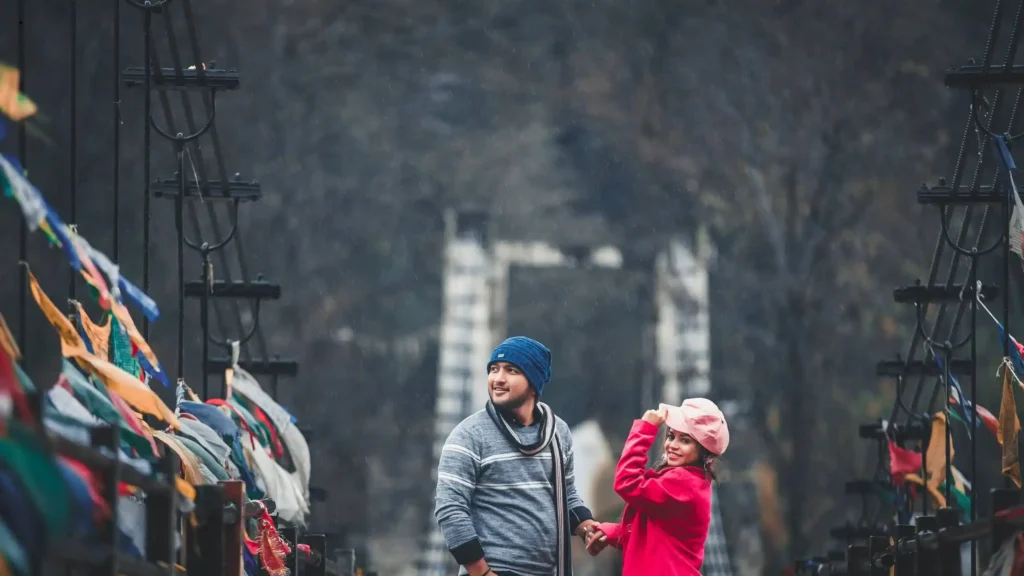
Kullu Manali offers couples a dreamlike blend of pine forests, apple orchards, roaring rivers, and snow-clad peaks. The Kullu Manali region, known as the Valley of the Gods, invites honeymooners and travelers to pause and breathe, sip warm kahwa, and watch the Beas River sparkle at sunset. Walk hand in hand through cedar woods, find quiet cafés by the river, or sit together on a balcony as the mountains glow at dawn. Kullu Manali makes romance simple and vivid, and this guide will lead you to experiences that feel like a private celebration in the hills. Romantic Adventure Activities in Kullu Manali Also Read: Best Activities in Solang Valley for Adventure Seekers Couples who seek a thrill will find Kullu Manali welcoming and exciting, with activities that create lasting stories and shared laughter. Each activity pairs with scenic views of the Kullu Manali hills, with cedar forests and the winding Beas below. After a day of adventure, cosy up with siddu and butter tea by a bonfire. Tip: book popular activities early during peak travel periods, and carry a light jacket and sunscreen for high-altitude sun. Luxury and Spa Experiences in Kullu Manali For couples who enjoy pampering, Kullu Manali has upscale resorts and boutique hotels with private cottages, mountain-view balconies, and soothing spas. Many properties offer couples’ Ayurvedic treatments, hot-stone therapies, and heated pools that frame Himalayan views. Private candlelit dinners by starlight or rooftop dining with a valley panorama create memorable evenings. Several resorts arrange bonfires and gourmet Himalayan menus in secluded outdoor spots, turning a simple meal into an intimate celebration. Choose suites with private verandas, Jacuzzis, or fireplaces for an extra layer of comfort. A stay that blends Himalayan decor, warm woollen throws, and wood-burning stoves invites quiet conversation and slow mornings. These luxury touches make time in Kullu Manali feel both indulgent and close to nature. Hidden Gems and Offbeat Romantic Spots Beyond the popular vistas, Kullu Manali holds quieter corners for couples who prefer gentle discovery and local flavour. Many of these spots offer reduced phone reception, which becomes a natural opportunity for a digital pause and deeper togetherness. Wear comfortable shoes and carry a shawl, since mountain weather shifts gently through the day. Ideal Times to Visit Kullu Manali for Romance Timing shapes the mood in Kullu Manali. Spring and early summer, from March to June, bring melting snow, green meadows, and rhododendron blooms. Days are pleasantly cool and nights are crisp, perfect for starlit bonfires and sunrise views. Winter, from December to February, turns Manali into a snow retreat. Fresh snowfall and quiet streets create a white backdrop for skiing, cosy fireplaces, and slow walks in gentle flurries. Rohtang Pass closes during heavy snow periods, while Solang Valley and central Manali continue to offer winter activities and scenic charm. Monsoon months, from July to September, transform valleys into intense green and powerful waterfalls. For travellers who enjoy dramatic nature and wet-season landscapes, this period offers lush views, though travel plans benefit from flexible scheduling and attention to local weather information. Quick tips: pack warm layers year-round, especially for nights at altitude. If you plan scenic drives, check local travel advice and arrange necessary permits for high-altitude passes well ahead of your trip. Romantic Dining and Stays in Kullu Manali Plan a special dinner and select stays with thoughtful details. Many hotels in Kullu Manali organize intimate evenings, such as rooftop meals, private outdoor dinners, and warm fireplaces. A table set with local or continental cuisine and a valley view turns a simple meal into a highlight. Taste Himachali dishes during your stay. Try siddu, thukpa, and local apple desserts, which bring regional flavour to meals. Old Manali’s eateries and Mall Road bakeries offer relaxed riverside dining and cosy cafés for shared breakfasts and late-night conversations. Mix a night in a luxury resort with a night in a boutique homestay to feel both pampered and authentic. A wooden cottage with large windows or a private veranda makes ordinary moments, such as sipping tea at dawn, feel quietly wonderful. Some couples choose offbeat cottages in nearby Kasol or riverside huts in Tosh for a different kind of intimacy. Final Thoughts Kullu Manali blends thrill and ease, adventure and quiet, creating countless romantic moments. From soaring above the valley to sharing a hot drink by a waterfall, the region gives couples a palette of experiences to shape their own story. Mix active days with gentle evenings, pick spots that suit your rhythm, and welcome the slow, luminous quality of the Himalayan hills.
Ultimate Kullu Manali Travel Guide: Everything You Need to Know
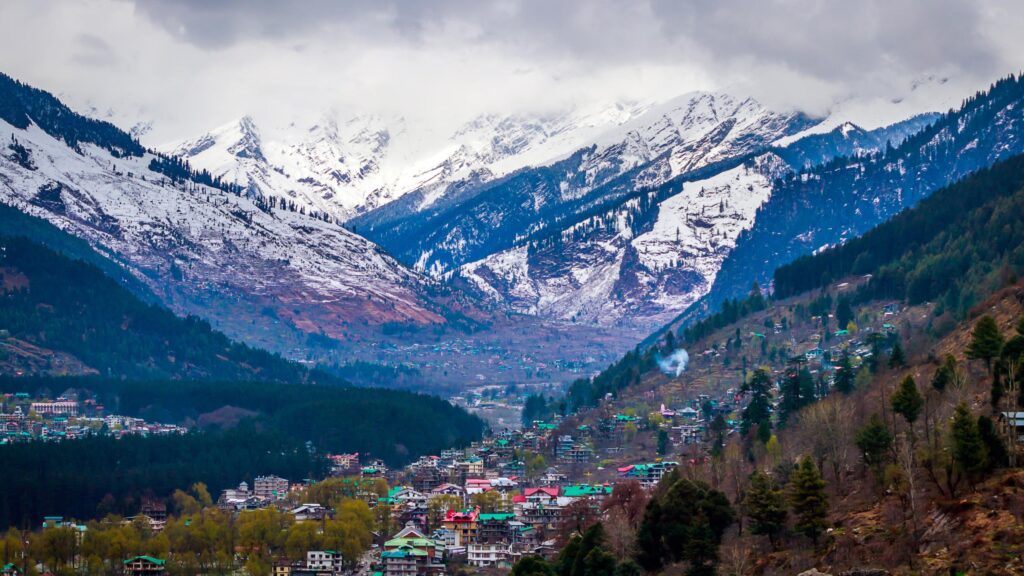
Every journey begins long before the first step, sometimes in the heart, where dreams of mountains, rivers, and open skies start to take shape. Kullu Manali carries that kind of magic, a place that doesn’t just promise views but an experience that lingers with every traveler. Nestled in the lap of Himachal Pradesh, it has grown into one of India’s most cherished destinations, drawing people with its blend of adventure, culture, and timeless beauty. Yet beyond the snow peaks and valleys lies a story that every visitor deserves to uncover. Think of this as more than a trip; it’s an immersion into nature, tradition, and discovery. Ready to explore what makes Kullu Manali unforgettable? Let’s dive into the journey ahead. Why Kullu Manali Holds a Special Place in India The Kullu-Manali region is often referred to as a Himalayan paradise, and for good reason. Towering deodar forests, snow-clad mountains, and the whisper of cool breezes make the scenery unforgettable. This valley also pulses with rich culture. Every autumn, the famous week-long Kullu Dussehra festival turns the town into a sea of color and devotion. Local artisans sell handwoven shawls and caps, and folk music fills the air, giving visitors a warm Pahari welcome. Whether you’re gazing at lush apple orchards in Kullu or enjoying a quiet moment by the Beas River, you’ll see why Kullu Manali travel guide writers often call this place truly special. How to Reach Kullu Manali Getting to Kullu and Manali is easier than ever, and our Kullu Manali travel guide covers all the options: Best Time to Visit Kullu Manali The seasons in Kullu-Manali vary greatly, so timing your trip is important. Our Kullu Manali travel guide suggests: In short, for clear mountain vistas and hiking, March–June is ideal. If you want snow sports or a cozy winter break, aim for late autumn through February. Top Attractions in Manali This Kullu Manali travel guide highlights Manali’s must-visit sights: Each of these places offers a different slice of Manali’s beauty and culture. No Kullu Manali travel guide would leave them out of a visit! Unmissable Experiences in Kullu Any good Kullu Manali travel guide will tell you that experiencing the local culture is just as important as the scenery. Key highlights in Kullu include These authentic experiences give depth to your visit. Our Kullu Manali travel guide especially recommends timing your trip to coincide with local events (like Kullu Dussehra) for a truly memorable adventure. Adventure Activities for Thrill-Seekers Must Visit: Top 7 Treks in Kullu Manali You Must Try Kullu Manali is a playground for adrenaline junkies. The Kullu Manali travel guide lists top adventure options such as In short, the Kullu Manali travel guide is packed with adventure ideas. Whether you’re a seasoned trekker or just want to try rafting, the mountains here will get your heart racing. Local Food and Flavors You Must Try No visit to Kullu-Manali is complete without tasting the local Himachali cuisine. This travel guide highlights a few signature dishes: No Kullu Manali travel guide would leave out these delicacies. You can find them at local dhabas, homestays, and family-run eateries. Don’t miss sipping hot masala chai or the sweet Himachali tea in between! Where to Stay in Kullu Manali The Kullu-Manali region offers lodging to suit every taste. This travel guide recommends: In short, whether it’s a five-star resort in the mountains or a homely lodge by the river, Kullu Manali travel guide advice is to book early – especially in high season or during festivals – to secure the best rooms. Shopping & Souvenirs Himalayan handicrafts and woolens make great souvenirs. Any Kullu Manali travel guide would point out: Stop by the Tibetan Market, Old Manali bazaar, or Mall Road in Kullu for the best selection. These local treasures are sure to bring home Himalayan memories. Tips for Travelers Before you go, every Kullu Manali travel guide will remind you of a few practical tips: With these tips in mind, you’ll be well-prepared to enjoy everything our guide describes. Conclusion The journey is as important as the destination, and Kullu-Manali is a destination that stays with you. We hope this Kullu Manali travel guide has filled you with information and inspiration. From soaring peaks to gentle valleys, from festive gatherings to quiet moments, every part of this region touches the heart. As you plan your trip, remember that mountains have a way of changing us: they remind us of our smallness, yet also of the vastness of our curiosity. May your own adventure through the Kullu-Manali valley leave you with warm memories, new friends, and stories you’ll tell for a lifetime.
Top 7 Treks in Kullu Manali You Must Try
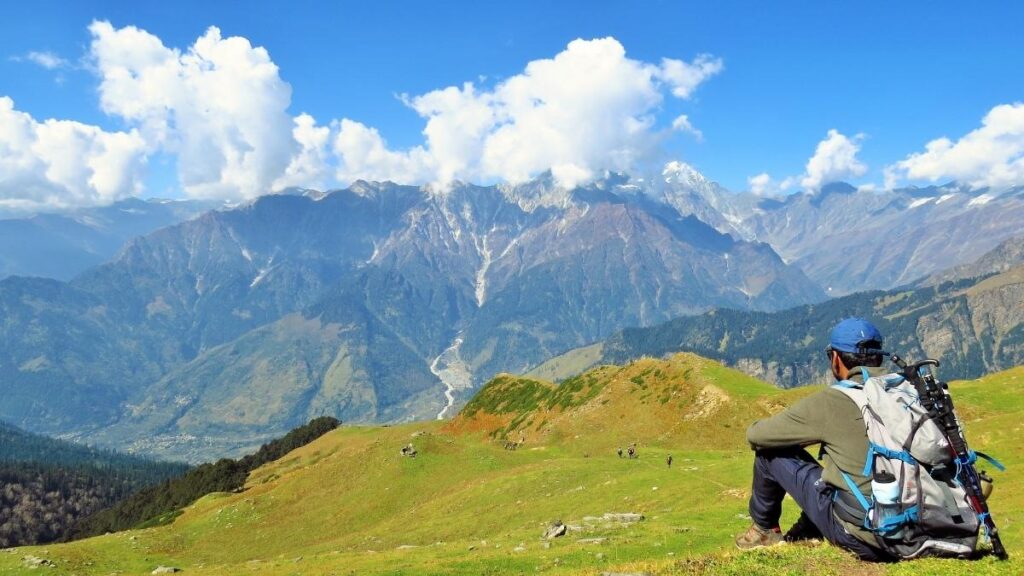
Every journey begins with a single step, and the mountains remind us that each step carries a story waiting to be lived. In the heart of Himachal Pradesh, Kullu-Manali calls out to explorers who seek both peace and adventure. Beyond its snow-clad peaks and vibrant bazaars lies a world where the rhythm of adventure feels stronger than city life. Trekking in Kullu Manali is a way of testing one’s spirit, embracing nature, and gathering memories that stay for a lifetime. The trails here reveal valleys, rivers, and timeless folklore, turning every walk into an experience worth cherishing. Are you ready to embark on journeys that broaden your horizons? Let’s dive into these new adventures together. The charm that pulls people here Trekking in Kullu Manali combines culture, scenery, and accessible adventure in a single trip. The valleys offer an easy approach from major towns and a strong range of options for fresh trekkers, weekend warriors, and seasoned hikers. Local villages welcome visitors with simple food, honest stories, and cozy homestays that enrich every hike. Trails change mood from green meadows to snowy passes, giving every day a new postcard moment. For Indian travelers, the journey keeps travel time friendly while delivering mountain immersion that feels authentic. Ideal time to plan a trek For clear trails and open meadows, plan trekking in Kullu Manali between April and June and again between September and early November. Spring brings blooming rhododendron and fresh green, while autumn brings crisp skies and excellent visibility. Monsoon months bring more wildflowers and river drama, though certain high passes may have extra water crossings. Winter is for snow lovers who enjoy heavy snowfall and frozen lakes, with suitable gear and local guidance. These seasonal notes help choose gear, routes, and how much acclimatisation to allow. Top 7 treks you must try Below is a concise guide to seven treks that capture the essence of Trekking in Kullu Manali. Each entry gives what to expect, how many days to plan, and what mood each trail carries. 1. Hampta Pass Trek Also Read: Best Time to Visit Kullu Manali for Weather, Snow & Adventure Hampta Pass blends lush green valleys and stark high-altitude moonscape within a few days. Typical duration is about five to six days, and the high point reaches around 14,000 feet, giving dramatic crossover views of two very different valleys. This route offers broad meadows, easy river crossings, and a chance to camp under huge open skies. Hampta sits well for travelers who enjoy steady climbs and memorable camps. 2. Beas Kund Trek Beas Kund leads to the source area of the Beas River and rewards trekkers with close mountain panoramas and glacier-fed streams. The usual itinerary spans three to four days with easy to moderate walking each day, making it accessible for families and first-time trekkers who want a true Himalayan feel. Early morning lakeside views make each day worth the effort. 3. Bhrigu Lake Trek Bhrigu Lake sits on a grassy amphitheatre surrounded by sweeping Himalayan views. The trail offers lovely meadows and a high-altitude lake that shimmers in summer sunlight. Typical plans run for three to four days, and the route suits people who enjoy gentle ascents, photography, and relaxed camps. The area becomes a sea of wildflowers in season, creating picture-perfect moments. 4. Chandrakhani Pass Trek Chandrakhani Pass is famous for folklore, panoramic views, and a peaceful rhythm of villages and trails. This trail links the Kullu valley to hidden hamlets and offers gentle climbs with long vista points. Trekkers find easy cultural stops and quiet camps, making it a satisfying choice for travelers who enjoy steady days on the trail and evening stories by the stove. 5. Pin Parvati Pass Trek Pin Parvati Pass is an epic crossing for seasoned adventurers, offering remote landscapes, long days, and a strong sense of wilderness. Expect demanding terrain and high altitude sections that require good fitness and careful planning. The pass crosses diverse ecosystems and ends in arid Spiti-like scenes, giving a grand sense of achievement to those who complete it. 6. Kheerganga Trek Kheerganga brings a warm surprise: a natural hot spring at the top. The trail runs through pine forests and small waterfalls, with an overnight at campsites that buzz with easy company. The route pairs well with a short pilgrimage mood or a weekend reset. Tropical tea shops in nearby villages add to the friendly tone of the trek. 7. Malana Village Trek Malana offers a cultural immersion along with scenic trails. The hike into Malana passes unique stone houses and a setting that carries strong local traditions. Visitors who approach with respect gain an uncommon glimpse into village life and mountain storytelling. Treks here work well for travelers who seek culture and gentle walking combined. Practical tips for a smooth trek Trekking in Kullu Manali gives delight when small details receive attention. Pack layers: a warm jacket, breathable base layers, and a light rain jacket for quick weather shifts. Carry a basic first aid kit, blister plasters, sunscreen, sunglasses, and a reusable water bottle with a filter or tablets. Put comfortable trail shoes through a short test walk before arrival and break in any new boots. Start with easy walks and add a longer day for acclimatisation when your itinerary has high passes. Local guides add safety and cultural context, and local porters help keep group energy lively and light. Safety and eco-friendly practices Keep trails clean by carrying a small biodegradable bag for waste and returning any non-biodegradable items to proper bins in towns. Respect local customs at village stops and ask before photographing people or homes. Follow the guide instructions during river crossings and steep sections. Share your itinerary with a trusted contact and check local weather advisories before moving to higher altitudes. These practices protect the trail and ensure future visitors enjoy the same sense of wonder. Other adventure activities nearby Kullu Manali offers more than hill trails. River rafting on the Beas brings an adrenaline splash,
Best Time to Visit Kullu Manali for Weather, Snow & Adventure
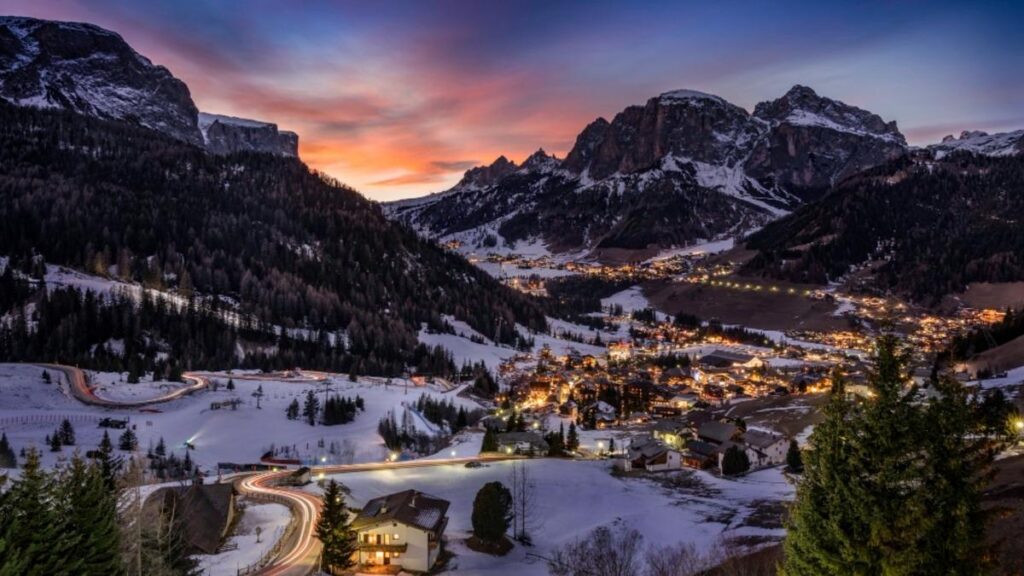
Life feels fuller when we know the right moment to pause, explore, and let nature speak to us. That’s why timing your travels matters just as much as the destination itself. When it comes to the Himalayas, especially Kullu Manali, the question isn’t whether to go, but when to go. Each season tells a different story, with snowy peaks, blooming valleys, or rushing rivers. Choosing the right window can completely transform your experience. For Indian travellers, Kullu Manali has long been that perfect escape from routine, but the best time to visit Kullu Manali depends on what you seek: serenity, snowfall, or adventure. Let’s uncover how timing makes all the difference in this mountain paradise. Why Timing Matters in Kullu Manali The beauty of Kullu Manali shines in how the landscape transforms every few months. At around 2,000 meters above sea level, the region welcomes crisp summers, refreshing monsoons, and postcard-like winters. The same road that takes you through apple orchards in May can lead you into white carpets of snow by January. This is why travelers often ask about the best time to visit Kullu Manali, because timing shapes the kind of holiday you’ll have. If your heart is set on rafting in gushing rivers, summer is your season. If you dream of sipping chai by the window while snow falls outside, winter is your time. And if you enjoy peaceful walks with clear skies and blooming valleys, autumn may be your answer. Every season holds its charm, and by knowing when to go, you can unlock the version of Kullu Manali that resonates with your travel spirit. Best Time to Visit Kullu Manali for Weather If you’re planning a relaxed holiday, think sightseeing, gentle strolls, café hopping, and exploring local culture, the best time to visit Kullu Manali for pleasant weather is during summer and early autumn. From March to June, temperatures stay between 10°C and 25°C, making it comfortable for families, honeymooners, and first-time travelers. The valleys bloom, rivers sparkle in the sun, and the markets in Old Manali stay lively with travellers from across India. You’ll find outdoor cafés filled with chatter, children enjoying pony rides, and locals welcoming you with Himachali warmth. Come September and October, the monsoon showers leave behind crystal-clear skies, lush valleys, and cooler evenings. This is the time trekkers admire, as the visibility of snow peaks is at its finest. Photographers also love this season, with golden sunlight falling across pine forests and meadows. If you’re someone who enjoys a calm, balanced climate, this window could easily be your answer to the best time to visit Kullu Manali for scenic beauty and peace. Best Time to Visit Kullu Manali for Snow For many Indian travellers, mountains mean one thing: snow. If watching flakes fall outside your hotel balcony or building a snowman with friends excites you, then winter is the best time to visit Kullu Manali. From December to February, the region transforms into a white wonderland, with temperatures between -1°C and 10°C. Solang Valley welcomes skiing, snowboarding, and tube rides, while Gulaba offers snowy adventures when Rohtang Pass remains closed. The charm of winter is unmatched, with pine forests dressed in white, hot Maggi at roadside stalls, and the cozy comfort of Himachali hospitality. Travellers should carry woollen layers, gloves, and snow boots, since conditions can be chilly. Road travel may take longer due to snow, yet the reward is waking up to frozen landscapes that look like paintings. For those chasing the magic of snowfall, the best time to visit Kullu Manali is December to February. Best Time to Visit Kullu Manali for Adventure If your idea of a holiday is filled with thrill, then adventure should guide your choice of the best time to visit Kullu Manali. Summers, from March to June, bring blue skies and rushing rivers, perfect for paragliding in Solang Valley, rafting on the Beas, and trekking routes like Hampta Pass. Camping under the stars by a riverside is another favorite, with cool breezes and bonfire nights adding to the charm. Winter offers a different adventure: skiing down snowy slopes, snowboarding, or taking part in snow treks. Local instructors in Solang Valley and Sethan ensure even beginners enjoy the experience. The monsoon months of July and August are when the valleys glow in green and waterfalls appear in full strength. This is a time when many nature lovers admire it for its vibrant charm. Adventure also includes cultural celebrations. October brings the world-famous Kullu Dussehra, celebrated with grand processions, while January offers the Winter Carnival in Manali with folk dances and local cuisine. For thrill seekers and culture lovers alike, there is always the best time to visit Kullu Manali that suits your definition of adventure. Must Read: Top 10 Himachal Pradesh Tourist Spots You Must Visit Month-by-Month Guide Choosing the best time to visit Kullu Manali often comes down to knowing what each month offers. Here’s a simple table to help you understand the seasons: Months Season Highlights Average Temperature Activities March–June Summer Pleasant weather, blooming apple orchards 10°C–25°C Sightseeing, rafting, paragliding, family trips July–August Monsoon Lush greenery, flowing waterfalls, fresh valleys 15°C–20°C Nature walks, enjoying streams, photography September–October Autumn Clear skies, crisp air, golden light 10°C–20°C Trekking, photography, peaceful walks November–February Winter Snow-covered valleys, cozy stays -1°C–10°C Skiing, snowboarding, snow treks Each season has its personality, which is why the best time to visit Kullu Manali depends on whether you seek snow, sun, greenery, or serenity. Travel Tips Based on Season Conclusion At the end of the day, the best time to visit Kullu Manali is not only about weather; it’s about what you want from your journey. If you’re after river rafting and trekking, summer will feel perfect. If snowball fights and warm evenings by a fire call out to you, winter is your gift. If you crave peace, crisp skies, and quiet trails, autumn may be your season. The Himalayas always have a way of creating wonder; they simply offer
Top 10 Himachal Pradesh Tourist Spots You Must Visit
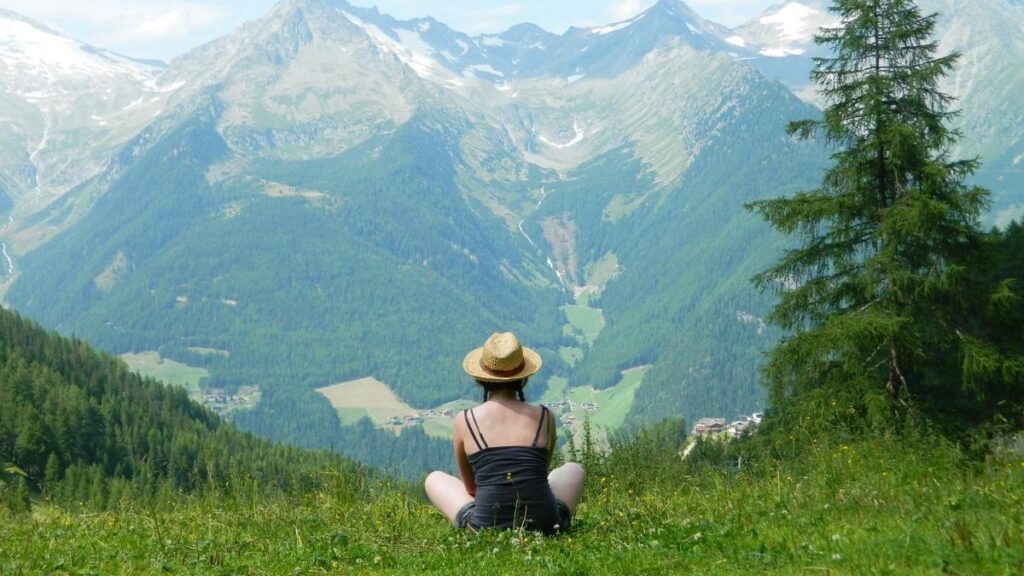
They say journeys are about discovering new parts of yourself along the way. When it comes to landscapes that inspire wonder and reflection, Himachal Pradesh offers an experience filled with charm. Situated in the lap of the Himalayas, this northern state has become a favorite escape for families enjoying summer breaks and backpackers exploring hidden trails. Known for snow-clad peaks, vibrant culture, and spiritual calm, every Himachal Pradesh tourist spot carries a unique story waiting to be lived. Sipping chai in the mountains and walking through pine-filled valleys create moments that stay with you, and this guide to the top 10 Himachal Pradesh tourist spots opens the door to an unforgettable adventure. Why Himachal Pradesh Captivates Travelers Himachal Pradesh has a timeless charm that speaks to travelers in many ways. From the snow-kissed Himalayan peaks to valleys dotted with apple orchards and quiet monasteries, the state offers something to everyone. The air feels fresh, the people greet you with warmth, and the local traditions make you feel part of something larger. As one of India’s most loved destinations, every Himachal Pradesh tourist spot reflects a different mood—be it adventure, peace, culture, or spirituality. When you step into Himachal, you don’t just visit a place; you experience a lifestyle rooted in simplicity and nature. Top 10 Himachal Pradesh Tourist Spots 1. Shimla: Queenly Heritage and Easy Wandering Shimla, often called the Queen of Hills, has retained its old-world grace while embracing modern life. Once the summer capital during British times, it still carries colonial-era buildings, charming churches, and winding streets filled with life. The Mall Road is the heart of the city, where travelers shop, sip chai, and enjoy the lively atmosphere. Another highlight is the Kalka–Shimla narrow-gauge railway, now a UNESCO World Heritage Site, offering scenic views through pine forests and mountain curves. Shimla remains a Himachal Pradesh tourist spot that blends history, leisure, and natural beauty effortlessly. 2. Manali: Adventure Base and Peaceful Corners Manali has grown into one of the most popular Himachal Pradesh tourist spots thanks to its mix of adventure and calm corners. Nestled in the Kullu Valley, it provides easy access to the Solang Valley, where paragliding, skiing, and zorbing attract thrill-seekers. For those seeking quiet moments, the Hidimba Temple, surrounded by cedar trees, provides a spiritual pause. The Beas River flows steadily, offering riverside walks and rafting opportunities. With snow in winter and flower-filled meadows in summer, Manali keeps visitors returning across the seasons. 3. Dharamshala: Spiritual Rhythm and Tibetan Culture Dharamshala sits on the slopes of the Kangra Valley and carries deep spiritual significance. Known worldwide as the residence of the Dalai Lama, it has become a hub for learning Tibetan traditions and Buddhist practices. The monasteries here welcome travelers with prayer wheels, chants, and peaceful courtyards. Cricket lovers also find a surprise in the Dharamshala Cricket Stadium, one of the most scenic grounds in the world. This Himachal Pradesh tourist spot balances cultural richness with moments of reflection that stay long after you leave. 4. McLeod Ganj: Cafés, Walking Paths, and Devotional Life A short ride uphill from Dharamshala brings you to McLeod Ganj, often called Little Lhasa. The streets here are lined with colorful cafés, Tibetan shops, and monasteries where daily life moves at its own calm rhythm. The Namgyal Monastery stands as a center of learning and spirituality, while the Bhagsunag Waterfall offers a refreshing walk for those seeking nature. Backpackers love this Himachal Pradesh tourist spot for its combination of simple food, mountain trails, and conversations with fellow travelers from across the world. 5. Kasol and Parvati Valley: River Rhythm and Trekking Access Kasol, set on the banks of the Parvati River, is often described as a hippie paradise. Its relaxed atmosphere, riverside cafés, and mountain views make it a favorite for younger travelers and trekkers. The Parvati Valley opens up to famous treks such as Kheerganga, where hot springs await at the top, and villages like Tosh, known for their wooden homes and open skies. A Himachal Pradesh tourist spot like Kasol invites visitors to slow down, listen to the river, and explore trails that connect village life with Himalayan landscapes. 6. Kullu: River Events and Apple Orchards Kullu Valley, also called the Valley of Gods, is blessed with fertile land, temples, and festivals that showcase mountain traditions. Apple orchards stretch across the valley, offering fresh produce during harvest months. The Beas River provides opportunities for rafting, attracting those who love water sports. The annual Dussehra festival in Kullu has earned global attention for its vibrant processions and cultural significance. This Himachal Pradesh tourist spot lets you immerse yourself in both nature and heritage. 7. Kasauli: A Calm Colonial-Era Stop Kasauli, a small hill station, exudes a sense of calm that feels timeless. Its winding lanes, deodar trees, and colonial churches create an atmosphere of peace. The sunset point in Kasauli is famous for its wide horizon views, while the Gilbert Trail offers a walk filled with bird calls and fresh air. A Himachal Pradesh tourist spot like Kasauli appeals to travelers who wish to enjoy heritage and silence away from crowds. 8. Spiti Valley: High Plains and Quiet Monasteries Spiti Valley stands out as a high-altitude desert where landscapes are stark and awe-inspiring. Home to ancient monasteries such as Key Monastery and Dhankar Monastery, it provides an experience steeped in history and devotion. The rugged terrain, turquoise rivers, and starry skies make it one of the most dramatic Himachal Pradesh tourist spots. Villages like Kibber and Langza reveal simple lifestyles against a backdrop of towering peaks, giving travelers lessons in resilience and harmony with nature. Must Read: Best Time to Visit Spiti Valley: A Month-by-Month Travel Guide 9. Dalhousie and Khajjiar: Old-World Charm and Meadows Dalhousie carries a quiet colonial charm with its churches, markets, and viewpoints. Just a short drive away lies Khajjiar, often called the “Mini Switzerland of India” for its wide meadows and forests. Together, they form a Himachal Pradesh tourist spot that
Why Dharamshala, Himachal Pradesh, Should Be on Your Bucket List
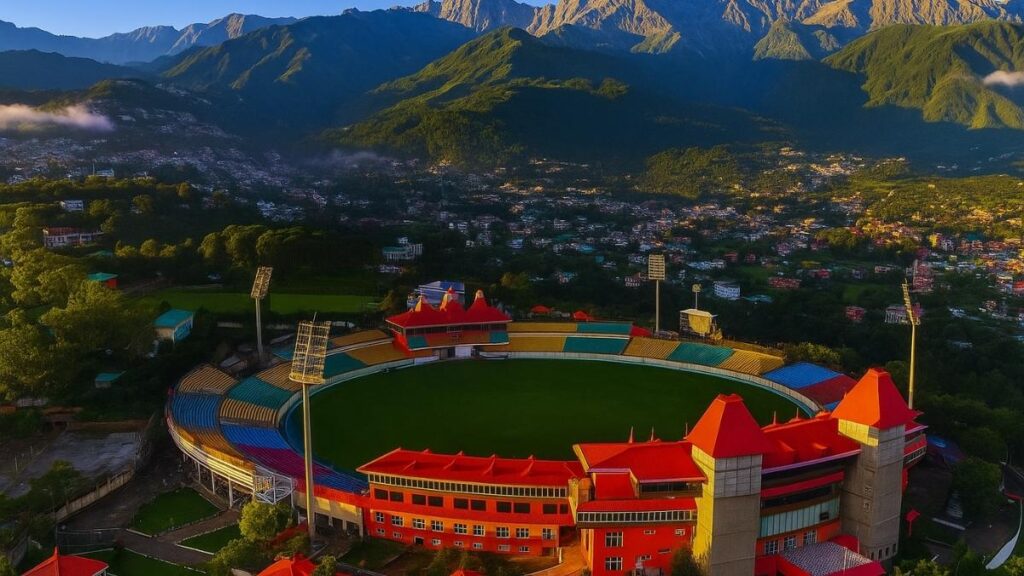
Tucked away in the folds of the Dhauladhar mountains, Dharamshala in Himachal Pradesh feels like that place you didn’t know you were looking for until you got there. The air smells of pine and fresh chai, the streets hum with Tibetan chants, and every turn shows you a view that makes you pause without even realizing it. There’s tea brewing in cozy cafés, monks walking past in deep maroon robes, and trails that seem to whisper, “Come, let’s see what’s ahead.” It’s about how this place makes you feel while you’re in it. Dharamshala doesn’t just invite you to visit; it makes you want to stay a little longer. Where and What Makes It Unique Quick Snapshot Dharamshala, Himachal Pradesh, suits a wide variety of travellers, from solo walkers and families to culture-minded visitors. Expect short hikes, accessible cultural sites, and friendly guesthouses. Because distances between attractions are small, it is easy to build a relaxed itinerary that blends outdoor time with learning opportunities, local meals, and quiet moments to read, sketch, or simply watch the weather move across the mountains. Where and What Makes It Unique Located in the Kangra district, Dharamshala, Himachal Pradesh, sits above a patchwork of valleys and pine forests, offering expansive views over the Himalayan foothills. The town separates into lower market areas and the calmer neighbourhoods above, where cultural life flows around monasteries, cafes, and community centres. A blend of Tibetan presence and local Himachali traditions shapes public life here, creating streets where prayer flags and local shops share the same light. Where to Stay Accommodation in and around Dharamshala, Himachal Pradesh, ranges from family-run guesthouses to small eco-lodges and mid-range hotels. Many places offer sensible common areas for meeting other travellers, tea in the mornings, and help arranging local guides. Booking a locally owned stay supports neighborhood incomes and often leads to better tips about food, routes, and cultural etiquette than a larger chain would provide. Spiritual Touchpoints & Cultural Essence At the cultural core of Dharamshala, Himachal Pradesh, lies a cluster of spiritual sites that invite visitors to observe or participate with respect. The Tsuglagkhang Complex includes the residence of the Dalai Lama, nearby monasteries, and a museum that explains the Tibetan path of exile. Smaller gompas and community shrines across Dharamshala, Himachal Pradesh, host quiet rituals, classes, and public festivals that give shape to the town’s daily rhythm. Walking these lanes offers a practical way to learn about Tibetan arts, prayer practices, and the contemporary efforts to sustain a cultural identity in a new landscape. Cultural Experiences to Try Make room in your schedule for attending a chanting session, a short meditation class, or a hands-on craft workshop in Dharamshala, Himachal Pradesh. Small community centres often run drop-in sessions where visitors can learn basic language phrases, try traditional stitches, or watch artisans at work. These interactions create clear memories and support cultural continuity through direct exchange. Nature’s Grandeur & Outdoor Pursuits Beyond cultural sites, the landscape around the town offers short walks and multi-day treks suited to varied abilities. The Triund ridge, visible from many vantage points above Dharamshala, Himachal Pradesh, is a popular trek that rewards hikers with broad sky views and accessible campsites. Further out, alpine lakes and high passes open quiet, less-travelled paths where spring flowers and crisp air make each step memorable. For anyone who values readable trails and dramatic scenery, Dharamshala, Himachal Pradesh, is a practical starting point for walking into the Dhauladhar range. Trekking Tips & Safety When heading out on day walks or longer treks from Dharamshala, Himachal Pradesh, take basic gear: sturdy shoes, a rain layer, sun protection, and a simple first-aid kit. Local guides provide up-to-date route conditions and help pace groups on steeper sections. Carrying water, snacks, and a map keeps walks comfortable; leave a copy of your route plan with your guesthouse for added safety. Heritage, History & Hidden Gems The town holds layers of history: a colonial past that left churches and bungalows, and a more recent chapter marked by the Tibetan community’s arrival. Sites such as St. John in the Wilderness and local heritage shops create a textured townscape in which small museums and archives reveal curious stories about regional life. A short drive from Dharamshala, Himachal Pradesh, brings quieter temples and hilltop viewpoints where local guides share tales of place, seasonal customs, and the people who made this region home. Heritage Walks & Small Museums Several small museums and heritage walks near Dharamshala, Himachal Pradesh, collect stories about local life, colonial history, and the Tibetan exile experience. Spending an afternoon with a guide or stopping in a local archive helps place visual sights into a richer human story, and supports preservation efforts that might otherwise be overlooked by casual visitors. Getting There: Practical Details Reaching Dharamshala, Himachal Pradesh, is straightforward by a mix of air, rail, and road connections. The nearest airport serves short regional flights and links to larger hubs, while several railheads connect to onward road travel. Regular buses and private taxis run from nearby cities, and local services make it simple to move between market streets, monastery areas, and trailheads. For many visitors, planning transport around daylight hours and checking seasonal road updates ensures an easier arrival and a more relaxed first day. Sample Weekend Itinerary For a clear first visit to Dharamshala, Himachal Pradesh, consider a two-day plan: day one for settling in, visiting nearby monasteries, and sampling local food; day two for a half-day trek and a market visit. This simple structure keeps travel stress low while allowing enough time for serendipity and local suggestions to shape your experience. When to Visit & Travel Tips Seasons shape what you see and how you travel. Spring and early summer bring clear skies, blooming rhododendrons, and mild temperatures that make outdoor wandering pleasant. Monsoon months bring heavy rain along some routes, so it helps to plan buffer days and stay informed about trail conditions. Winter opens a quieter window of snow-swept scenes and
Beyond the Tourist Trails: Hidden Places in Himachal You Must Explore
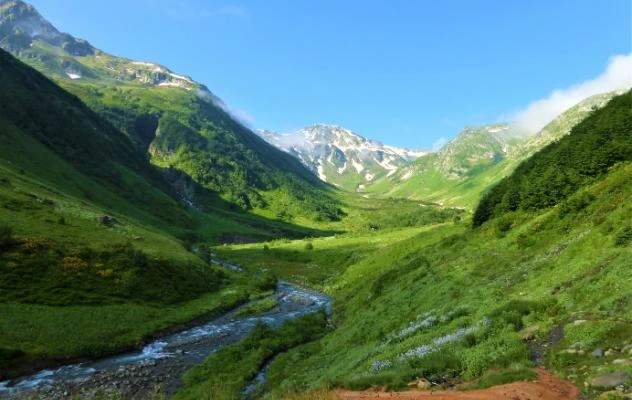
Himachal Pradesh is often celebrated for its scenic landscapes and famous hill stations, but there’s more to this Himalayan haven than meets the eye. Beyond the popular tourist routes lies a world of untouched beauty, where vibrant cultures, quiet villages, and serene nature offer a different kind of escape. Imagine winding through narrow mountain trails, discovering ancient temples, and telling stories with locals who have lived in harmony with these peaks for generations. In this blog post, we’ll guide you through some of the hidden places in Himachal that may not make it to the typical tourist brochure but are brimming with stories waiting to be explored. Ready to uncover the mysteries that lie beyond the usual paths? Let’s dive in Why Explore Hidden Places in Himachal? Tirthan Valley If you enjoy a peaceful setting and a world rich in history, you should definitely visit Tirthan Valley. There you will find the Great Himalayan National Park (GHNP), a UNESCO World Heritage Site. It is home to diverse flora and fauna, including rare species like the Himalayan tahr and western tragopan. Trekking and bird-watching are popular activities here. The Tirthan River also runs through the valley, and the water is crystal clear. Visitors often engage in fishing, with the river being a popular spot for trout fishing. There are relatively fewer tourists, making it a perfect destination for those wanting a quieter experience. The rustic villages and the scenic beauty of the valley make it a haven for nature lovers and adventure seekers. Spiti Valley Spiti is a high-altitude desert with dramatic landscapes, including rugged mountains, barren terrain, and ancient monasteries. The landscape appears stark and unforgiving, making it one of the most visually striking valleys in Himachal. Spiti is home to some of the oldest Buddhist monasteries in India, such as the Tabo Monastery and Key Monastery. These places offer spiritual solace and opportunities to learn about the region’s Buddhist culture. During December, the valley turns into a snow-covered paradise, with freezing temperatures and snow-covered villages. The monasteries and villages offer a peaceful atmosphere perfect for reflection and quiet exploration. Jibhi Jibhi itself lies on a popular route (the Jibhi–Jalori Pass stretch), but it features as the trailhead for a more secluded area. From here, you can access an offbeat region of the Mandi district. Roads beyond Jibhi toward Bahu, Gada Gushaini, and Chhatri are as dangerous. This very lack of infrastructure keeps the region pristine. The area is noted for showing the culture of the Seraj region in its rawest form, with ancient stone temples scattered in the valleys. While Jibhi is on the tourist map, visitors can experience dense forests, rugged mountain roads, and centuries-old temples in a virtually untouched setting. Narkanda Narkanda is an enchanting destination in the Shimla district, known for its apple orchards and snow-covered slopes in winter. Though it remains relatively unknown compared to its larger neighbors, Narkanda’s charm lies in its quiet atmosphere, untouched landscapes, and opportunities for snow sports like skiing and snowboarding. The region’s natural beauty, coupled with the peaceful environment, makes it an excellent spot for those searching for offbeat winter destinations in India. Narkanda is particularly appealing for adventure enthusiasts and nature lovers who wish to escape the crowds and enjoy the serenity of snow places in Himachal. Sainj Valley It is a world where ancient wooden temples peek through fragrant pine forests, and terraced fields stretch as far as the eye can see. Sainj Valley, tucked inside the Great Himalayan National Park, greets you with clear mountain air and gentle river songs. Tiny villages showcase traditional Himachali homes, each one glowing with wooden carvings and bright prayer flags. A walk along hidden trails leads to Shangarh, where a serene meadow surrounds a tiny stone shrine. Evenings here feel like a warm conversation with nature, and mornings begin with the scent of pine and the promise of simple, peaceful discovery. Pabbar Valley (Dodra–Kwar and Rohru) Picture a winding road that climbs past apple orchards dusted in golden sunlight, then spills into villages framed by towering deodar trees. Rohru invites wanderers to pause by its ancient Hatkoti Temple, where carvings celebrate local legends. A daring drive over Chanshal Pass brings you to Dodra and Kwar, two hamlets cradled by rugged peaks. Here, wooden homes and slate-roofed barns stand beside rushing streams. Every bend in the path reveals another snapshot of rural life—farmers tending fields, children waving from stone steps, and trails that lead onward into a landscape that hums with quiet charm. Kugti–Garh Circuit An alpine meadow surrounded by snowy peaks, where prayer flags flutter on every ridge. That’s the Kugti-Garh circuit, centered on Bharmour’s ancient temples and rolling hills. Kugti village welcomes you with a thousand-year-old shrine and the promise of a trek toward the high Kugti Pass. Each step reveals rugged beauty, like wildflowers brushing the boots, mountain goats grazing on rocky slopes, and distant echoes of local folk songs. Evenings bring shared stories around crackling fires and freshly prepared local dishes. This circuit feels like an invitation to live each moment fully, immersed in mountain life and timeless traditions. Conclusion: Hidden Places in Himachal You Must Explore Himachal Pradesh is a land of diverse landscapes, rich culture, and hidden treasures. From the remote valleys of Spiti to the serene beauty of Tirthan, these hidden places in Himachal offer a chance to experience the state’s true essence away from the typical tourist hotspots. Whether you are seeking a peaceful retreat, an adventurous trek, or a snowy escape, Himachal Pradesh’s unexplored places provide an ideal destination for every type of traveler. Venturing beyond the well-trodden paths not only brings you closer to the untouched beauty of Himachal but also provides an opportunity to immerse yourself in the local culture, history, and serenity. So pack your bags and set out to discover the hidden gems of Himachal Pradesh, where nature’s magic awaits, far away from the crowds. Also: Best Places to Visit During Monsoon in India Also: Top 10
Holy Yulla Kanda Trek – World’s Highest Krishna Temple | 3N-4D & 4N-5D Package from Kalka
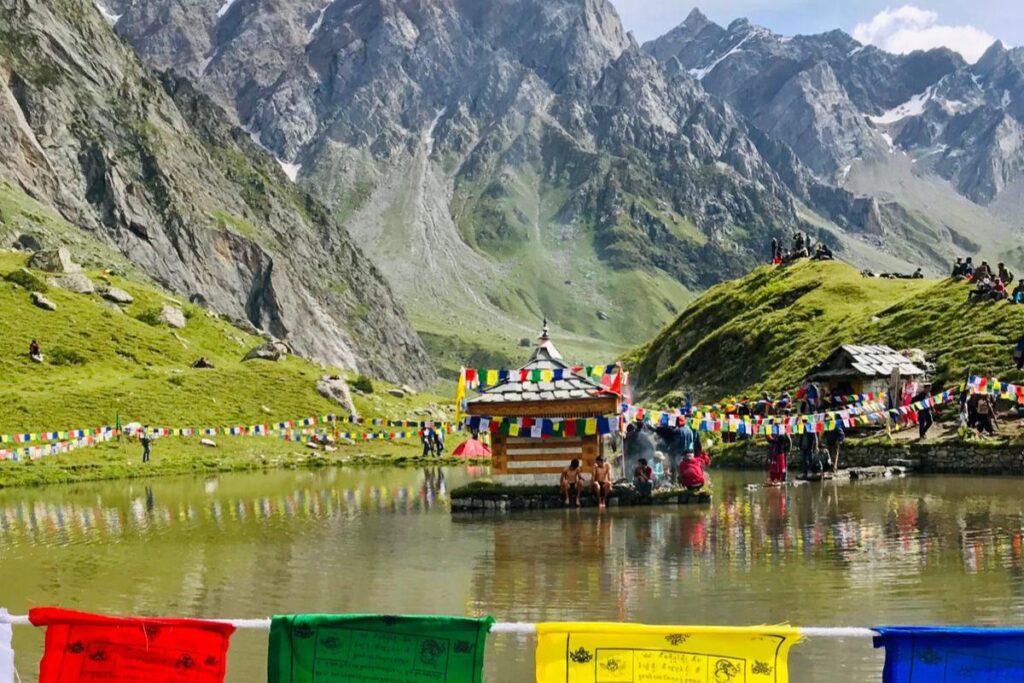
About Holy Yulla Kanda Trek The Holy Yulla Kanda Trek is a unique spiritual and adventure experience located in the upper Himalayan range of Rora Valley, Kinnaur District, Himachal Pradesh. At an elevation of 12,700 feet, it is the only known Krishna temple at such a high altitude. According to Hindu mythology, the Pandavas built this temple during their vanvas (exile) in the middle of a lake.The Holy Yulla Kanda Trek in Himachal Pradesh’s Kinnaur District offers a distinctive spiritual and adventurous journey within the upper Himalayan Rora Valley. Situated at 12,700 feet, the trek leads to the world’s only known Krishna temple at such a high elevation. Hindu mythology states that the Pandavas constructed this temple by a lake during their vanvas (exile). The region is famous for its: Tour Itinerary – 3N/4D Yulla Kanda Trek (Kalka to Kalka) Day 1: Arrival at Kalka – Transfer to Yulla Village Day 2: Trek Begins – 8 KM Day 3: Yulla Kanda Summit – 12,700 ft Day 4: Return Journey to Kalka Tour Itinerary – 4N/5D Yulla Kanda Trek (Kalka to Kalka) Day 1: Arrival at Kalka – Transfer to Shimla Day 2: Shimla to Yulla Village Day 3: Trek to Base Camp (8 KM) Day 4: Yulla Kanda Summit Trek (4 KM) Day 5: Return to Kalka Stay & Meals Menu is subject to change based on availability Package Cost Trekking Essentials – What to Pack Please ensure you carry the following: Exclusions Final Thoughts Whether you are a spiritual seeker or a nature lover, the Holy Yulla Kanda Trek offers a once-in-a-lifetime opportunity to experience the divine energy of Lord Krishna nestled in the high Himalayas. From serene trails and star-lit skies to cultural insights and natural beauty – this trek is your gateway to transcendence.
Best Time to Visit Spiti Valley: A Month-by-Month Travel Guide
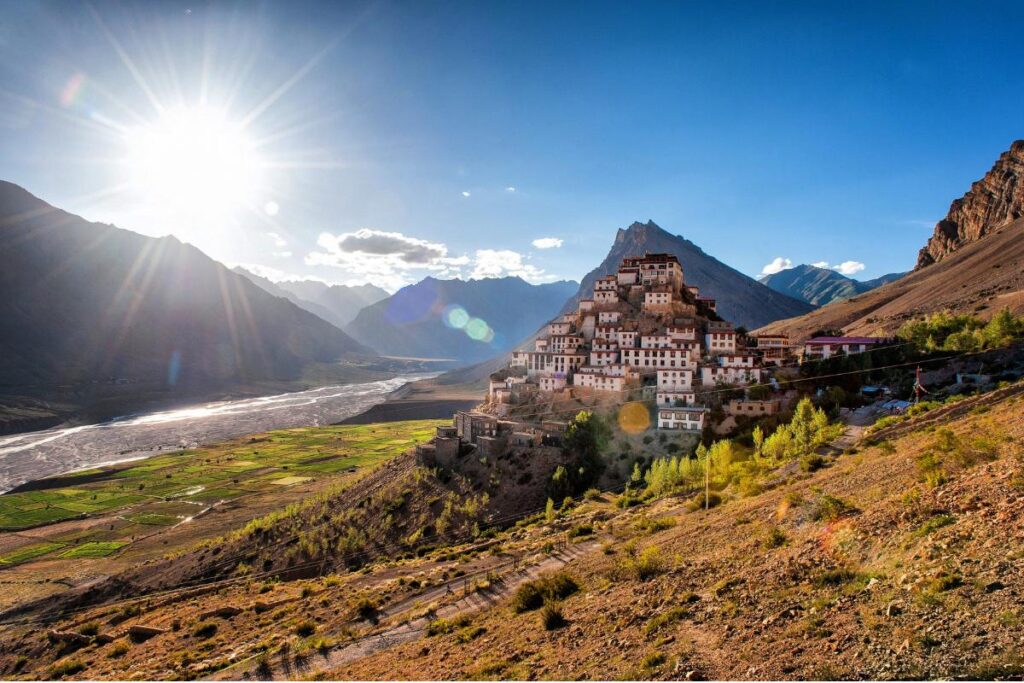
Have you ever felt like standing on the edge of the world? That’s exactly what Spiti Valley in Himachal Pradesh offers. Nestled in the lap of the Himalayas, Spiti Valley is a high-altitude cold desert that charms every traveler with its rugged terrain, ancient monasteries, starry skies, and silence that soothes the soul. But here’s the big question:What is the best time to visit Spiti Valley? The beauty of Spiti lies in its changing face throughout the year. Each month, from snow-covered winters to lush green summers, offers a unique experience. This month-by-month Spiti Valley travel guide will help you decide the Best Time to visit Spiti Valley. January – A Snowy Wonderland Temperature: -20°C to -5°CHighlights: Thick snow, frozen rivers, fairytale monasteries Spiti in January is for hardcore winter lovers and adventure seekers. Snow covers everything in sight. Only the Shimla route remains open, while the Manali route is shut. Stay in traditional homestays in Kaza and witness Spiti’s raw, frozen beauty. ✅ Tip: Carry heavy woollens, power banks, and consult locals for route updates. February – Snow Leopard Spotting Season Temperature: -18°C to -2°CHighlights: Snow-covered Kaza, wildlife sightings, untouched landscapes Still frozen, February in Spiti Valley offers a rare chance to spot the elusive snow leopard. With few tourists, this is a great month for solitude and wildlife photography. ✅ Tip: Consider traveling with experienced guides or wildlife experts. March – Winter’s Gentle Goodbye Temperature: -10°C to 5°CHighlights: Blue skies, patchy snow, dreamlike views As the valley slowly thaws, Spiti’s landscapes become a canvas of white and blue. Roads start improving, making it a good month for photographers and backpackers ready to brave a few hardships. April – The Awakening Begins Temperature: -5°C to 10°CHighlights: Apricot blossoms, village life, re-opening of guesthouses Spring slowly enters Spiti in April. Locals begin farming, kids return outdoors, and the valley regains life. While Manali route is still closed, the Shimla-Kaza road stays accessible. ✅ Stay Recommendation: Try Maitreya Mud House for an eco-luxury experience amidst blooming apricot trees. May – A Mix of Snow and Spring Temperature: 0°C to 15°CHighlights: Green valleys, snow at high altitudes, perfect road trip weather May is one of the best time to visit Spiti Valley. You get the best of both worlds—melting snow and blooming landscapes. It’s an ideal month for trekkers and first-time visitors. June – The Spiti Circuit Opens Up Temperature: 5°C to 20°CHighlights: Clear roads, full circuit via Manali, vibrant weather June is when Spiti Valley tourism peaks. The Manali-Kaza route opens, allowing you to complete the full Spiti circuit. Must-visit spots like Chandratal Lake, Hikkim, Komic, and Langza are fully accessible. ✅ Pro Tip: Book accommodations early—this is peak season! July – Green and Gorgeous Temperature: 8°C to 22°CHighlights: Greenery, bike trips, trekking, festivals July adds a lush green vibe to the valley. Snow vanishes, rivers run free, and festivals begin. A great month for photography, trekking, and exploring culture. ✅ Suggested Trek: The Dhankar Lake trek is highly recommended. August – Cultural Delight & Clear Weather Temperature: 10°C to 22°CHighlights: Festivals, homestays, traditional food August is all about connecting with Spiti’s culture. The weather stays pleasant, skies are clear, and local festivals offer deep insight into Buddhist traditions. ✅ Explore: Gue Mummy village, Tabo Monastery, and local kitchens. September – Golden Autumn Calm Temperature: 5°C to 18°CHighlights: Fewer tourists, autumn colors, ideal photography conditions Spiti in September turns golden as autumn sets in. It’s a peaceful month to visit, especially for couples, photographers, and slow travelers. Roads remain good, and the crowds thin out. ✅ Don’t Miss: Sunset at Key Monastery. It’s surreal. October – Rustic Charm Returns Temperature: -2°C to 15°CHighlights: Pre-winter calm, fewer tourists, rustic scenery October marks Spiti’s retreat into silence. With trees shedding and a chill in the air, the valley feels timeless. This is perfect for artists, solo travelers, and peaceful explorers. ✅ Pack Warm: Thermals, gloves, and layered clothing are essential. November – When Winter Knocks Temperature: -10°C to 5°CHighlights: Snow return, quiet roads, limited access November is challenging yet rewarding. Roads start freezing, but the Shimla route remains open. Spiti’s raw winter energy is for those ready to brave the cold. ✅ Good to Know: Monasteries may close doors to tourists this month. December – Himalayan Christmas & Silent Nights Temperature: -15°C to -2°CHighlights: Snowfall, minimal crowds, starry skies December brings a white Christmas in Spiti Valley. Snow begins to fall. Only essential services operate, but the peace and magic are unmatched. It’s ideal for those seeking spiritual or snowy solitude. ✅ Cozy Stay: Relax at Maitreya Regency for comfort and warmth. Conclusion: When Should You Visit Spiti Valley? There is no best time to visit Spiti Valley —your perfect month depends on what you seek. Whenever you go, make sure your stay complements the charm of Spiti. Choose Eco Hospitality—home to Maitreya Mud House and Maitreya Regency, designed to connect you with the valley’s heart.
Top 5 Places To Visit In May, June, and July In India: Ideal Getaways For A Refreshing Escape

India, with its diverse climate and breathtaking landscapes, offers some of the best summer destinations to escape the scorching heat. Places to visit in May, June, and July are ideal months for travelers to explore cool hill stations, picturesque valleys, and high-altitude towns that provide a refreshing break from the plains. We have curated a list of the top 5 places to visit during summer in India that promise not only scenic beauty but also adventure, cultural experiences, and complete rejuvenation. 1. Leh-Ladakh – The Land of High Passes Why Visit: Located in the northernmost region of India, Leh-Ladakh is a paradise for adventure seekers and nature lovers. The summer months from May to July open up the rugged mountain trails, serene lakes, and Buddhist monasteries for travel and exploration. Highlights: Temperature Range: 7°C to 21°CPerfect For: Adventure enthusiasts, photographers, spiritual travelers 2. Manali – The Evergreen Mountain Retreat Why Visit: Manali remains one of the most popular destinations in India, especially during May to July, when the lush green valleys, blooming flowers, and cool breeze make it a perfect retreat. Highlights: Temperature Range: 10°C to 25°CPerfect For: Families, honeymooners, backpackers 3. Munnar – Kerala’s Misty Gem Why Visit: Set in God’s Own Country, Munnar in Kerala is a serene escape with rolling tea gardens, cool climate, and abundant wildlife. The monsoon in July enhances its charm, making it a lush green paradise. Highlights: Temperature Range: 15°C to 25°CPerfect For: Nature lovers, honeymoon couples, birdwatchers 4. Spiti Valley – The Deserted Beauty of Himachal Why Visit: Tucked in the trans-Himalayan region, Spiti Valley is one of the best offbeat destinations in India. Accessible only during summer months, Spiti offers untouched natural beauty and spiritual calm. Highlights: Temperature Range: 5°C to 20°CPerfect For: Solo travelers, offbeat explorers, cultural enthusiasts 5. Tawang – North-East’s Hidden Treasure Why Visit: Situated in Arunachal Pradesh, Tawang offers a unique blend of Tibetan culture, alpine beauty, and adventure. This lesser-known gem is a perfect summer escape in India for those seeking peace and panoramic views. Highlights: Temperature Range: 5°C to 22°CPerfect For: Culture seekers, meditators, couples Travel Tips for a Perfect Summer Vacation in India Final Thoughts – Places to visit in May, June, and July Whether you’re seeking adventure in the Himalayas, tranquility in tea gardens, or cultural immersion in the Northeast, India’s summer destinations offer something for everyone. These top 5 places to visit in May, June, and July provide an escape from the heat and a gateway to some of the most mesmerizing experiences the country has to offer. Plan your summer getaway now and let these destinations refresh your soul and senses.
Do You Know About the “Sleeping State” of India? Discover Himachal Pradesh Like Never Before
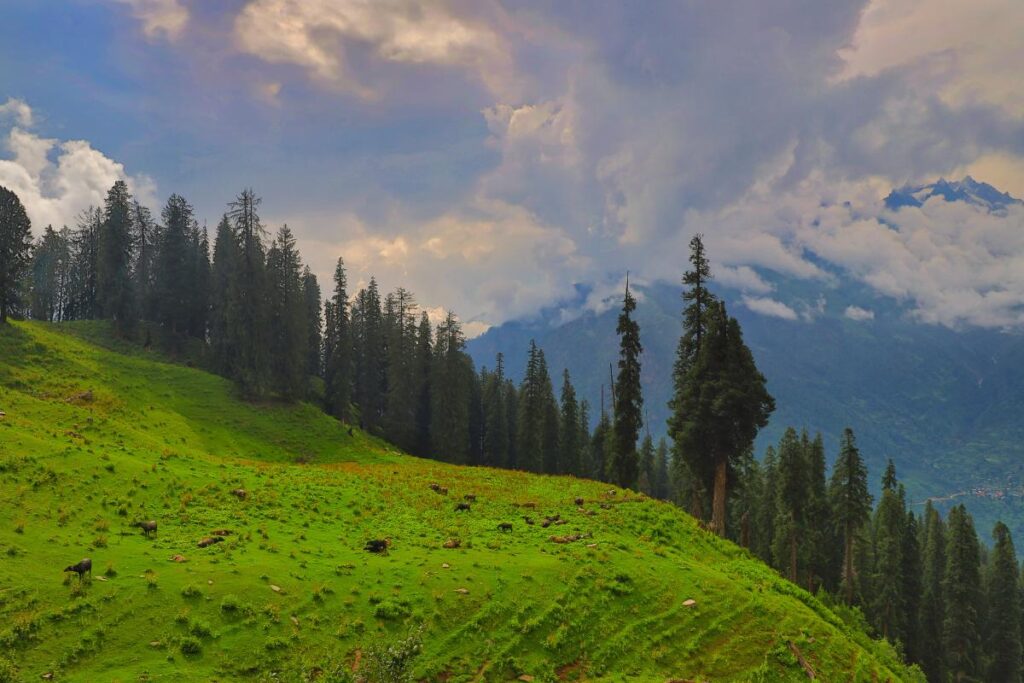
Himachal Pradesh, often referred to as the “Sleeping State” of India, is a tranquil sanctuary nestled in the northwestern Himalayas. Far removed from the chaos of modern cities, this enchanting state is a haven of peace, where nature, culture, and simplicity blend into an experience that soothes the soul. While its nickname reflects serenity, Himachal Pradesh offers far more than just calm—it is a destination where adventure, spirituality, and natural beauty coexist in perfect harmony. Why Himachal Pradesh is Called the “Sleeping State” The phrase “Sleeping State” evokes images of quiet mountain villages, mist-covered valleys, and starry night skies where silence reigns supreme. It is a tribute to the state’s slow-paced lifestyle, where locals live in rhythm with nature and time seems to stand still. In an era of sensory overload, Himachal Pradesh stands out as a place where one can reconnect with themselves and the earth. This nickname doesn’t mean inactivity—it means peace, introspection, and untouched beauty. From the still waters of Tirthan River to the spiritual calm of McLeod Ganj, every corner of Himachal whispers tranquility. Best Time to Visit Himachal Pradesh Himachal Pradesh is a year-round destination, with seasonal variations that offer a different experience every few months: Top 10 Places to Visit in Himachal Pradesh 1. Spiti Valley – The Desert Mountain Paradise Known as Little Tibet, Spiti Valley is remote, high-altitude, and spiritual. With ancient Buddhist monasteries like Key Gompa, barren yet beautiful terrain, and crystal-clear rivers, it’s a dream destination for explorers. Treks to Chandratal Lake or Dhankar Monastery promise solitude and majesty. 2. Tirthan Valley – Himachal’s Hidden Gem Tirthan Valley remains one of the least commercialized places in Himachal. Nestled beside the Tirthan River and the Great Himalayan National Park, this eco-tourism haven is perfect for trout fishing, hiking through pine forests, and spotting endangered species. 3. Dharamshala and McLeod Ganj – The Land of the Dalai Lama Dharamshala, the spiritual capital of Tibetan Buddhism in India, is home to the Dalai Lama and the Namgyal Monastery. McLeod Ganj offers yoga retreats, meditation centers, and delicious Tibetan food. Don’t miss the trek to Triund, offering stunning views of the Dhauladhar range. 4. Kullu Valley – Adventure in Nature’s Lap Kullu is famous for white-water rafting, paragliding, and lush apple orchards. Visit Manikaran for its hot springs and religious significance or take a nature walk along the Beas River for a peaceful escape. 5. Manali – The Jewel of the Mountains One of Himachal’s most famous hill stations, Manali offers everything from snow sports in Solang Valley to café culture in Old Manali. Hidimba Devi Temple, Manu Temple, and Jogini Waterfall are must-visits. Adventure lovers can try skiing, zorbing, and ATV rides in the snow-covered expanses. 6. Shimla – The Queen of Hills Shimla, the state’s capital, is a blend of colonial architecture and natural charm. Take a ride on the UNESCO-listed Kalka–Shimla Toy Train, walk on Mall Road, or enjoy panoramic views from Jakhu Temple. Shimla also serves as the perfect base for day trips to Kufri and Mashobra. 7. Rohtang Pass – A Snowy Wonderland Connecting Manali to Lahaul-Spiti, Rohtang Pass at 13,000 ft is a gateway to high-altitude adventure. From snowmobiling to photography amid the snow-capped peaks, this pass is a must-visit during the summer when it opens. 8. Kasauli – Timeless Colonial Retreat Kasauli offers Victorian-era charm, forested trails, and a quiet retreat away from crowded tourist spots. Christ Church, Gilbert Trail, and Manki Point provide panoramic views of the Himalayan foothills and star-studded night skies. 9. Chamba and Khajjiar – Himachal’s Mini Switzerland Chamba is a heritage town with centuries-old temples, museums, and folk traditions. Nearby Khajjiar, with its sprawling meadows and alpine forests, is fondly known as “Mini Switzerland of India”. Ideal for picnics, nature walks, and horse riding. 10. Great Himalayan National Park – A UNESCO World Heritage Treasure Spread over 1,171 sq. km., this park is a biodiversity hotspot, home to snow leopards, blue sheep, Himalayan brown bears, and over 180 bird species. Eco-tourism, trekking, and wildlife photography are major draws here. This is where untouched Himachal lives and breathes. Unique Experiences in Himachal Pradesh Culture and Spirituality in the “Sleeping State” Himachal Pradesh is rich in Hindu and Buddhist heritage. From the Hadimba Temple in Manali to the Tabo Monastery in Spiti, spiritual seekers will find a deep connection to ancient wisdom. Festivals like Dussehra in Kullu and Losar in Lahaul-Spiti are vibrant celebrations that bring communities together. Eco-Tourism and Sustainability in Himachal Himachal Pradesh is leading the way in eco-tourism and sustainable living. With policies encouraging waste reduction, solar power, and organic farming, many regions like Sainj and Shoja promote green travel. Homestays offer immersive cultural experiences and help preserve local lifestyles. Tips for Responsible Travel in Himachal Pradesh Conclusion: Himachal Pradesh – More Than Just a Destination Himachal Pradesh isn’t merely a place—it’s a soulful journey into the heart of nature. It represents the perfect balance between rest and adventure, silence and celebration. Whether you’re meditating in a monastery, skiing down a snowy slope, or simply sipping chai by a quiet riverside, you’ll find yourself slowly awakening in this “Sleeping State” of India.
Shimla Summer Festival 2025 – Dates, Events, and Travel Guide
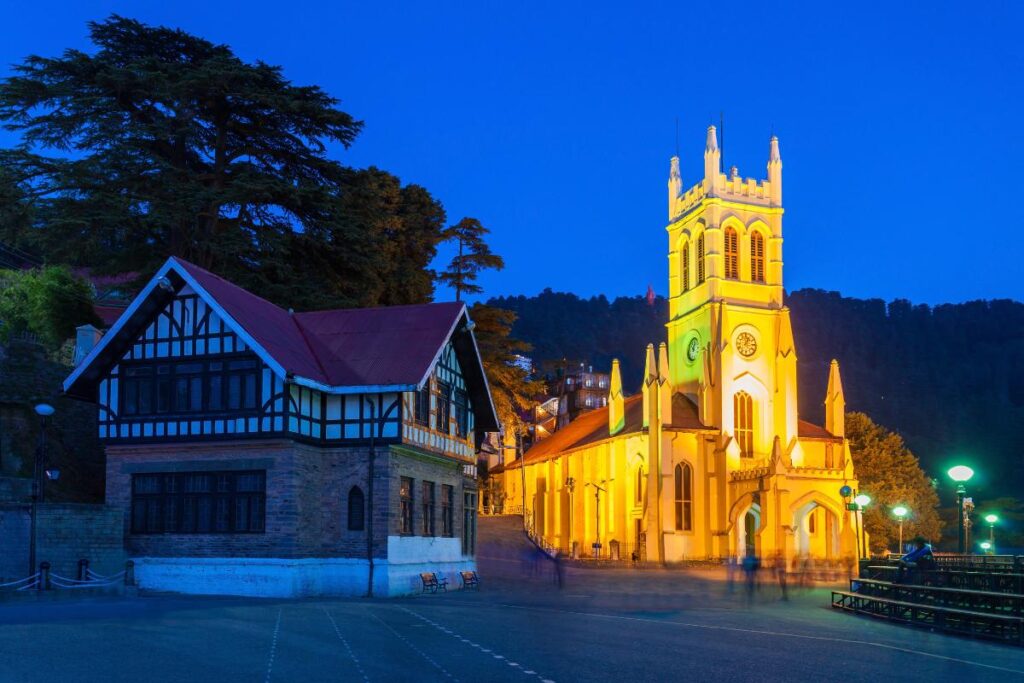
The Shimla Summer Festival 2025 is an eagerly awaited annual celebration that transforms the charming hill station of Shimla into a lively cultural and entertainment hub. This grand event, held in early June 2025 (exact dates yet to be announced), marks the advent of summer with a spectacular showcase of music, dance, sports, handicrafts, and authentic Himachali cuisine. Thousands of tourists and locals gather at The Ridge, Shimla, to witness this magnificent festival, making it one of the most significant summer attractions in Himachal Pradesh. Venue and Entry Details Highlights of the Shimla Summer Festival 2025 1. Cultural Performances & Live Music One of the biggest crowd-pullers of the Shimla Summer Festival is its enchanting lineup of cultural performances and live music concerts. Local and national artists take the stage to perform Himachali folk dances, Bollywood melodies, and contemporary music. Expect electrifying performances from renowned singers and bands, making the evenings truly magical. 2. Grand Flower Show For nature lovers and photography enthusiasts, the Shimla Summer Festival’s Flower Show is a must-visit. The Ridge gets adorned with a stunning display of seasonal blossoms, showcasing rare and exotic flowers cultivated by local horticulturists. The event also encourages gardening enthusiasts to participate in competitions and learn from expert botanists. 3. Marathon and Sporting Events The festival commences with a Half-Marathon, which attracts athletes and fitness enthusiasts from across the country. Apart from the marathon, several sports competitions such as cricket, badminton, tug-of-war, and kabaddi add to the thrill of the festival. These events bring together locals and tourists, fostering a spirit of sportsmanship and unity. 4. Fashion Show & Handicraft Exhibitions A perfect platform for aspiring designers, the fashion show at the festival showcases Himachali-inspired designs blended with contemporary fashion trends. This is also an excellent opportunity for visitors to purchase handcrafted items such as Pahari shawls, wooden artifacts, woolen garments, and traditional jewelry at the handicraft exhibitions. These exhibits offer a glimpse into Himachal’s rich artistic heritage. 5. Food Stalls Serving Authentic Himachali Cuisine Food lovers are in for a treat at the Shimla Summer Festival 2025. Various food stalls serve delicious Himachali delicacies, including: This is a perfect opportunity to taste the flavors of Himachal Pradesh while soaking in the festive atmosphere. Where to Stay in Shimla? If you’re planning to attend the Shimla Summer Festival 2025, booking your stay in advance is highly recommended. Here are two luxurious options that offer a comfortable and scenic retreat: Golden Fern Resort, Shimla Located in the lap of nature, Golden Fern Resort is a premier luxury retreat that offers: Hotel Woodrina, Shimla Surrounded by lush greenery, Hotel Woodrina provides a perfect blend of comfort and nature. The hotel is known for: How to Reach Shimla? Getting to Shimla for the Summer Festival 2025 is convenient, with multiple travel options: By Air By Train By Road Tips for Attending Shimla Summer Festival 2025 Why You Should Attend the Shimla Summer Festival 2025? The Shimla Summer Festival is much more than just an event; it is a celebration of Himachali culture, traditions, and hospitality. Whether you are a music lover, a foodie, a sports enthusiast, or a nature admirer, this festival offers something special for everyone. With live performances, cultural displays, thrilling sports, and authentic local flavors, the festival promises an unforgettable experience. Start planning your Shimla Summer Festival 2025 trip today and make sure to book your stay at Golden Fern Resort or Hotel Woodrina for a luxurious and comfortable visit.
Stunning Places Near Jibhi Hill Station That Are Even More Beautiful Than Shimla and Manali
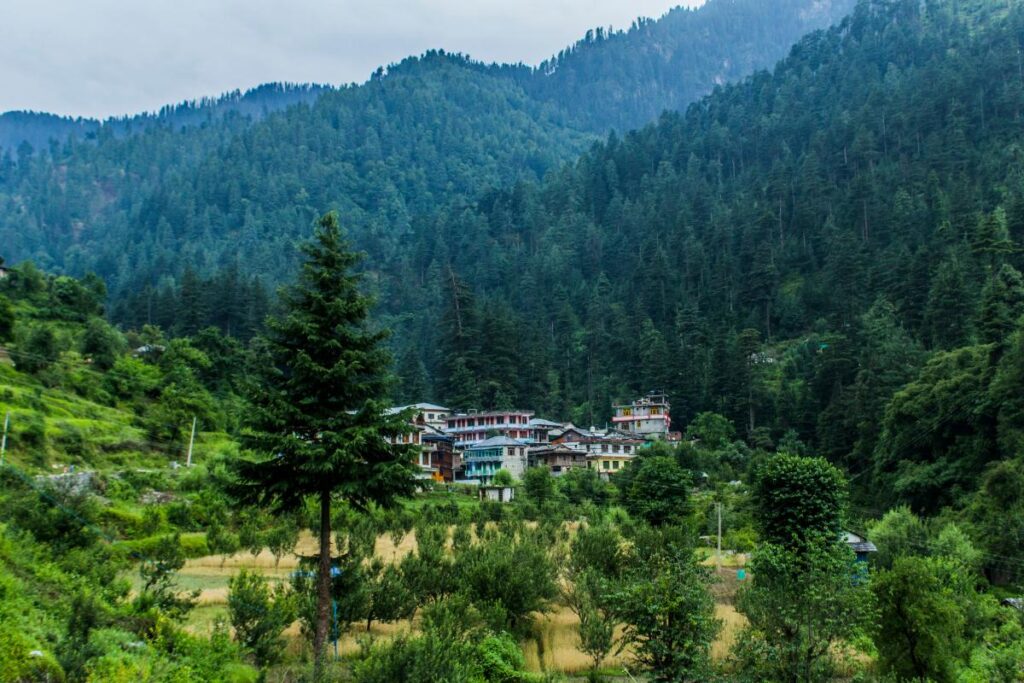
Nestled in the serene landscapes of Himachal Pradesh, Jibhi Hill Station is a hidden paradise offering tranquility and breathtaking natural beauty. While Shimla and Manali are popular tourist destinations, the less-explored gems around Jibhi are far more picturesque and untouched. From high-altitude passes to ancient forts and pristine lakes, these destinations promise an unforgettable experience. These are the best stunning places near Jibhi Hill Station that you must visit. 1. Jalori Pass – A Gateway to Adventure Jalori Pass, standing at an elevation of 10,800 feet, is a high-altitude mountain pass offering breathtaking panoramic views of the Himalayas. Surrounded by thick deodar forests, it serves as a base for several thrilling trekking trails. Adventure enthusiasts can embark on hikes to Serolsar Lake and Raghupur Fort, both promising mesmerizing views and peaceful surroundings. The pass is accessible from April to November, as heavy snowfall makes it inaccessible during winter. On a clear day, visitors can witness the majestic Dhauladhar and Kinnaur ranges in the distance. 2. Serolsar Lake – A Serene High-Altitude Gem Located about 5 km from Jalori Pass, Serolsar Lake is a tranquil water body surrounded by dense oak and pine forests. The lake is famous for its crystal-clear water that never gets dirty, thanks to a unique natural filtration system. Budhi Nagin Temple, dedicated to the goddess of snakes, sits by the lake, adding a spiritual touch to the serene environment. Trekking to Serolsar Lake is a moderate-level hike that takes around 2-3 hours, offering stunning landscapes and rare Himalayan flora. 3. Chehni Kothi – An Architectural Marvel For history and architecture enthusiasts, Chehni Kothi is a must-visit. This ancient Himalayan watchtower, constructed using traditional wood and stone architecture, stands at a height of 45 feet. Originally built as a defensive structure, the tower now serves as an important cultural and historical landmark. Reaching Chehni Kothi requires a short trek from the nearest road, passing through charming Himachali villages. The panoramic views from the top are absolutely worth the effort. 4. Shringa Rishi Temple – A Sacred Retreat Dedicated to Shringa Rishi, the ruling deity of Banjar Valley, this temple is a peaceful and sacred place offering spiritual solace. It is believed that Shringa Rishi played a crucial role in Lord Ram’s birth, adding to the temple’s religious significance. The temple’s intricate wooden carvings and unique Himachali architecture make it a notable site for visitors interested in culture, history, and spirituality. 5. Raghupur Fort – An Overlooked Historical Treasure Raghupur Fort, situated on a hilltop near Jalori Pass, offers stunning 360-degree views of the Himalayas. Though in ruins today, the fort was originally built by the Mandi rulers as a defensive structure against invaders. The trek to Raghupur Fort is an exhilarating experience, passing through lush meadows and dense rhododendron forests. The fort’s scenic surroundings make it an ideal spot for camping and photography. 6. Tirthan Valley – A Paradise for Nature Lovers Tirthan Valley, located near Jibhi Hill Station, is one of the most breathtaking destinations in Himachal Pradesh. The valley is famous for its pristine rivers, waterfalls, and lush green landscapes. Adventure seekers can enjoy angling, trekking, and river rafting. The valley is also home to the Great Himalayan National Park (GHNP), a UNESCO World Heritage Site known for its diverse wildlife and challenging treks. 7. Gushaini – A Tranquil Riverside Escape A quaint village in the Tirthan Valley, Gushaini is perfect for riverside camping and trout fishing. The village’s untouched beauty and serene environment make it a great spot for those seeking peace and solitude. Visitors can indulge in angling in the Tirthan River or explore nearby trails leading to hidden waterfalls and picturesque landscapes. 8. Shoja – A Hidden Gem of Himachal Shoja is a small, charming village known for its lush greenery and breathtaking views of the surrounding peaks. The fog-laden landscapes, wooden houses, and apple orchards add to the rustic beauty of this village. Shoja offers spectacular sunset views, making it a favorite among photographers and nature lovers. The waterfall point, a short trek from Shoja, is another major attraction that visitors must not miss. 9. Chhoie Waterfall – A Refreshing Trekking Destination Chhoie Waterfall, one of the lesser-known waterfalls near Jibhi, requires a short trek through thick deodar and pine forests. The cascading waterfall offers a refreshing retreat, making it an excellent stop for those who enjoy nature walks and adventure. The trek to Chhoie Waterfall takes about 45 minutes, and the cool, misty surroundings make it a perfect getaway from the bustling tourist spots. 10. Great Himalayan National Park – A UNESCO World Heritage Site Spanning over 1,171 sq. km, the Great Himalayan National Park (GHNP) is a biodiversity hotspot that attracts wildlife enthusiasts and trekkers. The park is home to over 375 species of fauna, including Himalayan brown bears, blue sheep, snow leopards, and a variety of rare birds. Some of the best trekking trails inside GHNP include: Exploring GHNP is a once-in-a-lifetime experience for those who wish to immerse themselves in untouched natural beauty. Final Thoughts for Jibhi Hill Station Jibhi Hill Station and its nearby destinations offer a perfect blend of adventure, history, spirituality, and natural beauty. Whether you’re looking for a peaceful retreat or an adrenaline-filled trek, these hidden gems provide an experience far superior to the crowded spots of Shimla and Manali. If you are planning your next Himachal getaway, be sure to explore these breathtaking destinations for an unforgettable journey into the lap of nature.
10 Offbeat Destinations in India You Must Visit Before They Get Crowded
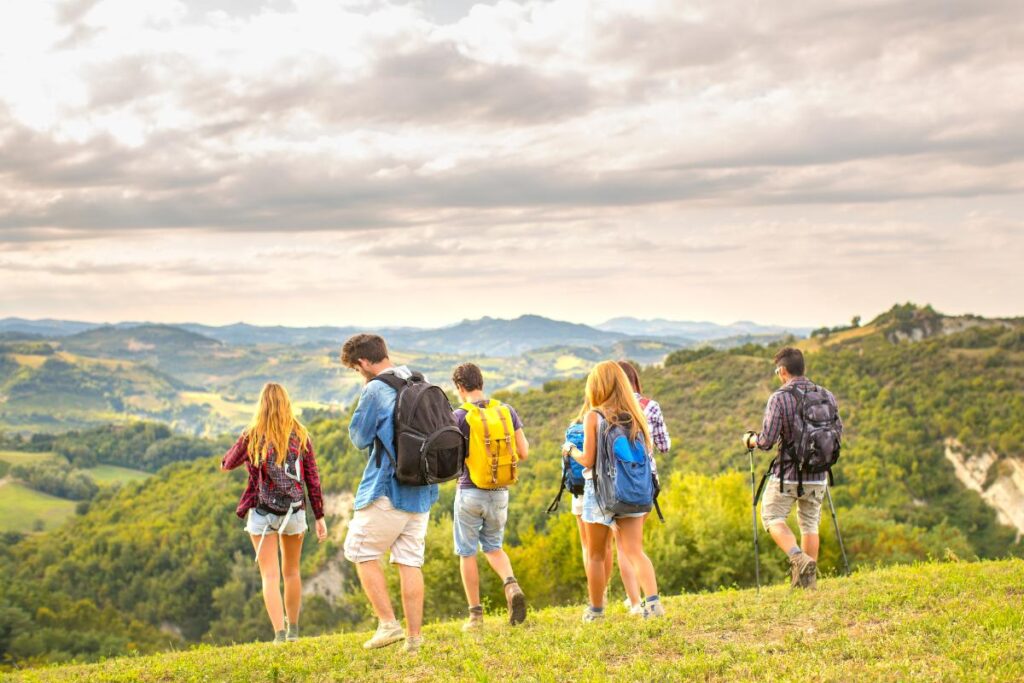
India is a land of incredible diversity, offering travelers not just famous landmarks but also hidden gems waiting to be explored. If you’re a traveler who loves hidden places in India, offbeat travel spots, and less explored places, this list is for you. We’ve uncovered some of the most underrated yet breathtaking Offbeat Destinations in India that are still untouched by mainstream tourism. Visit these places before they become the next big thing! 1. Mawlynnong, Meghalaya – The Cleanest Village in Asia Tucked away in the lush green hills of Meghalaya, Mawlynnong is a picture-perfect village known for its cleanliness and sustainable tourism. Wander through bamboo bridges, explore the living root bridges, and soak in the stunning views from Sky Walk. Experience authentic Khasi hospitality while staying in eco-friendly homestays. 2. Gandikota, Andhra Pradesh – The Grand Canyon of India Often referred to as the Grand Canyon of India, Gandikota is a magnificent gorge carved by the Pennar River. The landscape is surreal, offering mesmerizing views of rocky cliffs and historic fort ruins. Adventure seekers can enjoy camping, trekking, and kayaking in the river. 3. Spiti Valley, Himachal Pradesh – The Land of Monasteries and Adventure Far from the bustling crowds of Ladakh, Spiti Valley is an untouched paradise for adventure lovers and spiritual seekers. This cold desert region is home to ancient monasteries, crystal-clear lakes, and some of the world’s highest villages like Komic and Langza. Experience local Tibetan culture while enjoying scenic road trips through the Himalayas. 4. Ziro Valley, Arunachal Pradesh – A Nature Lover’s Paradise Nestled in the northeastern state of Arunachal Pradesh, Ziro Valley is a lush green haven for nature lovers and music enthusiasts. Home to the Apatani tribe, this UNESCO World Heritage Site is famous for its rice fields, pine forests, and the iconic Ziro Music Festival, held annually amidst the stunning landscape. 5. Chitrakote Waterfalls, Chhattisgarh – The Niagara Falls of India Chhattisgarh is often overlooked by travelers, but Chitrakote Waterfalls is a sight to behold. This horseshoe-shaped waterfall on the Indravati River resembles the mighty Niagara Falls and is most spectacular during the monsoon season. The tribal culture and vibrant markets of Bastar add to the region’s charm. 6. Tawang, Arunachal Pradesh – A Himalayan Wonderland While many travelers head to Sikkim or Ladakh, Tawang remains an offbeat Himalayan destination with unparalleled beauty. Visit the Tawang Monastery, one of the largest in India, and enjoy mesmerizing views of snow-capped mountains, crystal-clear lakes, and breathtaking waterfalls. 7. Majuli, Assam – The World’s Largest River Island Situated on the Brahmaputra River, Majuli is the world’s largest river island and a hidden cultural treasure of India. Known for its ancient monasteries, vibrant Satriya dance performances, and sustainable living, Majuli offers a unique experience for those seeking peace and cultural immersion. 8. Kinnaur, Himachal Pradesh – The Land of Fairy Tales If you’re looking for less explored places in India, Kinnaur is a must-visit. Surrounded by snow-capped peaks and apple orchards, this valley is home to some of the most picturesque villages like Kalpa, Sangla, and Chitkul. The blend of Hindu and Buddhist cultures makes it an intriguing destination for spiritual travelers. 9. Lonar Crater, Maharashtra – A Mysterious Meteoric Wonder Did you know that Maharashtra is home to a 50,000-year-old crater formed by a meteorite impact? Lonar Crater is a geological wonder with a unique ecosystem, alkaline lake, and ancient temples. Scientists and curious travelers alike visit this site to witness one of Earth’s rarest natural formations. 10. Bhimbetka Rock Shelters, Madhya Pradesh – Prehistoric Caves with Rock Art For history enthusiasts, the Bhimbetka Rock Shelters offer a fascinating glimpse into prehistoric India. These UNESCO-listed caves feature rock paintings that date back over 30,000 years, depicting the lives of early humans. The serene surroundings and ancient heritage make it a must-visit for those interested in archaeology. Final Thoughts for Offbeat Destinations in India India is full of surprises, and these Offbeat Destinations in India prove that adventure lies beyond the well-trodden tourist trails. Whether you’re seeking nature, culture, adventure, or history, these hidden places in India offer a unique and authentic travel experience. Plan your next journey to one of these lesser-known destinations before they get crowded!
10 Best Road Trips in India – Scenic Routes You Must Explore
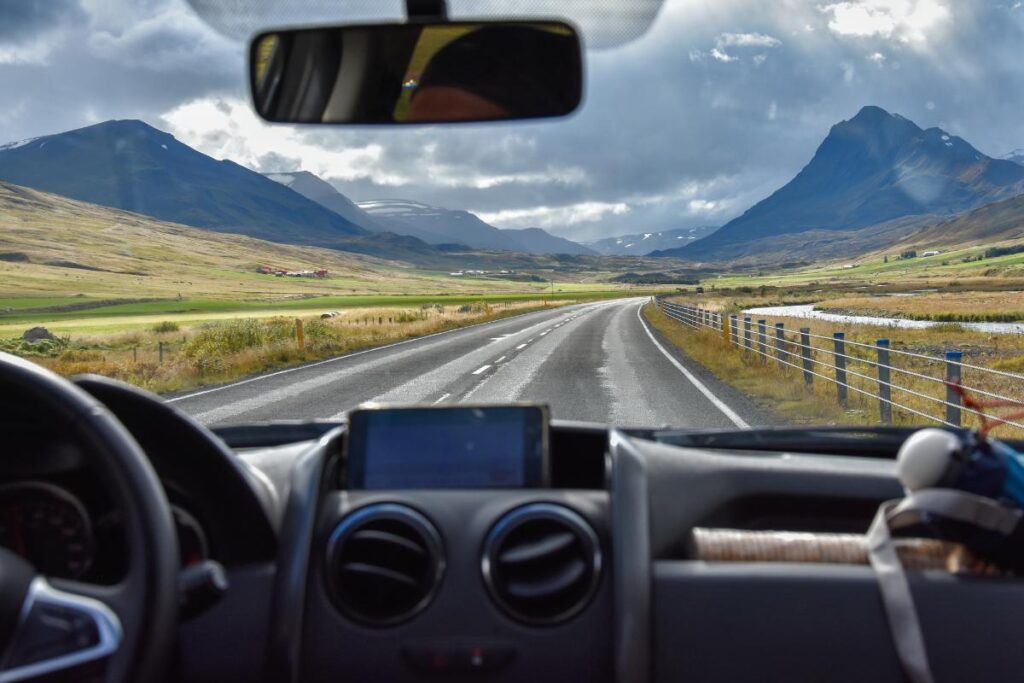
India is a paradise for road trip lovers. From the snow-clad Himalayas to the sun-kissed beaches of Goa, every journey offers a mesmerizing experience. Whether you are an adventure seeker or a nature lover, road trips in India offer breathtaking views and unforgettable memories. Here are the best road journeys you must explore for an extraordinary travel experience. 1. Manali to Leh – The Ultimate Himalayan Adventure One of the most iconic scenic drives in India, the Manali to Leh road trip is a dream for adventure enthusiasts. Covering approximately 480 km, this route takes you through the stunning Rohtang Pass, Baralacha La, and Tanglang La. Highlights: Best Time to Visit: June to September 2. Mumbai to Goa – The Ultimate Coastal Drive The Mumbai to Goa road trip via NH66 is a classic journey that blends scenic beauty with adventure. Covering approximately 600 km, this drive offers lush green landscapes, stunning beaches, and mouthwatering seafood. Highlights: Best Time to Visit: October to March 3. Delhi to Agra via Yamuna Expressway – The Fastest and Smoothest Drive For those who love a quick yet mesmerizing road trip, the Delhi to Agra journey is a must. The Yamuna Expressway spans 165 km, making it one of the fastest road trips in India. Highlights: Best Time to Visit: October to March 4. Bangalore to Ooty – The Enchanting Nilgiris This scenic drive in India takes you from Bangalore to the lush green hills of Ooty, covering approximately 270 km. The drive through Bandipur National Park adds an adventurous touch. Highlights: Best Time to Visit: October to June 5. Chennai to Pondicherry – The Picturesque East Coast Road The Chennai to Pondicherry road trip via the East Coast Road (ECR) is a scenic delight, spanning 160 km along the Bay of Bengal coastline. Highlights: Best Time to Visit: October to February 6. Guwahati to Tawang – The Majestic Northeast Journey The Guwahati to Tawang road trip is an offbeat adventure covering 520 km through the mesmerizing landscapes of Arunachal Pradesh. Highlights: Best Time to Visit: March to October 7. Ahmedabad to Kutch – The Great Rann Experience This road trip in India takes you from Ahmedabad to the vast white desert of Kutch, covering 400 km. Highlights: Best Time to Visit: November to February (during Rann Utsav) 8. Jaipur to Jaisalmer – The Desert Road Adventure This road trip in Rajasthan spans approximately 560 km, offering an enchanting journey through golden sand dunes. Highlights: Best Time to Visit: October to March 9. Shillong to Cherrapunji – The Meghalaya Marvel This scenic drive in India covers just 54 km but offers unmatched beauty, passing through lush green landscapes and misty hills. Highlights: Best Time to Visit: September to May 10. Spiti Valley Circuit – A Thrilling Himalayan Expedition One of the most adventurous Best road trips in India, the Spiti Valley circuit covers around 600 km through the rugged terrains of Himachal Pradesh. Highlights: Best Time to Visit: June to October Final Thoughts: For Best Road Trips in India India offers some of the most breathtaking road trips in the world, catering to every kind of traveler. Whether it’s the Himalayas, coastal drives, deserts, or tea gardens, each journey offers a unique experience. So, pack your bags, fuel up your vehicle, and hit the road for an adventure of a lifetime.
A Foodie’s Guide to Dharamshala: Best Places to Eat & Must-Try Dishes

Dharamshala, nestled in the Kangra Valley of Himachal Pradesh, is a paradise not just for nature lovers but also for food enthusiasts. Whether you’re craving authentic Tibetan cuisine, Himachali delights, or international flavors, Dharamshala offers a culinary journey like no other. From bustling markets to hidden food gems, here’s an ultimate guide to exploring the best food in Dharamshala. 1. Best Local and Street Food in Dharamshala Dharamshala’s streets are dotted with small food joints and roadside stalls that serve some of the most delectable local flavors. If you’re a fan of street food, these are the must-try items: a. Momos – The Tibetan Delight Momos are a staple here, and you’ll find them in almost every café and street stall. The best ones are served steamed, fried, or in a hot soup, filled with vegetables, chicken, or mutton. For the best momos, head to Tibet Kitchen or Lung Ta Japanese Restaurant. b. Thukpa – The Comforting Noodle Soup Nothing beats the chill of Dharamshala better than a steaming bowl of Thukpa. This Tibetan noodle soup, infused with vegetables and meat, is perfect for a warm and hearty meal. You can find delicious Thukpa at Norling Restaurant and Lobsang’s Four Season Café.. c. Siddu – The Himachali Specialty Siddu is a traditional Himachali bread filled with walnut paste and ghee, best enjoyed with dal or chutney. Dhauladhar View Café in McLeod Ganj serves one of the best Sidhus in town.. d. Chana Madra – The Taste of Himachal A rich and creamy dish made of chickpeas cooked in a thick yogurt-based gravy, Chana Madra is an authentic Himachali dish you must not miss. Try it at Green Hotel Café for an unforgettable taste. 2. Top Cafés in Dharamshala Dharamshala boasts some of the best quaint and cozy cafés, offering everything from freshly brewed coffee to organic meals. a. Illiterati Café – A Book Lover’s Paradise Located in Lower Dharamshala, Illiterati Café is a perfect spot for book lovers. Their pasta, sandwiches, and cheesecakes are a must-try, along with a spectacular view of the Dhauladhar ranges. b. Woeser Bakery – The Best Desserts in Town If you have a sweet tooth, Woeser Bakery in McLeod Ganj serves the most delicious carrot cake, brownies, and Tibetan butter tea. c. Moonpeak Espresso – Best for Coffee Lovers A favorite for espresso and cappuccino lovers, Moonpeak Espresso is famous for its strong brews and delicious Himachali-style breakfast. d. Jimmy’s Italian Kitchen – A Slice of Italy in Dharamshala For Italian food lovers, Jimmy’s Italian Kitchen serves authentic wood-fired pizzas and creamy pasta dishes. 3. Must-Visit Restaurants in Dharamshala For those who love fine dining and authentic experiences, these restaurants in Dharamshala offer some of the best culinary delights. a. Tibet Kitchen – The Best Tibetan Food Known for authentic Tibetan cuisine, Tibet Kitchen serves some of the best Shapta (stir-fried meat), Thenthuk (hand-pulled noodle soup), and tingmo (steamed bread). b. Lung Ta Japanese Restaurant – Authentic Japanese Cuisine For those who crave Japanese food, Lung Ta Japanese Restaurant serves sushi, miso soup, and teriyaki dishes that are as good as any found in Japan. c. Nick’s Italian Kitchen – Authentic European Flavors A charming place known for its wood-fired pizzas, lasagna, and fresh bakery items, Nick’s Italian Kitchen is a must-visit for European cuisine lovers. d. Norling Restaurant – Traditional Himalayan Flavors Serving authentic Himalayan and Tibetan dishes, Norling Restaurant is famous for its Shaphaley (fried Tibetan bread stuffed with meat) and Thukpa. 4. Hidden Food Gems in Dharamshala While the popular restaurants are a must-visit, there are a few hidden gems that only locals know about: a. Lhamo Croissant Bakery A small yet cozy bakery in McLeod Ganj, Lhamo Croissant Bakery is famous for its buttery croissants, cheesecakes, and organic herbal teas. b. Trek and Dine Café Situated on the way to Bhagsu Waterfall, this café is a backpacker’s paradise, serving delicious sandwiches, Nutella pancakes, and fresh smoothies. c. Clay Oven Restaurant A lesser-known yet excellent spot, Clay Oven Restaurant serves Nepali, Indian, and Tibetan cuisines with a peaceful ambiance. d. Seed Café Overlooking the mountains, Seed Café serves fusion dishes, coffee, and live music performances. 5. Best Places for Traditional Himachali Food a. Dhauladhar View Restaurant A perfect place for trying authentic Himachali Dham, a traditional Himachali thali consisting of Madra, Chana Dal, and Rice. b. Bhojan Restaurant If you’re looking for simple, home-style Himachali food, Bhojan Restaurant is the perfect spot for enjoying Rajma Chawal, Siddu, and local pickles. 6. Best Vegan and Organic Cafés in Dharamshala For health-conscious travelers, Dharamshala also offers amazing vegan and organic cafés: a. Bodhi Greens A 100% vegan café, Bodhi Greens serves organic smoothie bowls, plant-based burgers, and herbal teas. b. The Green Hotel Café A peaceful café offering vegetarian and vegan-friendly meals, The Green Hotel Café is famous for its gluten-free pancakes and homemade hummus. Conclusion Dharamshala is a food lover’s delight, offering a diverse culinary experience from traditional Himachali dishes to international delicacies. Whether you’re exploring the bustling markets of McLeod Ganj or relaxing in a cozy café with a stunning view, there’s something to satisfy every palate.
Top 10 Best Hotels in Dharamshala for a Comfortable Stay
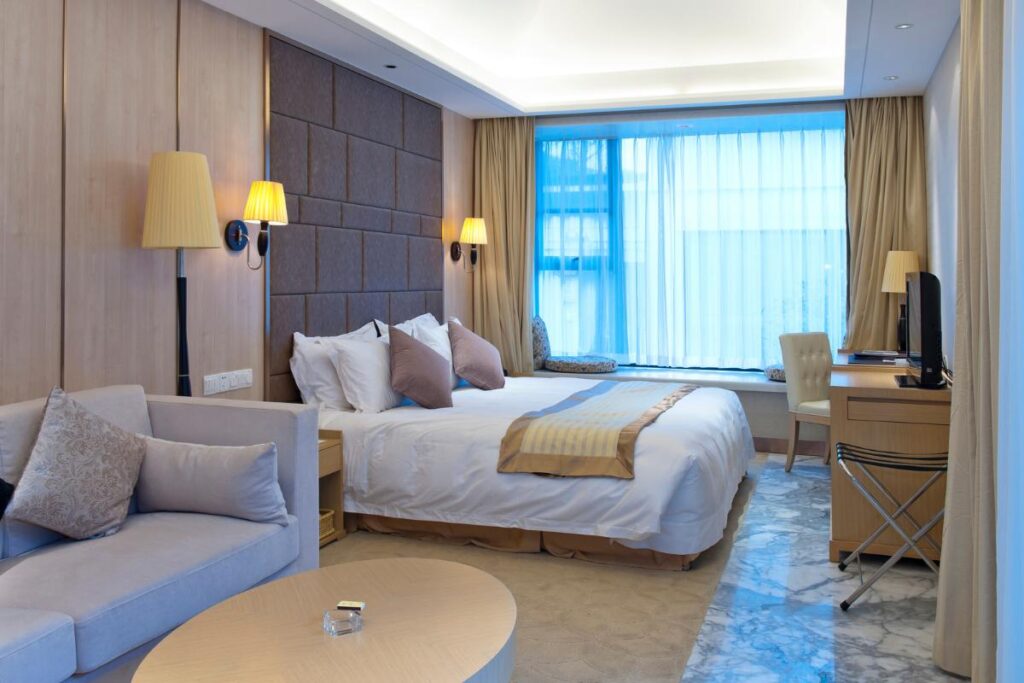
Dharamshala, a breathtaking hill station in Himachal Pradesh, is a haven for nature lovers, spiritual seekers, and adventure enthusiasts. Whether you are looking for a luxurious escape, a budget-friendly stay, or a boutique hotel with mesmerizing mountain views, Dharamshala has something for everyone. Here, we present a detailed list of the top 10 best hotels in Dharamshala, ensuring a comfortable and memorable stay. 1. Hyatt Regency Dharamshala Resort (Luxury Stay) Located in the lush greenery of Dharamshala, Hyatt Regency offers world-class amenities, including spa services, luxurious rooms, an infinity pool, and gourmet dining. Ideal for travelers seeking a blend of luxury and tranquility, this hotel is a top choice for an indulgent vacation. Why Stay Here? 2. Fortune Park Moksha (Luxury Stay) Nestled in the lap of the Dhauladhar range, Fortune Park Moksha offers sophisticated decor, plush accommodations, and impeccable hospitality. The hotel is well-known for its tranquil setting, excellent service, and well-maintained gardens. Key Highlights: 3. Radisson Blu Resort Dharamshala (Premium Stay) A five-star retreat with a perfect mix of modern elegance and nature’s beauty, Radisson Blu Dharamshala is known for its charming decor, world-class amenities, and excellent hospitality. It offers a stunning infinity pool overlooking the valley. Why Choose Radisson Blu? 4. The Pavilion Dharamshala by HPCA (Premium Stay) If you are a cricket enthusiast, The Pavilion Dharamshala, situated near the HPCA cricket stadium, offers modern accommodations with a scenic backdrop. What Sets It Apart? 5. Nibaana – A Luxury Resort (Boutique Luxury Stay) Set amidst lush cedar forests, Nibaana Resort is a hidden gem offering personalized service, cozy cottages, and an immersive experience in nature. Why You’ll Love It? 6. The Divine Hima (Boutique Stay) A charming boutique stay, The Divine Hima is known for its artistic interiors, warm hospitality, and homely feel. Ideal for solo travelers and couples looking for a cozy, artsy retreat in Dharamshala. Highlights: 7. Prakriti Aalay – Eco Resort (Eco-Friendly Stay) For nature lovers looking for an eco-conscious retreat, Prakriti Aalay provides an authentic Himalayan experience with its sustainable architecture and organic cuisine. Key Features: 8. Quartz Himalayan Brothers (Budget Stay) Quartz Himalayan Brothers offers affordable yet comfortable accommodations with breathtaking views of the Dhauladhar range. What Makes It a Great Budget Stay? 9. Hotel Inclover (Budget Stay) Centrally located in Dharamshala, Hotel Inclover is a great budget hotel offering modern amenities, comfortable rooms, and an in-house restaurant. Reasons to Stay Here: 10. The Vaikunth – McLeod Ganj (Budget-Friendly with Scenic Views) A beautiful budget-friendly property in McLeod Ganj, The Vaikunth offers serene views, comfortable rooms, and warm hospitality at an affordable price. Why It’s Worth It? Final Thoughts: Best Hotels in Dharamshala Dharamshala offers a diverse range of accommodations catering to luxury seekers, budget travelers, and eco-conscious tourists. Whether you prefer a lavish stay in a five-star resort or an intimate boutique experience, this guide will help you find the Best Hotels in Dharamshala.
Perfect 7-Day Itinerary for Exploring Himachal Pradesh
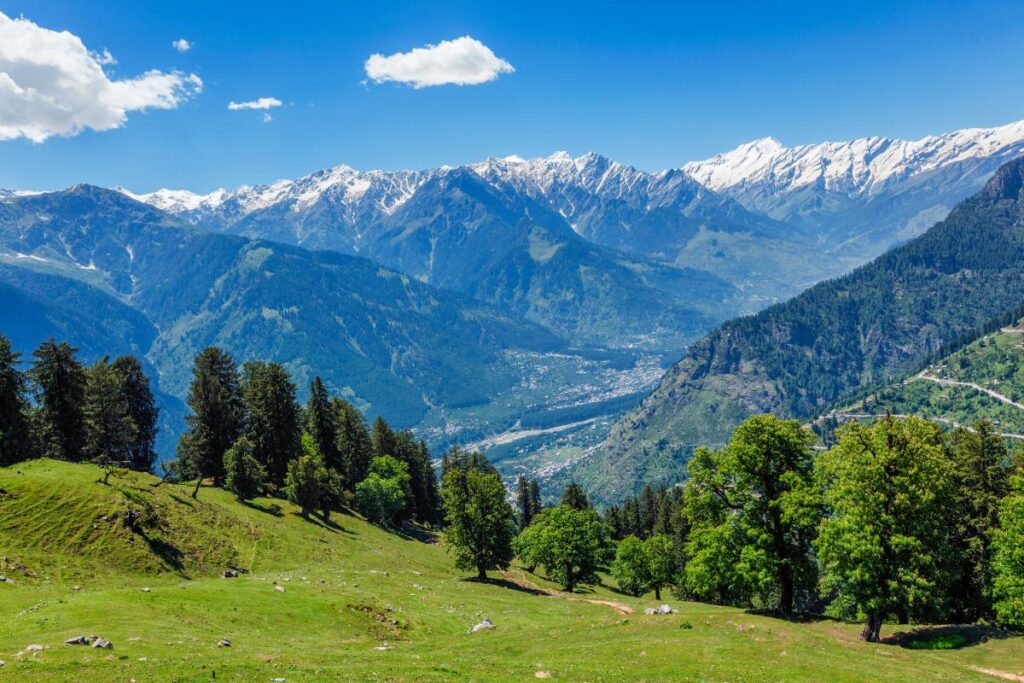
Himachal Pradesh, often referred to as the “Land of Gods”, is a paradise for travelers seeking majestic mountains, lush valleys, and vibrant culture. Whether you’re an adventure enthusiast, a nature lover, or simply looking for a peaceful getaway, this 7-day itinerary ensures that you experience the best of Himachal Pradesh, covering the top destinations, luxury and budget-friendly accommodations, and must-visit attractions. Day 1: Arrival in Shimla – The Queen of Hills Start your journey in Shimla, the capital city of Himachal Pradesh, known for its colonial charm and breathtaking landscapes. Things to Do in Shimla: Best Places to Stay in Shimla: Day 2: Shimla to Manali – Scenic Drive Through the Mountains Embark on a picturesque road trip from Shimla to Manali (approx. 7-8 hours) through lush green valleys and stunning landscapes. Things to Do En Route: Best Places to Stay in Manali: Day 3: Exploring Manali – A Blend of Nature & Adventure Manali, nestled in the Himalayan foothills, is a hub for adventure and nature lovers alike. Top Attractions in Manali: Day 4: Manali to Dharamshala – The Land of Dalai Lama Drive to Dharamshala (approx. 7 hours), the residence of His Holiness the Dalai Lama and a hub of Tibetan culture. Top Things to Do in Dharamshala: Best Places to Stay in Dharamshala: Day 5: Dharamshala to Dalhousie – A Colonial Retreat Travel to Dalhousie (approx. 4 hours), a charming hill station with British colonial influences. Top Attractions in Dalhousie: Best Places to Stay in Dalhousie: Day 6: Dalhousie to Khajjiar – The Mini Switzerland of India Take a short trip to Khajjiar, a dreamy destination resembling Switzerland with its lush meadows and dense forests. Things to Do in Khajjiar: Best Places to Stay in Khajjiar: Day 7: Return to Pathankot/Chandigarh – End of an Enriching Journey On the final day, drive back to Pathankot or Chandigarh, marking the end of your Himachal Pradesh adventure. Optional Activities in Chandigarh (If Time Permits): Final Thoughts This 7-day itinerary covers the most enchanting destinations of Himachal Pradesh, offering a perfect blend of adventure, culture, and relaxation. Whether you choose luxury stays or opt for budget-friendly options, this guide ensures an unforgettable experience in the Himalayas.
Yulla Kanda Trek: Discover the World’s Highest Shri Krishna Temple in the Himalayas
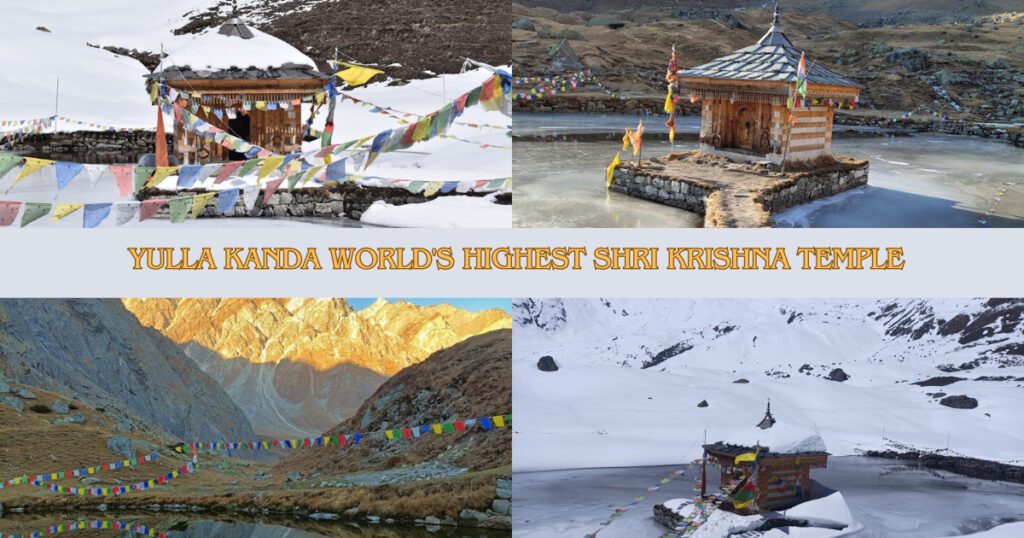
The Yulla Kanda Trek, which is hidden away amid Himachal Pradesh’s stunning scenery, promises an incredible journey through the tranquil splendour of the Himalayas. This walk delivers more than simply a physical excursion; it gives a profound experience with its immaculate pathways, expansive views, and deep cultural significance. Above all, the journey goes to the highest temple of Lord Krishna in the world, making it a spiritually enlightening adventure. To help you organise your trip to Yulla Kanda and get the most out of this fascinating Himalayan adventure, we have provided a full itinerary below. The Yulla Kanda Trek: Why Choose It? A hidden jewel in Himachal Pradesh, the Yulla Kanda Trek offers a singular fusion of religious significance, peace, and natural beauty. Whether you are looking for adventure, solitude, or a spiritual connection, the walk is suitable for all types of adventurers. Amazing Views: Ascend and take in the breathtaking views of snow-capped peaks, thick woods, and verdant meadows. Cultural Significance: This walk is an unmatched spiritual experience because it leads to the world’s highest Lord Krishna temple, which is located at an astounding elevation of over 12,000 feet. flora & fauna: Experience the varied wildlife of the Himalayas and the lush vegetation that is exclusive to this area. Interesting Location: Yulla Kanda provides seclusion and tranquilly, making it the perfect choice for anyone seeking to get away from the bustle of the city, in contrast to popular hiking routes. Key Highlights of the Yulla Kanda Trek Starting Point: The trip starts right next to the town of Kinnaur in the charming village of Sapni. Elevation: The hike climbs to a height of about 12,700 feet. Duration: Typically a 3 to 4-day trek, depending on your pace and stops. Best Time to Visit: May through October is the best time of year to go on this walk. The scenery is beautiful and welcoming, and the temperature is pleasant during these months. While a basic degree of fitness is required, this moderately difficult journey is appropriate for both novice and seasoned hikers. Detailed Itinerary for Yulla Kanda Trek – Click Here Day 1: Arrival at Sapni Village The first stop on your tour is Sapni, a charming village with traditional Himachali architecture and an abundance of flora. The journey begins with a slow climb through thick pine and deodar woodlands. Stay overnight in a picturesque location surrounded by nature. Day 2: Trek to Yulla Kanda Meadows On the second day, the track leads to expansive meadows that are blooming with wildflowers. You’ll also get views of snow-capped peaks and calm waterways. The hard but worthwhile walk of this day provides breathtaking vistas and the ideal setting for photography. Day 3: Visit the Lord Krishna Temple The Lord Krishna Temple, the trek’s high point, is waiting at the top. This temple, a centre of spiritual energy and a masterpiece of ancient construction, is situated at an elevation of more than 12,000 feet. With the magnificent Himalayan range all around, pilgrims and hikers alike find comfort here. Before heading down to your base camp, take some time to enjoy the tranquil atmosphere and take in the expansive vistas. Day 4: Return to Sapni Village Return to Sapni by descending along the same picturesque paths. As your adventure comes to an end, bid adieu to the captivating scenery. What to Pack for Yulla Kanda Trek A seamless and pleasurable trekking journey is ensured by packing sensibly. Here is a guide to help you: Clothes: Trekking pants, waterproof jackets, thermal gear, gloves and layered apparel. Footwear: Sturdy, well-griped trekking shoes. Accessories include hiking poles, caps, sunglasses, and sunscreen with a high SPF. Water bottles, energy snacks, a torch and a first aid pack are necessities. Backpack: A lightweight, cosy backpack that can hold all you need. Accommodation and Food Options During the trek, you have the option of camping in tents or staying in simple shelters that the local villagers provide. Meals usually include dal, rice, chapati, and vegetables that are grown nearby. Himachali cuisine is uncomplicated but tasty. It’s a good idea to have some dry snacks and prepared meals on hand for simplicity. Tips for a Safe and Enjoyable Trek Get used to Correctly: To prevent altitude sickness, take your time acclimating to the altitude. Hire a Guide: With their familiarity with the area and cultural insights, local guides may make your trip even more enjoyable. Keep Hydrated: To keep refreshed and avoid dehydration, drink a lot of water. Respect Nature: To protect the natural environment, abide by the Leave No Trace philosophy. Evaluate Weather Conditions: Prior to beginning your walk, always review the weather forecast. The Spiritual Significance of Lord Krishna Temple The Lord Krishna Temple at Yulla Kanda is a historical and religious attraction. This temple, which is revered by both residents and tourists, is thought to have been built centuries ago. As the tallest temple in the world devoted to Lord Krishna, it is a place of great spiritual significance. Trekkers find this temple to be a peaceful place to relax and think, while pilgrims come here in search of blessings and tranquilly. Conclusion The Yulla Kanda Trek offers a deep cultural, spiritual, and adventurous experience in addition to a trip through stunning scenery. This walk offers something special for everyone, whether you are an experienced hiker or someone looking for peace and quiet in the outdoors. Every moment of our journey, from the immaculate paths and picturesque meadows to the magnificent Lord Krishna Temple, will be remembered. The Yulla Kanda Trek has an unmatched charm that will captivate you. Get ready for an experience of a lifetime.
The Best traditional dishes of Himachal Pradesh
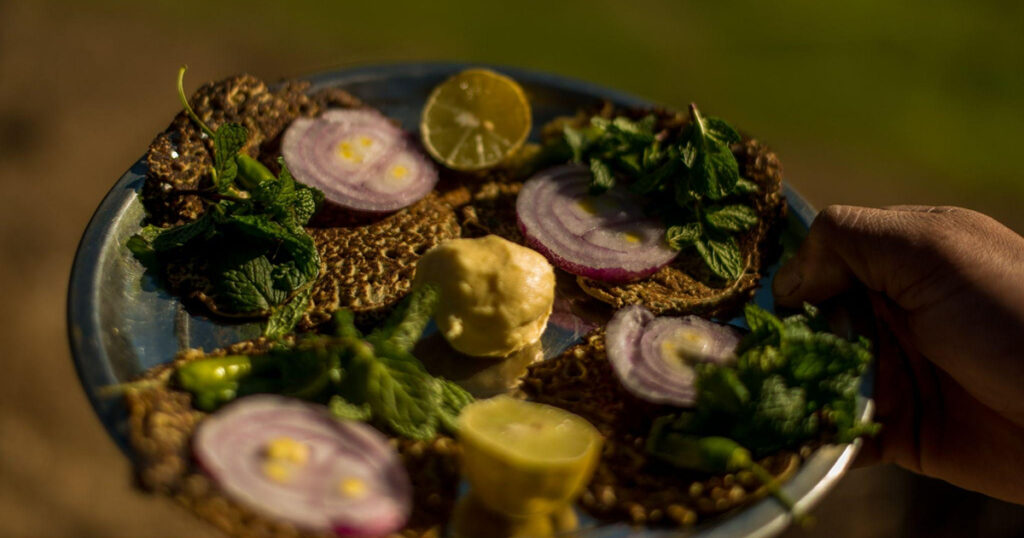
Himachal Pradesh, located in the foothills of the majestic Himalayas, is famous for its breathtaking scenery and rich culinary legacy. The best traditional dishes of Himachal Pradesh are infused with natural herbs, local spices, and centuries of tradition, the best traditional dishes of Himachal Pradesh offer a perfect blend of flavors influenced by neighboring Tibet and Punjab. Himachal’s cuisine culture is as diverse as its terrain, covering everything from major vegetarian dishes to spicy non-vegetarian pleasures. Each meal conveys a tale about the area’s history, environment, and local products, making each bite an experience in and of itself. Whether you’re a foodie looking to try new things or an adventurer looking for real regional flavors, these classic Himachali recipes will leave you wanting more. Dham Dham is the most popular delicacy, and it is commonly served on leafy plates known as “Pattal.” It is served during religious holidays and key events such as weddings. It has a distinct flavor due to the usage of traditional chulha or wood. It is made with high-quality components that promote nutrition and hygiene. It contains rice, rajma, lentils, veggies, and curd. Furthermore, the dinner is a delicacy cooked exclusively by trained chefs known as “Botis.” Many of the Dham recipes do not include onion or garlic. This traditional dish is prepared differently in different sections of the state, hence the cooking methods vary. Babru Babru, which tastes similar to kachoris, is an uncommon gastronomic pleasure. However, unlike kachoris, it can be prepared both savory and sweet. The kneaded dough is filled with ground black gram paste, making it resemble a deep-fried poori. The sweet version features a jaggery filling. It is a popular breakfast food with a distinct flavor and scent. It is usually paired with delicious tamarind chutney. In the area, it is a very popular regional dish. Madra Madra, originating in the Chamba region, is a creamy yogurt curry made with chickpeas, kidney beans, and locally grown veggies. This meal, slow-cooked with spices like cumin, cinnamon, cardamom, and cloves, has a rich, aromatic flavor and is generally served as a festive main course. Kullu Trout Fish Kullu Trout Fish is one of Himachal Pradesh’s healthiest dishes, in which marinated fish is cooked with a few raw spices to preserve nutrients. To enhance the flavor, a little lemon-onion sauce is drizzled over the fish after it has been pan-fried in mustard oil. Because the fish can only be found in the cold waters of Himachal Pradesh, if you enjoy fish and are always looking for new experiences, you won’t want to miss out on this feast. Siddu Siddu is a popular Himachal Pradesh food made from wheat flour. The flour is laid aside after being kneaded, allowing the dough to rise. The bread is then placed directly over the flames of a campfire, partially cooking and steaming it. This ghee-based Himachali side dish pairs well with mutton or vegetables as the main course. Although the preparation of this pahadi cuisine is complex and time-consuming, the taste is well worth the effort. Patrode The arbi leaves are used to make pahari meal, or patrode. One of the most popular afternoon tea snacks in the highlands, you may even eat it with your evening supper. Colocasia leaves and besan (gram flour) are used to make this. The besan and spice mixture is wrapped around the leaves, shaped into little rolls, steamed, and then cut into slices for deep or shallow frying. Patrode, also known as patravade in the southern portion of the country, is made with rice rather than besan. Chicken Anardana Chicken Himachali Style (Pomegranate Chicken) is a delicious chicken recipe from Himachal Pradesh. Chicken anardana, one of the state’s most famous non-vegetarian cuisines, is a hit with chicken lovers. This dish is made with fragrant spices and dried pomegranate seeds, which give it a particular sour and spicy flavor and pinkish-reddish color. It pairs perfectly with rice and naan. Bhey: Stir-Fried Lotus Stem The Bhey dish, also known as the stir-fried lotus stem recipe, originated in Himachal Pradesh. This is simple to make because it utilizes a small amount of spices. Lotus stems are chopped into bits and cooked with ginger, garlic, onions, gram flour, and a variety of spices to create bhey, which has a delicious flavor. For a hearty lunch or dinner, serve the bhey dish with tawa paratha. Mittha Mittha is a delicious saffron rice dish from the Himalayan state of Himachal Pradesh. This one-of-a-kind recipe, which combines rice, fried raisins, and cashew nuts before finishing with sugar and saffron milk, is too delicious to pass up. This supper is a feast for the eyes and nose, as well as the taste buds, thanks to its appealing perfume and lovely texture. Why Himachali Cuisine is Unique The beauty of Himachali cuisine stems from its use of locally sourced, seasonal ingredients and age-old culinary traditions passed down through generations. Every meal reflects the region’s history, hospitality, and connection to nature. Tibetan and Punjabi cuisines add to the flavor profile, resulting in a unique gastronomic tapestry. Conclusion: The Best traditional dishes of Himachal Pradesh Also Read: Valley of Flowers 2025 Opening Dates: Everything You Need to Know Himachal Pradesh’s cuisine, which ranges from traditional vegetarian dishes like Dham to distinctive non-vegetarian delights such as Chicken Anardana, reflects the state’s rich cultural and gastronomic variety. Whether you’re planning a trip to the hills or simply want to test regional cuisines at home, these meals provide a true sense of the highlands. Ready to experience the charm of Himachali cuisine? Bookmark this page to experience the warmth of Himachal’s cuisine culture firsthand!
Offbeat Summer Destinations in India: Hidden Gems for Your Next Escape

India has some of the most magnificent summer destinations, but many tourists return to the same well-known hill stations year after year. India has hidden gems that offer tranquillity, breathtaking landscapes, and one-of-a-kind cultural experiences. Explore these offbeat summer destinations in India that promise an unforgettable retreat away from the bustling tourist crowds. These are the Top Offbeat Summer Destinations in India Also Read: Best Solo Travel Destinations in 2025 1. Tawang, Arunachal Pradesh – The Monastic Retreat Tawang, located at 10,000 feet, is a lovely town famed for its old Buddhist monasteries, clean lakes, and stunning valleys. The Tawang Monastery, one of India’s largest, offers spiritual solace amidst the magnificent Himalayas. Sela Pass, a high-altitude mountain pass that remains snow-covered even in the summer, is a popular destination for nature enthusiasts. Tawang’s attractiveness is enhanced by the crystal-clear Shonga-tser Lake and the roaring Nuranang Falls, making it a must-see destination for anyone seeking calm. 2. Ziro Valley, Arunachal Pradesh – The Land of the Apatanis Ziro Valley, home to the Indigenous Apatani tribe, is a nature lover’s heaven. It is surrounded by lush green paddy fields and pine forests, providing an immersive cultural experience. If visitors visit during the correct season, they can go on natural treks, see tribal settlements, and attend the renowned Ziro Music Festival. The valley’s cool temperature provides an ideal getaway from the sweltering summer heat. 3. Spiti Valley, Himachal Pradesh – The Cold Desert Spiti Valley is an unspoiled beauty of arid landscapes, historic monasteries, and stunning high-altitude lakes. The valley is home to the Key Monastery, the oldest in the region, which provides breathtaking views. Adventurers can visit Chandratal Lake, a crescent-shaped lake noted for its reflected blue waters, or hike to Dhankar Lake for an unforgettable panoramic view of the Himalayas. Spiti’s raw beauty makes it a dream destination for photographers and trekkers alike. 4. Kausani, Uttarakhand – The Switzerland of India Kausani, located in the Kumaon region, is a lesser-known hill station with amazing views of the Trishul, Nanda Devi, and Panchachuli peaks. Kausani is ideal for visitors seeking tranquility, with tea gardens, lush green valleys, and breathtaking sunrise vistas. Visit Anasakti Ashram, where Mahatma Gandhi stayed, or go hiking to Rudradhari Falls for a soothing experience. 5. Tirthan Valley, Himachal Pradesh – A Paradise for Nature Lovers Tirthan Valley, located in the Great Himalayan National Park, is an undiscovered gem for those seeking unspoiled natural beauty. This valley is ideal for hiking, trout fishing, and animal spotting. The lush green meadows, flowing rivers, and apple orchards make for a lovely hideaway. A visit to Serolsar Lake and the mythical Jalori Pass enhances the allure of Tirthan Valley. 6. Munsiyari, Uttarakhand – The Trekker’s Paradise Munsiyari, also known as the ‘Little Kashmir’ of Uttarakhand, is a picturesque hill station with amazing views of the Panchachuli ranges. Trekkers flock to this location to take on the Milam Glacier and Ralam Glacier trip. The Birthi Falls, Maheshwari Kund, and Thamri Kund are must-see destinations for nature enthusiasts seeking refuge in the Himalayas. 7. Lambasingi, Andhra Pradesh – The Kashmir Lambasingi is one of the rare areas in South India that receive snowfall. It provides a pleasant respite with its lush forests, foggy hills, and coffee farms. Lambasingi is a popular camping, trekking, and nature walk destination that offers a surreal experience, particularly in the early morning hours when the mist creates a lovely environment. 8. Chikmagalur, Karnataka – The Coffee Land of India Chikmagalur is an unusual hill station famed for its expansive coffee plantations and verdant sceneries. Visitors can explore Karnataka’s tallest peak, Mullayanagiri, climb via Baba Budangiri, or relax at Hebbe Falls and Kudremukh National Park. Coffee lovers should visit a coffee plantation for an unforgettable coffee-brewing experience. 9. Haflong, Assam – The Only Hill Station of Assam Haflong, Assam’s sole hill station, is a picturesque wonder, with rolling green hills, azure lakes, and a thriving tribal culture. A visit to Haflong Lake provides chances for boating and bird watching. The surrounding Jatinga Village is well-known for the inexplicable phenomena of bird suicides. Haflong is a popular summer destination for adventure seekers because of its walking paths and paragliding opportunities. 10. Majuli, Assam – The Largest River Island in the World Majuli, located in the Brahmaputra River, is a tranquil and culturally significant river island. Majuli, known for its Satras (Vaishnavite monasteries), provides insight into Assam’s distinct past. Visitors can ride bicycles around the island, see Kamalabari Satra, and connect with the Mishing tribe. The island’s rustic appeal and rich foliage make it an ideal off-beat summer retreat. 11. Kanyakumari, Tamil Nadu – Where Oceans Meet Kanyakumari, India’s southernmost tip, is where the Arabian Sea, Bay of Bengal, and Indian Ocean meet. It is well-known for its breathtaking sunrise and sunset vistas, and major attractions include the Vivekananda Rock Memorial, Thiruvalluvar Statue, and Kanyakumari Temple. Its calm beaches, rich cultural legacy, and breathtaking coastline views make it a great summer destination for those seeking peace and spiritual renewal. 12. Malana, Himachal Pradesh – The Ancient Himalayan Village Malana is an interesting destination for individuals looking for an out of the ordinary and magical getaway. Malana is known for its seclusion and ancient rituals, and its unusual social structure and self-governance have earned it the nickname ‘Village of Taboos’. The journey to Malana provides stunning views of the Parvati Valley, and visitors may immerse themselves in the village’s unique culture, sacred shrines, and natural beauty. Final Thoughts: Offbeat Summer Destinations in India India is home to numerous offbeat summer destinations that offer spectacular landscapes, cultural richness, and peaceful getaways. Whether you seek adventure, solitude, or cultural immersion, these hidden gems promise a memorable travel experience away from crowded tourist spots. Plan your next summer escape to these lesser-known paradises and immerse yourself in the untouched beauty of India.
Mysterious Lake in Himachal Pradesh Called Chandratal Lake
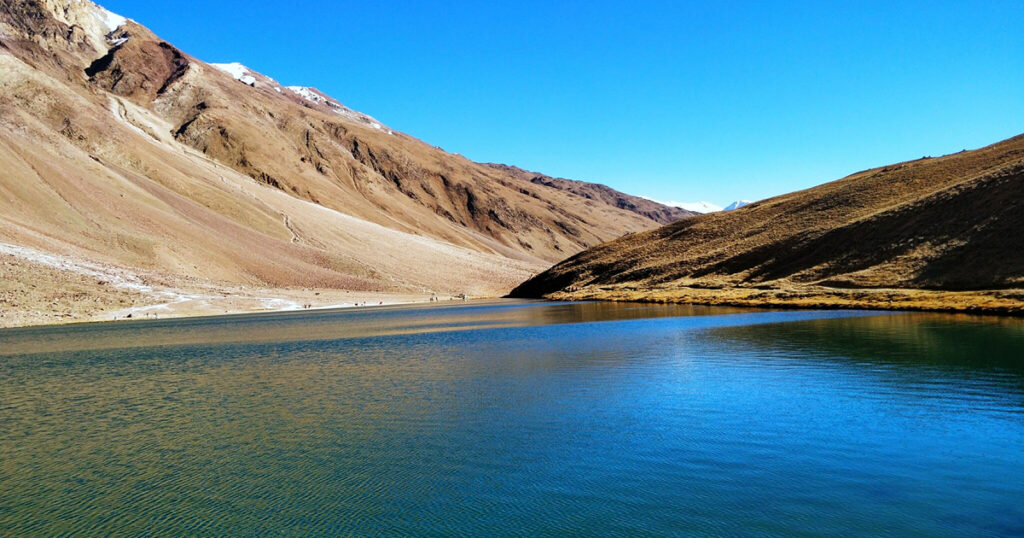
Introduction Nestled amidst the rugged and breathtaking terrain of the Lahaul and Spiti region of Himachal Pradesh, Chandratal Lake is a mystical, crescent-shaped water body that has captivated travelers, trekkers, and nature enthusiasts for centuries. This enchanting lake, sitting at an altitude of 4,300 meters (14,100 feet) above sea level, offers a surreal experience with its pristine blue waters reflecting the majestic Himalayan peaks. Known as the “Lake of the Moon,” Chandratal is shrouded in myths, legends, and extraordinary natural beauty that make it one of the most fascinating travel destinations in India. Also Read: Best Time to Visit Chandratal Lake The Mesmerizing Beauty of Chandratal Surrounded by snow-clad mountains and lush green meadows, Chandratal Lake transforms dramatically with the changing seasons. During summer, the lake appears in stunning shades of turquoise, emerald green, and deep blue, while in winter, it remains frozen under a thick layer of ice. The contrast between the arid Spiti landscape and the vibrant hues of the lake makes it a photographer’s paradise and a dream destination for adventure seekers. Mythological and Historical Significance Chandratal is steeped in folklore and mythology. According to Hindu legends, the lake is believed to be the spot where Lord Indra’s chariot picked up Yudhishthira, the eldest of the Pandavas, taking him to heaven in his mortal form. This spiritual significance makes it a revered site among pilgrims and devotees. Additionally, Chandratal is considered a source of immense positive energy and has been a place of meditation for sages and monks over centuries. How to Reach Chandratal Lake By Air The nearest airport is Bhuntar Airport in Kullu, approximately 190 km from Chandratal. From there, one can hire a taxi or take a bus to Manali, followed by a rugged journey to Batal, which is the last motorable point. By Road The most popular route to Chandratal is via Manali – Rohtang Pass – Gramphu – Batal – Chandratal. The distance from Manali to Chandratal is around 140 km, but the road conditions are challenging due to rough terrain and unpredictable weather. By Trekking For trekking enthusiasts, the Hampta Pass Trek offers an incredible journey from Manali to Chandratal, covering lush valleys, alpine forests, and breathtaking landscapes. The trek takes around 4-5 days and is considered moderate in difficulty. Best Time to Visit Chandratal The best time to visit Chandratal Lake is between June and September, when the snow has melted, and the roads are accessible. During this period, the weather is pleasant, with temperatures ranging between 5°C to 20°C. The lake remains frozen from October to May, making it almost impossible to visit due to heavy snowfall. Things to Do at Chandratal 1. Camping by the Lake Since there are no permanent accommodations near Chandratal, camping is the only option. Several eco-friendly camping sites are available 2 km away from the lake, providing a unique opportunity to experience the wilderness under a starlit sky. 2. Trekking and Hiking Chandratal serves as a base for multiple trekking expeditions, including the Hampta Pass Trek and the Baralacha La Trek. These treks offer stunning views of the Himalayas and an adventurous experience. 3. Photography and Sightseeing The scenic beauty of Chandratal is unmatched, making it a paradise for photographers. The reflections of the surrounding peaks in the crystal-clear water provide breathtaking frames. 4. Stargazing and Night Photography Due to minimal light pollution, Chandratal is one of the best places for stargazing. The Milky Way, shooting stars, and constellations can be seen in their full glory, making it a surreal experience. Important Travel Tips Conclusion – Visit Chandratal Lake: A Breathtaking Himalayan Gem in Lahaul-Spiti Chandratal Lake, with its ethereal beauty, spiritual significance, and adventure-filled surroundings, is truly a must-visit destination in Himachal Pradesh. Whether you seek peace, thrill, or a connection with nature, Chandratal has something for every traveler. Plan your trip wisely and immerse yourself in the mesmerizing charm of this celestial lake.
Best Places to See Snow in Himachal Pradesh
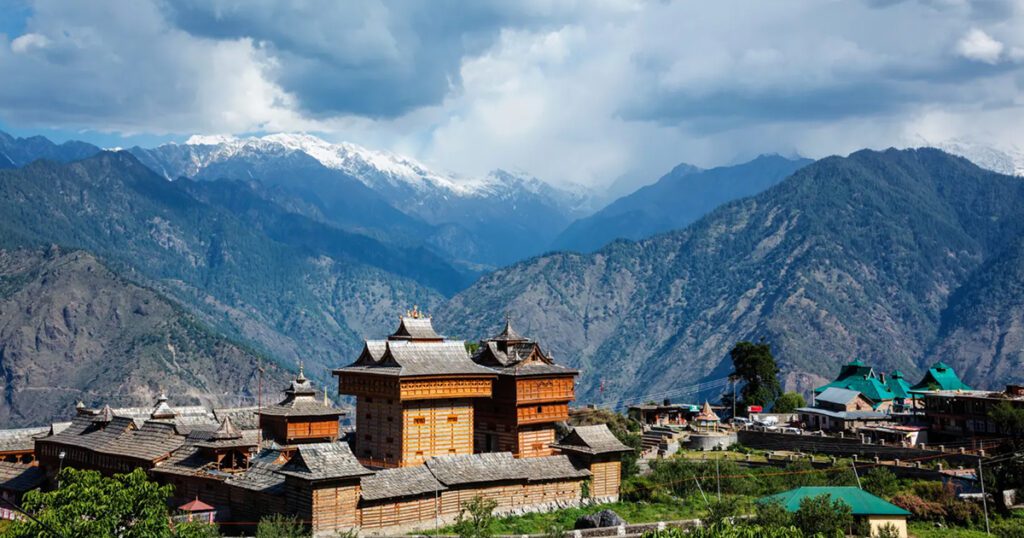
Himachal Pradesh, with its dramatic landscapes, from lush green valleys to soaring, snow-capped peaks, truly transforms into a magical winter wonderland during the colder months. For those yearning to witness the pristine beauty of freshly fallen snow, engage in thrilling winter sports, or simply soak in the serene atmosphere, Himachal offers an array of enchanting destinations. If you’re planning to explore the best places to experience snow in Himachal, here’s a comprehensive guide tailored for you. The snowfall season in Himachal Pradesh typically commences in late November and extends well into March, with December and January often experiencing the heaviest and most widespread snowfall. During this period, the state dons a thick blanket of white, creating postcard-perfect scenes that attract tourists from all over the world. Read: The Valleys of Kashmir Fail in Front of These Places of Ladakh The Best Places to Experience Snow in Himachal 1. Manali and Solang Valley: The Adventurer’s Hub Manali is arguably the most famous destination in Himachal for snow. During winter, the entire town is draped in a pristine white cover, with snow-laden pine trees and the frozen Beas River creating a magical atmosphere. 2. Shimla: The Queen of Hills in White Shimla, the former summer capital of British India, retains its colonial charm, which is significantly enhanced by winter snowfall. From late December to February, Shimla becomes a picturesque white landscape. 3. Dharamshala and McLeod Ganj: Spiritual Serenity Amidst Snow Nestled in the Dhauladhar range, Dharamshala and McLeod Ganj offer a unique blend of Tibetan culture and natural beauty. While not as heavy as Manali, these towns and their higher reaches experience significant snowfall from late December to February. 4. Narkanda: The Skiing Gem Located approximately 60 km from Shimla, Narkanda is a beautiful hill station known for its pristine snow and excellent skiing slopes. It’s an older and less crowded alternative to more commercialized destinations. 5. Rohtang Pass: The Legendary Snow Highway (Seasonal Access) At an altitude of 3,978 meters (13,058 feet), Rohtang Pass is a legendary mountain pass renowned for its heavy snowfall. However, it is typically closed from mid-November to April or early May due to extreme weather and heavy snow accumulation, making it largely inaccessible during peak winter. 6. Spiti Valley: The Remote Icy Wonderland For the ultimate winter adventure and an experience of unparalleled solitude amidst a frozen landscape, Spiti Valley is a top choice. This high-altitude cold desert transforms into a pristine white expanse from November to March. Access to Spiti in winter is primarily via the Shimla-Kinnaur route, as the Manali-Rohtang Pass route is closed. 7. Bir-Billing: Paragliding Hub with Winter Charm Primarily known as the “Paragliding Capital of India,” Bir-Billing also offers a unique winter experience, especially in the upper reaches of Billing. While Bir town itself might not receive very heavy snowfall, Billing, located at a higher altitude, often gets a good blanket of snow. Other Must-Visit Places to See Snow in Himachal Pradesh: Kufri: Often paired with a trip to Shimla, Kufri is an excellent destination for snow play and adventure. Located just 16 km from Shimla, it’s easily accessible and very popular, especially from December to February. Chamba: While the main town of Chamba typically receives moderate snowfall, the higher regions of the Chamba district, such as Khajjiar and Dalhousie, are renowned for their heavy winter snow. Kinnaur: This tribal district, situated closer to the Indo-Tibetan border, offers some of Himachal’s most spectacular and pristine winter landscapes. While parts of Kinnaur can be challenging to access due to heavy snowfall, the beauty is unparalleled. Essential Tips for Your Snow Trip: Final: Best Places to See Snow in Himachal Pradesh Himachal Pradesh in winter is an experience like no other. Whether you’re seeking adrenaline-pumping snow sports, serene snowy landscapes, or a peaceful retreat amidst nature’s pristine beauty, the “Devbhoomi” (Land of Gods) promises an unforgettable winter adventure. Embrace the chill, soak in the breathtaking vistas, and create memories that will last a lifetime in the best places to experience snow in Himachal. a
20 Best Places to Visit in India During Summer: Cool Escapes for Your Vacation
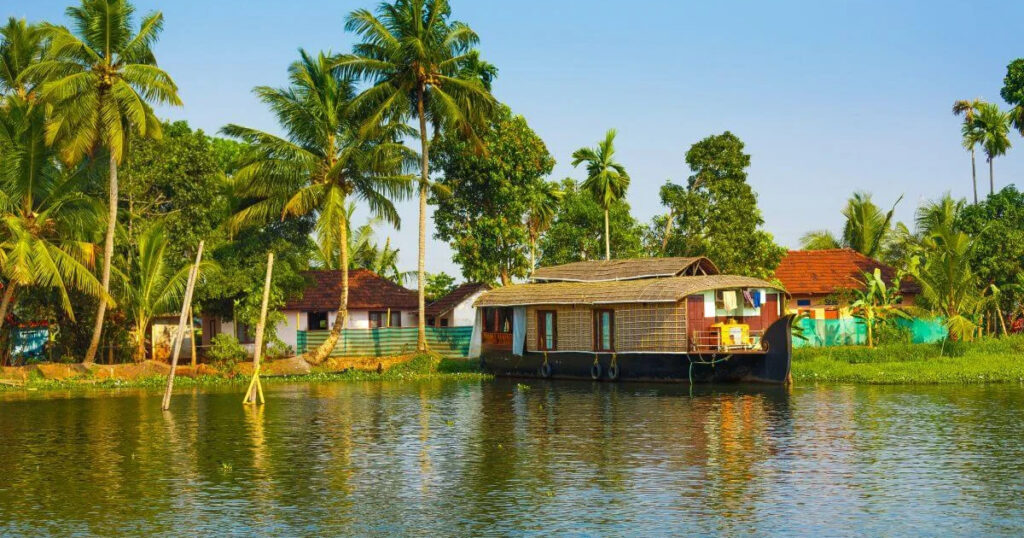
During the hot summer months, India’s various landscapes provide a variety of cool getaways. There’s a suitable hideaway for everyone, from tranquil hill settlements to picturesque lakes and luscious tea plantations. Whether you want to rest amidst natural beauty or go on an adventure, India has it all. These destinations are great for summer vacations due to their temperate weather, breathtaking scenery, and unique cultural experiences. Whether it’s exploring the highlands of Himachal Pradesh, trekking in Uttarakhand, or taking in the tranquil vibes of the Nilgiris, Here are 20 best places to visit in India during summer! These are the 20 best places to visit in India during summer! 1. Manali, Himachal Pradesh One of India’s most well-liked summer vacation spots, Manali is renowned for its pleasant climate, verdant surroundings, and adventurous activities. The village draws visitors looking for a tranquil getaway because of its gorgeous Himalayan views. How to Reach: By Air: Bhuntar Airport (50 km from Manali) By Train: Joginder Nagar Railway Station (165 km from Manali) By Road: Manali is well-connected by road via NH 3. Ideal Duration: 3-4 Days Things to Do in Manali: Rohtang Pass for snow activities Solang Valley for paragliding Visit Hidimba Devi Temple Trekking to Jogini Falls Places to Eat: Johnson’s Cafe The Lazy Dog Café 1947 Places To Stay: Manali Resort Apple Country Resort The Himalayan Village 2. Shimla, Himachal Pradesh The queen of hill stations, Shimla, is a must-see for everyone seeking a cool, pleasant summer vacation spot. Shimla, famous for its colonial architecture, breathtaking scenery, and lively bazaars, is the ideal place to escape the heat. How to Reach: By Air: Jubbarhatti Airport (23 km from Shimla) By Train: Shimla Railway Station By Road: Well-connected by NH 5. Ideal Duration: 2-3 Days Things to Do in Shimla: Ride the Shimla-Kalka Toy Train Visit Kufri for adventure activities Explore the Ridge and Mall Road Visit Jakhoo Temple Places to Eat: Café Sol The Oberoi Cecil’s Restaurant Indian Coffee House Places To Stay: Hotel Woodrina Shimla Golden Fern Resort Shimla Havens Resort 3. Darjeeling, West Bengal Darjeeling is a great destination for a cool summer vacation because of its tea gardens and breathtaking vistas of the Kanchenjunga. It is a well-liked vacation spot for both singles and families due to its lively culture and temperate climate. How to Reach: By Air: Bagdogra Airport (95 km from Darjeeling) By Train: New Jalpaiguri Railway Station (88 km) By Road: Accessible by NH 27. Ideal Duration: 3-4 Days Things to Do in Darjeeling: Visit Tiger Hill for sunrise Ride the Darjeeling Himalayan Railway (Toy Train) Explore Batasia Loop Visit the Peace Pagoda Places to Eat: Kunga Restaurant Glenary’s Bakery & Café The Park Restaurant Places To Stay: Windamere Hotel Mayfair Darjeeling The Elgin 4. Mussoorie, Uttarakhand Known as the “Queen of Hills,” Mussoorie is a quaint hill station with lovely natural settings and good weather. The area’s colonial elegance, verdant surroundings, and close proximity to Dehradun make it the perfect place to spend the summer. How to Reach: By Air: Jolly Grant Airport (59 km from Mussoorie) By Train: Dehradun Railway Station (35 km) By Road: NH 7 connects Mussoorie with major cities. Ideal Duration: 2-3 Days Things to Do in Mussoorie: Visit Kempty Falls Explore Gun Hill Trek to Lal Tibba Take a walk on Camel’s Back Road Places to Eat: Chic Chocolate Kalsang Friends Corner The Tavern Places To Stay: The Claridges Nabha Residence Mussoorie Gateway Royal Orchid Fort Resort 5. Nainital, Uttarakhand Nainital is a pleasant hill station that is well-known for its beautiful slopes and charming lakes. It is one of the greatest summer vacation spots in India because of its moderate summer temperatures and scenic surroundings. How to Reach: By Air: Pantnagar Airport (65 km from Nainital) By Train: Kathgodam Railway Station (35 km) By Road: Connected by NH 87. Ideal Duration: 2-3 Days Things to Do in Nainital: Boat ride in Naini Lake Visit Naina Devi Temple Explore Snow View Point Trek to Tiffin Top Places to Eat: The Machan Restaurant Chai Gully Cafe de Mall Places To Stay: The Naini Retreat Shervani Hilltop The Pavilion 6. Leh-Ladakh, Jammu & Kashmir Leh-Ladakh’s magnificent scenery is perfect for summer getaways since it combines culture, adventure, and scenic beauty. The monasteries, lakes, and high-altitude deserts in this area are well-known. How to Reach: By Air: Kushok Bakula Rimpochee Airport (Leh) By Road: Leh is accessible from Manali (490 km) and Srinagar (434 km). Ideal Duration: 5-6 Days Things to Do in Leh-Ladakh: Visit Pangong Lake Explore Nubra Valley Trek to Markha Valley Visit Thiksey Monastery Places to Eat: The Tibetan Kitchen Leh View Restaurant Lala’s Restaurant Places To Stay: The Grand Dragon Ladakh Ladakh Sarai Resort Zen Ladakh 7. Ooty, Tamil Nadu A popular summertime vacation in India is Ooty, which is situated in the Nilgiri Hills. Ooty, known for its temperate environment, lush tea farms, and picturesque scenery, is the ideal destination for a restful getaway. How to Reach: By Air: Coimbatore Airport (85 km from Ooty) By Train: Ooty Railway Station By Road: Well connected by NH 67. Ideal Duration: 2-3 Days Things to Do in Ooty: Boat ride at Ooty Lake Visit Botanical Gardens Explore Rose Garden Take a ride on the Nilgiri Mountain Railway Places to Eat: Earl’s Secret The Ooty Bakery Shinkow’s Chinese Restaurant Places To Stay: Sterling Ooty Fern Hill Savoy Ooty The Monarch 8. Almora, Uttarakhand Located in Uttarakhand’s Kumaon area, Almora is a charming mountainous station. Almora is a great place to get away from the summer heat because of its serene surroundings and stunning Himalayan views. How to Reach: By Air: Pantnagar Airport (120 km from Almora) By Train: Kathgodam Railway Station (80 km) By Road: Accessible by NH 87. Ideal Duration: 2-3 Days Things to Do in Almora: Visit Nanda Devi Temple Trek to Zero Point Explore Bright End Corner Shopping at the local markets Places to Eat: The Café Mall Road Restaurants Bhalu Gaad Places To Stay: Kasar
Best places to visit in Himachal Pradesh in winter

“Winters weave dreams of snow; Himachal makes them come true.” Himachal Pradesh transforms into a snowy wonderland every winter. Its snow-covered peaks and serene valleys will steal your heart. Adventure, solace, or love, whatever you are looking for – Himachal has it in all. Wondering where to start? Let me guide you through the best places to visit in Himachal Pradesh in winter. These places are a must-add to your bucket list! So, let’s explore the magic of this Himalayan paradise. Pack your bags, and get ready for this unforgettable winter trip! Here are the Best places to visit in Himachal Pradesh in winter Also Read: Top 5 Places To Visit In May, June, and July In India: Ideal Getaways 1. Start with Manali Distance: Chandigarh to Manali (310 km, 8-9 hours) Must-See Attractions: Crowd Tip: Visit Solang early morning to avoid the rush. Explore Old Manali for quieter cafés and trails. 2. Head to Shimla Distance: Manali to Shimla (250 km, 7-8 hours) Must-See Attractions: Crowd Tip: Visit Jakhoo Temple in the early hours for peace. Stay in Mashobra for a quieter experience. 3. Stop by Kufri Distance: Shimla to Kufri (16 km, 45 minutes) Must-See Attractions: Crowd Tip: Kufri gets busy by noon. Start your day early to enjoy the snow in solitude. 4. Move to Dharamshala Distance: Kufri to Dharamshala (220 km, 6-7 hours) Must-See Attractions: Crowd Tip: Avoid weekends for a calmer experience. Stay in Naddi for a peaceful retreat. 5. Relax in Dalhousie Distance: Dharamshala to Dalhousie (120 km, 4-5 hours) Must-See Attractions: Crowd Tip: Visit Khajjiar early to enjoy serenity. Take a picnic to the less crowded Dainkund Peak. 6. Explore Kasol Distance: Dalhousie to Kasol (250 km, 8-9 hours) Must-See Attractions: Crowd Tip: Stay in Tosh or Chalal for a quieter experience. 7. End at Kalpa Distance: Kasol to Kalpa (200 km, 6-7 hours) Must-See Attractions: Crowd Tip: Kalpa is less touristy; enjoy its solitude and pristine beauty at your own pace. Conclusion: Best places to visit in Himachal Pradesh in winter Himachal Pradesh in winter is a wonderful and perhaps adventurous dream. It is peaceful as well as very beautiful. Shimla has its old-world colonial charm while Kalpa has its vehicular tires and snowy greenness. In this winter travel itinerary, we provide detailed information on the best places to visit in Himachal Pradesh in winter, so as to enjoy the trip as much as possible.