
Best Time to Visit Spiti Valley: A Month-by-Month Travel Guide
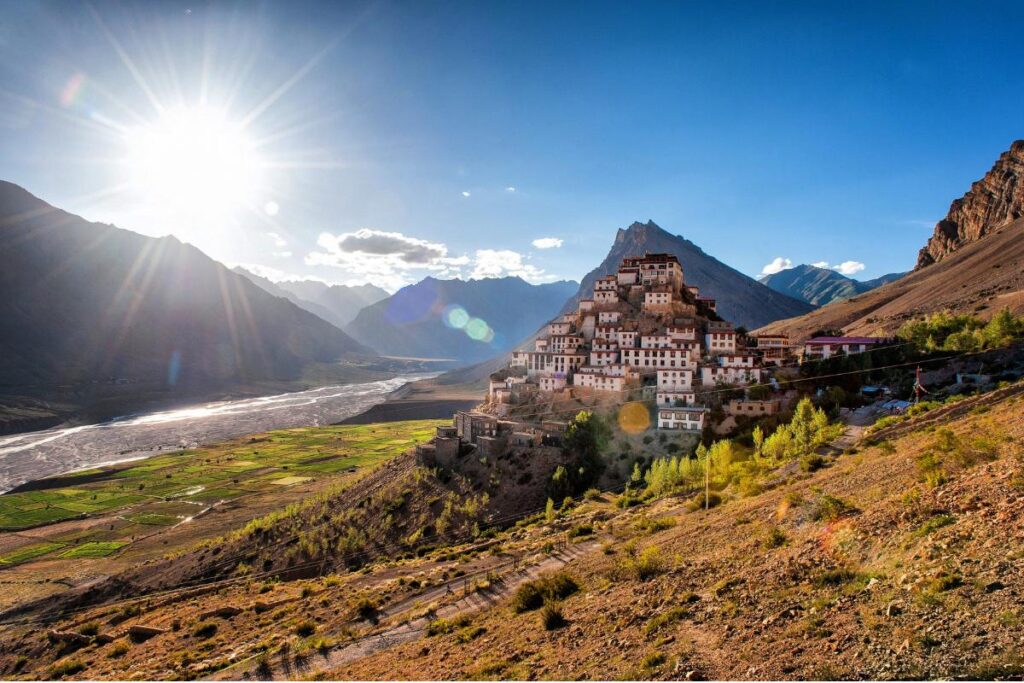
Have you ever felt like standing on the edge of the world? That’s exactly what Spiti Valley in Himachal Pradesh offers. Nestled in the lap of the Himalayas, Spiti Valley is a high-altitude cold desert that charms every traveler with its rugged terrain, ancient monasteries, starry skies, and silence that soothes the soul. But here’s the big question:What is the best time to visit Spiti Valley? The beauty of Spiti lies in its changing face throughout the year. Each month, from snow-covered winters to lush green summers, offers a unique experience. This month-by-month Spiti Valley travel guide will help you decide the Best Time to visit Spiti Valley. January – A Snowy Wonderland Temperature: -20°C to -5°CHighlights: Thick snow, frozen rivers, fairytale monasteries Spiti in January is for hardcore winter lovers and adventure seekers. Snow covers everything in sight. Only the Shimla route remains open, while the Manali route is shut. Stay in traditional homestays in Kaza and witness Spiti’s raw, frozen beauty. ✅ Tip: Carry heavy woollens, power banks, and consult locals for route updates. February – Snow Leopard Spotting Season Temperature: -18°C to -2°CHighlights: Snow-covered Kaza, wildlife sightings, untouched landscapes Still frozen, February in Spiti Valley offers a rare chance to spot the elusive snow leopard. With few tourists, this is a great month for solitude and wildlife photography. ✅ Tip: Consider traveling with experienced guides or wildlife experts. March – Winter’s Gentle Goodbye Temperature: -10°C to 5°CHighlights: Blue skies, patchy snow, dreamlike views As the valley slowly thaws, Spiti’s landscapes become a canvas of white and blue. Roads start improving, making it a good month for photographers and backpackers ready to brave a few hardships. April – The Awakening Begins Temperature: -5°C to 10°CHighlights: Apricot blossoms, village life, re-opening of guesthouses Spring slowly enters Spiti in April. Locals begin farming, kids return outdoors, and the valley regains life. While Manali route is still closed, the Shimla-Kaza road stays accessible. ✅ Stay Recommendation: Try Maitreya Mud House for an eco-luxury experience amidst blooming apricot trees. May – A Mix of Snow and Spring Temperature: 0°C to 15°CHighlights: Green valleys, snow at high altitudes, perfect road trip weather May is one of the best time to visit Spiti Valley. You get the best of both worlds—melting snow and blooming landscapes. It’s an ideal month for trekkers and first-time visitors. June – The Spiti Circuit Opens Up Temperature: 5°C to 20°CHighlights: Clear roads, full circuit via Manali, vibrant weather June is when Spiti Valley tourism peaks. The Manali-Kaza route opens, allowing you to complete the full Spiti circuit. Must-visit spots like Chandratal Lake, Hikkim, Komic, and Langza are fully accessible. ✅ Pro Tip: Book accommodations early—this is peak season! July – Green and Gorgeous Temperature: 8°C to 22°CHighlights: Greenery, bike trips, trekking, festivals July adds a lush green vibe to the valley. Snow vanishes, rivers run free, and festivals begin. A great month for photography, trekking, and exploring culture. ✅ Suggested Trek: The Dhankar Lake trek is highly recommended. August – Cultural Delight & Clear Weather Temperature: 10°C to 22°CHighlights: Festivals, homestays, traditional food August is all about connecting with Spiti’s culture. The weather stays pleasant, skies are clear, and local festivals offer deep insight into Buddhist traditions. ✅ Explore: Gue Mummy village, Tabo Monastery, and local kitchens. September – Golden Autumn Calm Temperature: 5°C to 18°CHighlights: Fewer tourists, autumn colors, ideal photography conditions Spiti in September turns golden as autumn sets in. It’s a peaceful month to visit, especially for couples, photographers, and slow travelers. Roads remain good, and the crowds thin out. ✅ Don’t Miss: Sunset at Key Monastery. It’s surreal. October – Rustic Charm Returns Temperature: -2°C to 15°CHighlights: Pre-winter calm, fewer tourists, rustic scenery October marks Spiti’s retreat into silence. With trees shedding and a chill in the air, the valley feels timeless. This is perfect for artists, solo travelers, and peaceful explorers. ✅ Pack Warm: Thermals, gloves, and layered clothing are essential. November – When Winter Knocks Temperature: -10°C to 5°CHighlights: Snow return, quiet roads, limited access November is challenging yet rewarding. Roads start freezing, but the Shimla route remains open. Spiti’s raw winter energy is for those ready to brave the cold. ✅ Good to Know: Monasteries may close doors to tourists this month. December – Himalayan Christmas & Silent Nights Temperature: -15°C to -2°CHighlights: Snowfall, minimal crowds, starry skies December brings a white Christmas in Spiti Valley. Snow begins to fall. Only essential services operate, but the peace and magic are unmatched. It’s ideal for those seeking spiritual or snowy solitude. ✅ Cozy Stay: Relax at Maitreya Regency for comfort and warmth. Conclusion: When Should You Visit Spiti Valley? There is no best time to visit Spiti Valley —your perfect month depends on what you seek. Whenever you go, make sure your stay complements the charm of Spiti. Choose Eco Hospitality—home to Maitreya Mud House and Maitreya Regency, designed to connect you with the valley’s heart.
Top 5 Places To Visit In May, June, and July In India: Ideal Getaways For A Refreshing Escape

India, with its diverse climate and breathtaking landscapes, offers some of the best summer destinations to escape the scorching heat. Places to visit in May, June, and July are ideal months for travelers to explore cool hill stations, picturesque valleys, and high-altitude towns that provide a refreshing break from the plains. We have curated a list of the top 5 places to visit during summer in India that promise not only scenic beauty but also adventure, cultural experiences, and complete rejuvenation. 1. Leh-Ladakh – The Land of High Passes Why Visit: Located in the northernmost region of India, Leh-Ladakh is a paradise for adventure seekers and nature lovers. The summer months from May to July open up the rugged mountain trails, serene lakes, and Buddhist monasteries for travel and exploration. Highlights: Temperature Range: 7°C to 21°CPerfect For: Adventure enthusiasts, photographers, spiritual travelers 2. Manali – The Evergreen Mountain Retreat Why Visit: Manali remains one of the most popular destinations in India, especially during May to July, when the lush green valleys, blooming flowers, and cool breeze make it a perfect retreat. Highlights: Temperature Range: 10°C to 25°CPerfect For: Families, honeymooners, backpackers 3. Munnar – Kerala’s Misty Gem Why Visit: Set in God’s Own Country, Munnar in Kerala is a serene escape with rolling tea gardens, cool climate, and abundant wildlife. The monsoon in July enhances its charm, making it a lush green paradise. Highlights: Temperature Range: 15°C to 25°CPerfect For: Nature lovers, honeymoon couples, birdwatchers 4. Spiti Valley – The Deserted Beauty of Himachal Why Visit: Tucked in the trans-Himalayan region, Spiti Valley is one of the best offbeat destinations in India. Accessible only during summer months, Spiti offers untouched natural beauty and spiritual calm. Highlights: Temperature Range: 5°C to 20°CPerfect For: Solo travelers, offbeat explorers, cultural enthusiasts 5. Tawang – North-East’s Hidden Treasure Why Visit: Situated in Arunachal Pradesh, Tawang offers a unique blend of Tibetan culture, alpine beauty, and adventure. This lesser-known gem is a perfect summer escape in India for those seeking peace and panoramic views. Highlights: Temperature Range: 5°C to 22°CPerfect For: Culture seekers, meditators, couples Travel Tips for a Perfect Summer Vacation in India Final Thoughts – Places to visit in May, June, and July Whether you’re seeking adventure in the Himalayas, tranquility in tea gardens, or cultural immersion in the Northeast, India’s summer destinations offer something for everyone. These top 5 places to visit in May, June, and July provide an escape from the heat and a gateway to some of the most mesmerizing experiences the country has to offer. Plan your summer getaway now and let these destinations refresh your soul and senses.
10 Offbeat Destinations in India You Must Visit Before They Get Crowded
India is a land of incredible diversity, offering travelers not just famous landmarks but also hidden gems waiting to be explored. If you’re a traveler who loves hidden places in India, offbeat travel spots, and less explored places, this list is for you. We’ve uncovered some of the most underrated yet breathtaking Offbeat Destinations in India that are still untouched by mainstream tourism. Visit these places before they become the next big thing! 1. Mawlynnong, Meghalaya – The Cleanest Village in Asia Tucked away in the lush green hills of Meghalaya, Mawlynnong is a picture-perfect village known for its cleanliness and sustainable tourism. Wander through bamboo bridges, explore the living root bridges, and soak in the stunning views from Sky Walk. Experience authentic Khasi hospitality while staying in eco-friendly homestays. 2. Gandikota, Andhra Pradesh – The Grand Canyon of India Often referred to as the Grand Canyon of India, Gandikota is a magnificent gorge carved by the Pennar River. The landscape is surreal, offering mesmerizing views of rocky cliffs and historic fort ruins. Adventure seekers can enjoy camping, trekking, and kayaking in the river. 3. Spiti Valley, Himachal Pradesh – The Land of Monasteries and Adventure Far from the bustling crowds of Ladakh, Spiti Valley is an untouched paradise for adventure lovers and spiritual seekers. This cold desert region is home to ancient monasteries, crystal-clear lakes, and some of the world’s highest villages like Komic and Langza. Experience local Tibetan culture while enjoying scenic road trips through the Himalayas. 4. Ziro Valley, Arunachal Pradesh – A Nature Lover’s Paradise Nestled in the northeastern state of Arunachal Pradesh, Ziro Valley is a lush green haven for nature lovers and music enthusiasts. Home to the Apatani tribe, this UNESCO World Heritage Site is famous for its rice fields, pine forests, and the iconic Ziro Music Festival, held annually amidst the stunning landscape. 5. Chitrakote Waterfalls, Chhattisgarh – The Niagara Falls of India Chhattisgarh is often overlooked by travelers, but Chitrakote Waterfalls is a sight to behold. This horseshoe-shaped waterfall on the Indravati River resembles the mighty Niagara Falls and is most spectacular during the monsoon season. The tribal culture and vibrant markets of Bastar add to the region’s charm. 6. Tawang, Arunachal Pradesh – A Himalayan Wonderland While many travelers head to Sikkim or Ladakh, Tawang remains an offbeat Himalayan destination with unparalleled beauty. Visit the Tawang Monastery, one of the largest in India, and enjoy mesmerizing views of snow-capped mountains, crystal-clear lakes, and breathtaking waterfalls. 7. Majuli, Assam – The World’s Largest River Island Situated on the Brahmaputra River, Majuli is the world’s largest river island and a hidden cultural treasure of India. Known for its ancient monasteries, vibrant Satriya dance performances, and sustainable living, Majuli offers a unique experience for those seeking peace and cultural immersion. 8. Kinnaur, Himachal Pradesh – The Land of Fairy Tales If you’re looking for less explored places in India, Kinnaur is a must-visit. Surrounded by snow-capped peaks and apple orchards, this valley is home to some of the most picturesque villages like Kalpa, Sangla, and Chitkul. The blend of Hindu and Buddhist cultures makes it an intriguing destination for spiritual travelers. 9. Lonar Crater, Maharashtra – A Mysterious Meteoric Wonder Did you know that Maharashtra is home to a 50,000-year-old crater formed by a meteorite impact? Lonar Crater is a geological wonder with a unique ecosystem, alkaline lake, and ancient temples. Scientists and curious travelers alike visit this site to witness one of Earth’s rarest natural formations. 10. Bhimbetka Rock Shelters, Madhya Pradesh – Prehistoric Caves with Rock Art For history enthusiasts, the Bhimbetka Rock Shelters offer a fascinating glimpse into prehistoric India. These UNESCO-listed caves feature rock paintings that date back over 30,000 years, depicting the lives of early humans. The serene surroundings and ancient heritage make it a must-visit for those interested in archaeology. Final Thoughts for Offbeat Destinations in India India is full of surprises, and these Offbeat Destinations in India prove that adventure lies beyond the well-trodden tourist trails. Whether you’re seeking nature, culture, adventure, or history, these hidden places in India offer a unique and authentic travel experience. Plan your next journey to one of these lesser-known destinations before they get crowded!
10 Best Road Trips in India – Scenic Routes You Must Explore
India is a paradise for road trip lovers. From the snow-clad Himalayas to the sun-kissed beaches of Goa, every journey offers a mesmerizing experience. Whether you are an adventure seeker or a nature lover, road trips in India offer breathtaking views and unforgettable memories. Here are the best road journeys you must explore for an extraordinary travel experience. 1. Manali to Leh – The Ultimate Himalayan Adventure One of the most iconic scenic drives in India, the Manali to Leh road trip is a dream for adventure enthusiasts. Covering approximately 480 km, this route takes you through the stunning Rohtang Pass, Baralacha La, and Tanglang La. Highlights: Best Time to Visit: June to September 2. Mumbai to Goa – The Ultimate Coastal Drive The Mumbai to Goa road trip via NH66 is a classic journey that blends scenic beauty with adventure. Covering approximately 600 km, this drive offers lush green landscapes, stunning beaches, and mouthwatering seafood. Highlights: Best Time to Visit: October to March 3. Delhi to Agra via Yamuna Expressway – The Fastest and Smoothest Drive For those who love a quick yet mesmerizing road trip, the Delhi to Agra journey is a must. The Yamuna Expressway spans 165 km, making it one of the fastest road trips in India. Highlights: Best Time to Visit: October to March 4. Bangalore to Ooty – The Enchanting Nilgiris This scenic drive in India takes you from Bangalore to the lush green hills of Ooty, covering approximately 270 km. The drive through Bandipur National Park adds an adventurous touch. Highlights: Best Time to Visit: October to June 5. Chennai to Pondicherry – The Picturesque East Coast Road The Chennai to Pondicherry road trip via the East Coast Road (ECR) is a scenic delight, spanning 160 km along the Bay of Bengal coastline. Highlights: Best Time to Visit: October to February 6. Guwahati to Tawang – The Majestic Northeast Journey The Guwahati to Tawang road trip is an offbeat adventure covering 520 km through the mesmerizing landscapes of Arunachal Pradesh. Highlights: Best Time to Visit: March to October 7. Ahmedabad to Kutch – The Great Rann Experience This road trip in India takes you from Ahmedabad to the vast white desert of Kutch, covering 400 km. Highlights: Best Time to Visit: November to February (during Rann Utsav) 8. Jaipur to Jaisalmer – The Desert Road Adventure This road trip in Rajasthan spans approximately 560 km, offering an enchanting journey through golden sand dunes. Highlights: Best Time to Visit: October to March 9. Shillong to Cherrapunji – The Meghalaya Marvel This scenic drive in India covers just 54 km but offers unmatched beauty, passing through lush green landscapes and misty hills. Highlights: Best Time to Visit: September to May 10. Spiti Valley Circuit – A Thrilling Himalayan Expedition One of the most adventurous Best road trips in India, the Spiti Valley circuit covers around 600 km through the rugged terrains of Himachal Pradesh. Highlights: Best Time to Visit: June to October Final Thoughts: For Best Road Trips in India India offers some of the most breathtaking road trips in the world, catering to every kind of traveler. Whether it’s the Himalayas, coastal drives, deserts, or tea gardens, each journey offers a unique experience. So, pack your bags, fuel up your vehicle, and hit the road for an adventure of a lifetime.
Best Honeymoon Destinations in India 2025 – Romantic Getaways for Couples

Your honeymoon is not just a vacation; it’s the beginning of a new chapter filled with love and adventure. If you’re planning your dream honeymoon in 2025, India offers the Best Honeymoon destinations that go beyond the usual clichés. This guide brings you hidden gems, offbeat locations, and luxurious experiences for an unforgettable romantic escape. 1. Andaman’s Secret Islands – The Maldives of India Escape the crowds and indulge in the untouched beauty of India’s Andaman Islands. While Havelock and Neil Islands are popular, explore lesser-known islands like Long Island and Lalaji Bay Beach for a secluded paradise. Enjoy private beachside candlelight dinners, snorkeling in crystal-clear waters, and bioluminescent beach walks at night. 2. Ziro Valley, Arunachal Pradesh – A Fairytale Escape If you and your partner love nature and tranquility, Ziro Valley is the perfect romantic retreat. Surrounded by lush green meadows, bamboo huts, and breathtaking views of the Eastern Himalayas, this place is a dreamland. Enjoy hand-in-hand walks in pine forests, explore local Apatani culture, and camp under the starlit sky for an intimate experience. 3. Munnar, Kerala – Romantic Tea Garden Stays Ditch the usual beach honeymoons and indulge in the misty charm of Munnar. Stay in cozy treehouses overlooking tea plantations, go for a sunrise trek to Meesapulimala, and enjoy a couple’s spa with Ayurvedic therapies. The cool climate and picturesque landscapes make Munnar a perfect romantic retreat. 4. Gokarna, Karnataka – The Untouched Beach Haven Want a Goa-like experience but without the crowd? Gokarna is your answer. It’s a peaceful coastal town where you can enjoy private beach strolls, bonfire nights, and luxurious beach resorts. Explore hidden beaches like Half Moon and Paradise Beach, where you can kayak and watch magical sunsets with your loved one. 5. Spiti Valley, Himachal Pradesh – Romance in the Cold Desert For adventure-loving couples, Spiti Valley offers a raw, rugged beauty that is unmatched. Experience a magical honeymoon amidst snow-covered mountains, remote monasteries, and frozen lakes. Stay in cozy homestays, go on a thrilling road trip, and gaze at the Milky Way from Chandratal Lake. 6. Meghalaya’s Living Root Bridges – Love Amidst Nature Step into a real-life fairy tale in Meghalaya, where you can walk on centuries-old living root bridges hand in hand. Visit Dawki’s crystal-clear river, experience underground caves, and stay in a riverside treehouse at Shnongpdeng. The lush landscapes and cool weather make Meghalaya an enchanting honeymoon spot. 7. Udaipur, Rajasthan – A Royal Love Affair Live your Maharaja-Maharani fantasy with a honeymoon in Udaipur, the City of Lakes. Stay in heritage palaces like Taj Lake Palace or The Leela, take a romantic boat ride on Lake Pichola, and indulge in a luxurious candlelit dinner overlooking the City Palace. The regal charm of Udaipur makes it one of the best honeymoon destinations in India. 8. Lakshadweep – India’s Hidden Tropical Paradise If you’re looking for an international island experience without leaving India, Lakshadweep is a must-visit. With its white-sand beaches, turquoise waters, and private island resorts, it’s perfect for couples seeking exclusivity. Go scuba diving, enjoy sunset cruises, and relish fresh seafood delicacies. 9. Coorg, Karnataka – Scotland of India Coorg is the perfect mix of nature and luxury. Experience coffee plantation stays, trek to Abbey Falls, and enjoy a rejuvenating couple’s spa. The misty hills, aromatic coffee estates, and cozy homestays make it a top pick for honeymooners who want peace and romance. 10. Tawang, Arunachal Pradesh – Snowy Honeymoon Bliss For couples who love snow, Tawang offers breathtaking landscapes, Buddhist monasteries, and scenic lakes like Madhuri Lake. Take a road trip to Sela Pass, cozy up in wooden cottages, and enjoy the peaceful mountain vibes with your partner. Honeymoon Travel Tips for 2025 Final Thoughts A honeymoon should be more than just a trip—it should be an experience filled with unforgettable memories. Whether you’re seeking beaches, mountains, or cultural extravagance, India has something extraordinary to offer in 2025. Choose the Best Honeymoon destinations that resonate with your love story and make the most of your romantic getaway.
Chandratal Lake – The Moon Lake of Himachal Pradesh

Introduction to Chandratal Lake Nestled at an altitude of 4,250 meters (13,940 feet) in the Himalayan region of Himachal Pradesh, Chandratal Lake, or the Moon Lake, is one of the most breathtaking high-altitude lakes in India. Located in the Spiti Valley, this lake attracts trekkers, nature lovers, and adventure seekers from around the globe. Its pristine blue waters, set against the backdrop of snow-capped peaks, create a mesmerizing and surreal landscape. The Legend of Chandratal Lake The name “Chandratal” translates to “Lake of the Moon,” owing to its crescent shape. According to Hindu mythology, Chandratal is believed to be the site where Lord Indra’s chariot picked up Yudhishthira, the eldest Pandava, and ascended to heaven. This sacred association adds a spiritual aura to the already mystical charm of the lake. How to Reach Chandratal Lake By Road The most common way to reach Chandratal Lake is via Manali or Kaza. By Trekking Best Time to Visit Chandratal Lake The best time to visit Chandratal Lake is between June and September, when the weather is pleasant, and the lake’s waters reflect a spectacular turquoise blue hue. Winters are extremely harsh, with the lake completely frozen, making it inaccessible. Weather at Chandratal Lake Flora and Fauna Around Chandratal Lake Despite its high altitude, Chandratal Lake is surrounded by a diverse ecosystem. During summer, the meadows around the lake bloom with colorful alpine flowers, adding to its enchanting beauty. Wildlife Sightings Trekking at Chandratal Lake Chandratal Lake is a key stop on several trekking routes, attracting hikers from around the world. Popular Treks to Chandratal Lake Camping at Chandratal Lake Camping near Chandratal Lake is an unforgettable experience. Several campsites operate near the lake, offering basic amenities. Camping Essentials Note: Camping directly by the lake is prohibited to protect the fragile ecosystem. Campsites are available 2 km away from the lake. Photography and Stargazing at Chandratal Lake For photographers, Chandratal Lake is a paradise. The reflections of the snow-clad peaks on the lake’s surface create a surreal setting. At night, the absence of city lights makes it a prime location for stargazing and astrophotography. Things to Keep in Mind While Visiting Chandratal Lake Conclusion Chandratal Lake is an untouched paradise that offers breathtaking views, thrilling trekking routes, and an unparalleled camping experience. Whether you are an adventure seeker, a nature lover, or a spiritual traveler, this Himalayan jewel is a must-visit destination.
Dhankhar Monastery / Dhankhar Gompa: A Majestic Marvel in the Spiti Valley

Nestled in the breathtaking Spiti Valley of Himachal Pradesh, Dhankhar Monastery, also known as Dhankhar Gompa, is one of the most spectacular and historically significant Buddhist monasteries in India. Perched precariously on a cliff at an altitude of 3,894 meters, it overlooks the confluence of the Spiti and Pin Rivers, offering a stunning panorama that captivates visitors. The word Dhankhar translates to “fort on a cliff” in the local dialect, reflecting its strategic location. This ancient monastery belongs to the Gelugpa sect of Tibetan Buddhism and houses a rich collection of Buddhist scriptures, thangkas (Tibetan paintings), and ancient murals that depict the deep-rooted Buddhist heritage of the region. Historical Significance of Dhankhar Monastery Dating back over 1,000 years, Dhankhar Monastery is believed to have been constructed during the rule of the Guge Kingdom of Western Tibet. Historically, Dhankhar served as the capital of the Spiti Valley and was home to the local rulers, known as the Nono Kings. The monastery has been an essential center for learning, meditation, and Buddhist teachings. Monks have inhabited Dhankhar Gompa for centuries, preserving its legacy of spiritual knowledge and ancient Buddhist practices. Despite enduring harsh weather and occasional seismic activities, the monastery stands as a testament to traditional Tibetan architecture and resilience. Architectural Brilliance of Dhankhar Monastery Dhankhar Monastery is an architectural marvel built in the traditional mud and stone style that is characteristic of Tibetan monasteries in high-altitude regions. The monastery is uniquely perched on a fragile cliffside, making it one of the most visually striking structures in the Spiti Valley. Key Architectural Highlights: Spiritual and Cultural Importance Dhankhar Gompa is not just a monastery; it is a spiritual center for Tibetan Buddhism. Monks residing in the monastery engage in daily prayers, rituals, and Buddhist teachings that uphold the traditions passed down through generations. During special occasions, such as Buddhist festivals, the monastery becomes a hub of activity, with monks performing sacred rituals, mask dances, and prayer ceremonies. One of the most celebrated events at the monastery is the Cham Dance, where monks dressed in elaborate costumes perform traditional Tibetan masked dances. Best Time to Visit Dhankhar Monastery The best time to explore Dhankhar Monastery is from May to September, when the roads leading to Spiti Valley are accessible and the weather is pleasant. Seasonal Overview: How to Reach Dhankhar Monastery By Road: By Air: By Rail: Nearby Attractions in Spiti Valley 1. Dhankhar Lake A 45-minute uphill trek from the monastery leads to the mesmerizing Dhankhar Lake, a pristine high-altitude lake offering breathtaking views of the valley. 2. Tabo Monastery Located 45 km from Dhankhar, Tabo Monastery is one of the oldest Buddhist monasteries in the Himalayas and is often referred to as the “Ajanta of the Himalayas” due to its ancient murals. 3. Pin Valley National Park A paradise for nature lovers and wildlife enthusiasts, Pin Valley National Park is home to rare species like the snow leopard, ibex, and Tibetan wolf. 4. Key Monastery Situated around 32 km from Kaza, Key Monastery is the largest and most renowned monastery in Spiti Valley, attracting monks and travelers alike. Accommodation Near Dhankhar Monastery Visitors can find homestays, guesthouses, and small lodges in Dhankhar Village and nearby Kaza. Conclusion Dhankhar Monastery is not just a spiritual retreat but a cultural and architectural gem that continues to be a beacon of Tibetan Buddhist traditions. Its historic importance, breathtaking location, and spiritual serenity make it a must-visit destination in Spiti Valley. Whether you are an adventure enthusiast, a spiritual seeker, or a history buff, Dhankhar Gompa offers an experience unlike any other.
Kaza – The Heart of Spiti
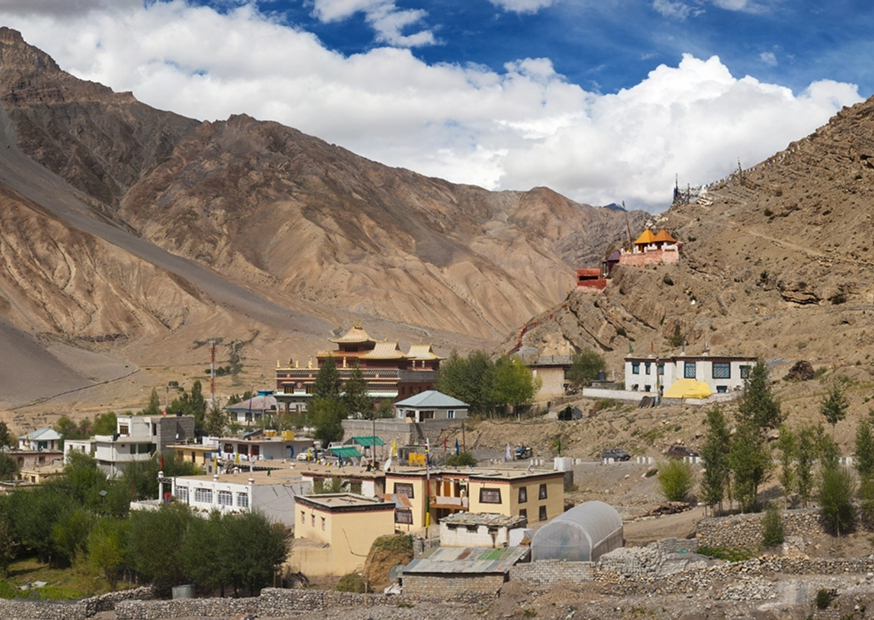
Nestled in the breathtaking Spiti Valley, Kaza stands as a mesmerizing destination that captivates travelers with its unspoiled beauty, rugged landscapes, and ancient monasteries. Situated at an altitude of 3,650 meters, Kaza serves as the administrative headquarters of Spiti Valley, making it the cultural and economic hub of this high-altitude desert. Geographical Significance of Kaza Located in Himachal Pradesh, Kaza is surrounded by towering mountains, pristine rivers, and some of the most challenging terrains in India. The Spiti River flows through this picturesque town, providing life to the region’s settlements and offering a stunning contrast to the stark yet striking landscapes. Best Time to Visit Kaza Kaza experiences extreme weather conditions due to its high-altitude location. The best time to visit is between May and October when the roads are accessible, and the weather is pleasant. Winters, however, bring sub-zero temperatures and heavy snowfall, cutting off the valley from the rest of the country. How to Reach Kaza By Road By Air The nearest airport to Kaza is Bhuntar Airport (Kullu), approximately 250 km away. From there, travelers can hire taxis or take buses to reach Kaza. By Train The closest railway station is in Shimla, from where one can embark on a scenic road journey to Kaza via Reckong Peo. Top Attractions in Kaza 1. Key Monastery One of the most iconic landmarks near Kaza, Key Monastery (Kye Gompa), is perched at 4,166 meters and is the largest monastery in Spiti Valley. Dating back to over 1,000 years, it offers panoramic views of the valley and serves as an important learning center for Tibetan Buddhism. 2. Kibber Village Located around 18 km from Kaza, Kibber is one of the highest motorable villages in the world. It provides an authentic experience of traditional Spitian lifestyle and is a great place for spotting rare wildlife such as the Snow Leopard and Blue Sheep. 3. Hikkim – The World’s Highest Post Office A short drive from Kaza leads to Hikkim, home to the highest post office in the world. Sending a postcard from Hikkim Post Office is a unique experience cherished by travelers. 4. Langza – The Fossil Village Langza, also known as the Fossil Village, is famous for its rich deposits of marine fossils that date back millions of years. The towering Buddha statue overlooking the valley adds to its spiritual and aesthetic appeal. 5. Chandratal Lake Although located a few hours from Kaza, Chandratal Lake is a must-visit. This crescent-shaped lake reflects the changing hues of the sky and is one of the most mesmerizing sights in Spiti Valley. Activities to Do in Kaza 1. Trekking and Hiking Kaza serves as the base for several treks, including the Parang La Trek, which connects Spiti to Ladakh, and the challenging Pin Parvati Trek. 2. River Rafting Adventure seekers can indulge in river rafting in the Spiti River, navigating through the thrilling rapids while soaking in the raw beauty of the valley. 3. Camping Under the Stars Camping in Kaza offers a surreal experience, with crystal-clear night skies that are perfect for stargazing. The region’s high altitude and lack of light pollution make it an ideal spot for astrophotography. 4. Exploring Local Markets Kaza’s bustling local markets offer an array of Tibetan handicrafts, prayer flags, woolen shawls, and souvenirs. The Kaza Bazaar is an excellent place to explore the local culture and cuisine. Where to Stay in Kaza Kaza offers a range of accommodations, from budget homestays to comfortable guesthouses and hotels. Some of the best options include: Local Cuisine of Kaza Food in Kaza is deeply influenced by Tibetan and Himachali flavors. Some must-try dishes include: Responsible Tourism in Kaza Given Kaza’s fragile ecosystem, responsible tourism is crucial. Travelers should: Conclusion Kaza, the heart of Spiti, is a destination like no other. Whether you are an adventure enthusiast, a spiritual seeker, or simply a nature lover, Kaza promises an unforgettable experience amidst its raw and mystical landscapes. With its monasteries, treks, wildlife, and breathtaking scenery, Kaza is undoubtedly one of India’s most extraordinary travel destinations.
Key Monastery: A Spiritual Marvel in the Himalayas
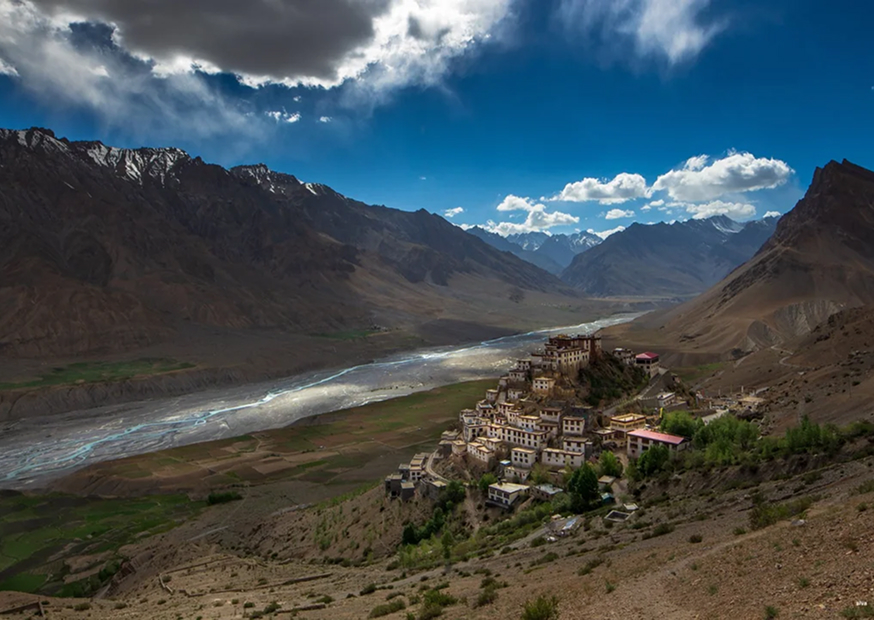
Nestled in the breathtaking Spiti Valley of Himachal Pradesh, Key Monastery (also spelled as Ki, Kee, or Kye) stands as a timeless symbol of Tibetan Buddhist heritage, resilience, and spiritual enlightenment. With its stunning hilltop location at an altitude of 4,166 meters (13,668 feet) above sea level, this monastery is the largest and most important religious institution in Spiti. Dating back to the 11th century, Key Monastery has withstood invasions, natural calamities, and political turmoil, yet remains an active center for Buddhist learning. The monastery houses priceless ancient manuscripts, vibrant murals, rare thangkas, and an awe-inspiring collection of Buddha idols. Historical Significance of Key Monastery Key Monastery’s origins trace back to the 11th century, and it is believed to have been founded by Dromton, a disciple of Atisha, the great Buddhist scholar. Over the centuries, the monastery has endured several invasions and attacks from Mongol invaders and suffered destruction due to earthquakes and fires. Despite these adversities, it has been meticulously restored and continues to thrive as a key hub for Buddhist teachings. During the 17th century, the monastery was reconstructed in the fortified Tibetan architectural style, a reflection of the tumultuous times when monasteries doubled as fortresses to protect against invaders. The monastery still retains its unique structure with a series of interconnected rooms, narrow corridors, and prayer halls stacked atop one another, resembling a traditional Tibetan fort. Architectural Grandeur of Key Monastery One of the most fascinating aspects of Key Monastery is its unique architectural style, which showcases an amalgamation of Tibetan, Indo-Tibetan, and monastic influences. The structure is built in the form of a fortress with several whitewashed buildings stacked in a pyramidal fashion. Key Features of the Monastery’s Architecture: Religious and Cultural Importance Key Monastery serves as the spiritual and cultural epicenter of Spiti Valley. It belongs to the Gelugpa (Yellow Hat) sect of Tibetan Buddhism, the same lineage followed by the Dalai Lama. Functions and Role in Buddhism: How to Reach Key Monastery Key Monastery is located 14 km from Kaza, the administrative capital of Spiti Valley. Despite its remote location, it is accessible via multiple routes: By Road: By Air: By Rail: Best Time to Visit Key Monastery The ideal time to visit Key Monastery is from May to September, when the roads are accessible, and the weather is pleasant. Experiences Around Key Monastery 1. Stay at the Monastery Visitors can stay overnight at Key Monastery, experiencing monastic life firsthand. The accommodation is basic, with simple dormitories and traditional meals. 2. Interact with Monks Engage with monks to learn about Tibetan Buddhism, meditation techniques, and their daily routines. 3. Explore Nearby Attractions 4. Photography and Trekking Capture the stunning landscapes of Spiti Valley, with its barren mountains, winding rivers, and snow-capped peaks. Trekking routes around Key Monastery offer thrilling adventures for nature lovers and trekkers. Conclusion Key Monastery is more than just an architectural marvel; it is a gateway to spirituality, Tibetan culture, and unparalleled Himalayan beauty. Whether you seek spiritual enlightenment, cultural immersion, or a journey into the pristine landscapes of Spiti, this monastery remains an unmissable destination.
Komic – The Highest Village in the World
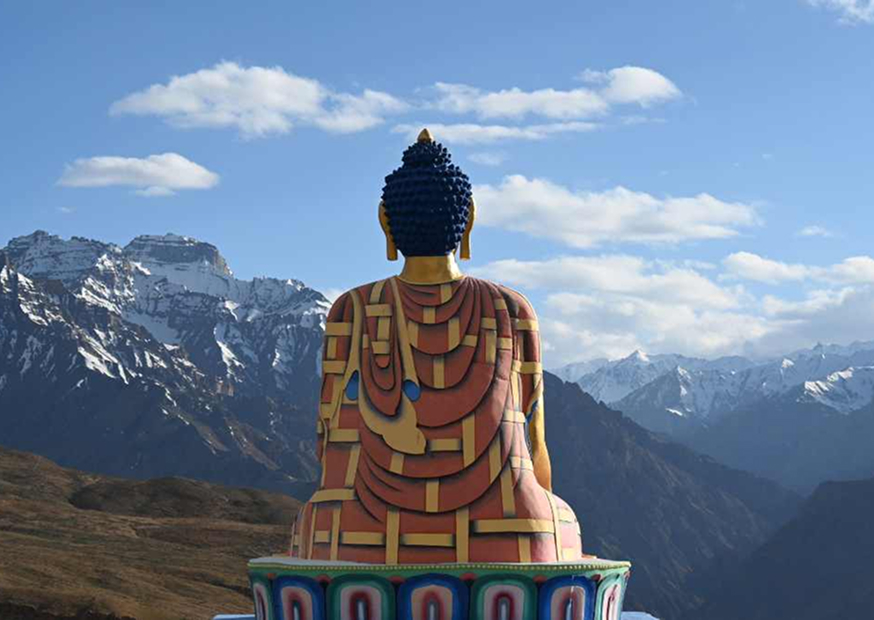
Introduction to Komic – The World’s Highest Village Nestled in the breathtaking Spiti Valley of Himachal Pradesh, India, Komic holds the distinction of being the highest motorable village in the world. Sitting at an astounding altitude of 4,587 meters (15,050 feet) above sea level, this remote hamlet offers awe-inspiring landscapes, a rich cultural heritage, and an unparalleled travel experience. The Geographic Marvel of Komic Komic is surrounded by the majestic Himalayan mountains, vast barren landscapes, and crystal-clear skies, making it one of the most picturesque destinations in India. The village is located approximately 18 kilometers from Kaza, the sub-divisional headquarters of Spiti Valley, and is accessible via a winding but scenic road. Climate and Best Time to Visit Due to its extreme altitude, Komic experiences a cold desert climate with long, harsh winters and short, cool summers. How to Reach Komic By Road By Air By Public Transport Must-Visit Attractions in Komic 1. Komic Monastery (Tangyud Monastery) One of the highest monasteries in the world, Tangyud Monastery is a must-visit. This Buddhist monastery, built in the 14th century, is an architectural masterpiece and a spiritual retreat for many travelers. 2. Breathtaking Himalayan Views The panoramic views from Komic are unmatched, offering a clear sight of snow-capped mountains, deep valleys, and the vast Tibetan Plateau. 3. Fossil Exploration Spiti Valley is a treasure trove of marine fossils, dating back to the Tethys Sea era. Travelers can explore fossil-rich areas near Komic and nearby Langza village. 4. Hikkim – The World’s Highest Post Office Just a short drive from Komic, Hikkim village is home to the world’s highest post office at 4,440 meters. Sending a postcard from here is an unforgettable experience! 5. Langza – The Fossil Village Another nearby attraction, Langza village, is famous for its fossil remains and a giant Buddha statue overlooking the valley. Cultural Heritage and Local Lifestyle The village is home to traditional Spitian houses, built using mud and stones, providing insulation against extreme weather. The local cuisine, mainly consisting of Thukpa (Tibetan noodle soup), Tsampa (barley flour), and Butter Tea, reflects the Tibetan influence on the region. The warm and welcoming local community primarily follows Buddhism and celebrates festivals like Losar (Tibetan New Year) and Gustor Festival with great enthusiasm. Things to Keep in Mind While Visiting Komic Conclusion Also Read- Best Time to Visit Spiti Valley: A Month-by-Month Travel Guide Visiting Komic is a once-in-a-lifetime experience for adventure seekers, nature lovers, and cultural explorers. Whether it’s the stunning landscapes, ancient monasteries, or the serene isolation, Komic offers an unforgettable journey into the roof of the world.
Pin Valley National Park: A Complete Travel Guide

Nestled in the cold desert region of Himachal Pradesh, Pin Valley National Park is a breathtaking natural reserve located in the Spiti Valley. This high-altitude park, established in 1987, is famous for its snow-capped peaks, diverse flora and fauna, and serene landscapes. The park spans an area of 970 square kilometers, extending from Kaza to the Great Himalayan National Park. It is a paradise for nature lovers, wildlife enthusiasts, and adventure seekers. How to Reach Pin Valley National Park By Air The nearest airport is Bhuntar Airport in Kullu, about 250 km from Kaza, the gateway to Pin Valley. From Bhuntar, travelers can hire a taxi or take a bus to Kaza. By Rail The nearest railway station is Joginder Nagar, around 360 km from Kaza. From here, taxis and buses provide transport to the valley. By Road The most popular route is via Manali to Kaza, covering around 200 km via Rohtang Pass and Kunzum Pass. Alternatively, one can reach from Shimla via Kinnaur, a longer but scenic route. Best Time to Visit Pin Valley National Park The ideal time to visit is between May and October, when the weather is pleasant. Winter months (November to April) experience heavy snowfall, making access difficult. Summer and early autumn are the best periods for trekking and spotting wildlife. Flora and Fauna of Pin Valley National Park Wildlife in Pin Valley Pin Valley National Park is home to the elusive snow leopard, one of the most sought-after wildlife sightings in the region. Other wildlife species include: Birds in Pin Valley Birdwatchers can enjoy spotting Tibetan Snowfinches, Golden Eagles, and Chukar Partridges. The region’s high-altitude cold desert ecosystem provides an ideal habitat for many unique species. Flora of Pin Valley Despite being a cold desert, the valley boasts a variety of medicinal plants and herbs, some of which are used in Tibetan medicine. The landscape is dotted with alpine meadows, juniper shrubs, and wildflowers during the summer months. Top Attractions in Pin Valley National Park 1. Mud Village Mud Village is the last inhabited village in the valley, known for its traditional mud houses and Buddhist culture. It serves as the base for many treks into the park. 2. Kungri Monastery One of the oldest monasteries in Spiti, Kungri Monastery belongs to the Nyingma sect of Tibetan Buddhism. It hosts the famous Chaam Dance Festival, an exciting cultural experience. 3. Tailing Hanging Bridge This thrilling suspension bridge offers panoramic views of the Pin River and surrounding mountains, making it a must-visit spot for adventure lovers. 4. Pin-Parvati Pass Trek This challenging trek connects Pin Valley to Parvati Valley, offering breathtaking landscapes and high-altitude adventure. It is recommended for experienced trekkers. 5. Bhaba Pass Trek A beautiful trek linking Pin Valley to Kinnaur, featuring lush green meadows, snow bridges, and mesmerizing mountain views. Things to Do in Pin Valley National Park 1. Wildlife Photography Capture stunning images of rare species like the snow leopard, Himalayan ibex, and red fox in their natural habitat. 2. Trekking Expeditions Explore thrilling trails such as the Pin-Parvati Trek, Bhaba Pass Trek, and Mudh Village hikes. 3. Experience Local Culture Stay with locals in traditional Spitian homestays, learn about Buddhist customs, and try authentic Spitian cuisine. 4. Camping Under the Stars Camping in Pin Valley offers an unmatched experience of solitude and serenity, with clear night skies filled with stars. Accommodation Options in Pin Valley 1. Homestays Mud Village and nearby settlements offer affordable and comfortable homestays with warm hospitality. 2. Guesthouses Simple yet cozy guesthouses are available in Kaza and surrounding villages, providing basic amenities. 3. Camping For adventure lovers, camping is a great option. However, it is recommended to carry your own camping gear due to limited facilities. Travel Tips for Pin Valley National Park Conclusion Also Rea: Tabo Monastery: The Ajanta of the Himalayas Pin Valley National Park is a hidden gem of Himachal Pradesh, offering breathtaking landscapes, unique wildlife, and rich cultural heritage. Whether you seek adventure, wildlife exploration, or a peaceful retreat, this park has something for everyone. Plan your journey wisely and immerse yourself in the pristine beauty of Spiti’s wilderness.
Tabo Monastery: The Ajanta of the Himalayas
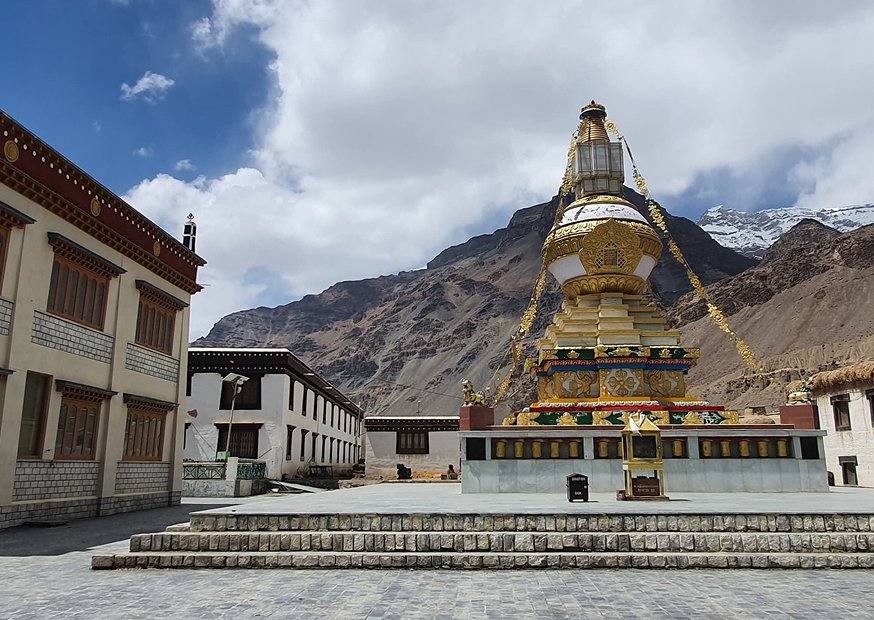
Nestled in the serene Spiti Valley of Himachal Pradesh, Tabo Monastery is an ancient Buddhist site renowned for its spiritual, historical, and artistic significance. Founded in 996 AD by the revered Tibetan Buddhist Lotsawa Rinchen Zangpo, this monastery is often referred to as the “Ajanta of the Himalayas” due to its intricate frescoes and stucco sculptures. Situated at an altitude of 3,280 meters (10,760 feet) above sea level, the monastery stands as a beacon of Tibetan Buddhism, attracting monks, scholars, and travelers from across the world. History and Significance of Tabo Monastery Tabo Monastery is considered one of the oldest continuously functioning Buddhist monasteries in the world. Established under the patronage of the Guge Kingdom, it has served as an essential center for Buddhist learning and meditation for over a millennium. Unlike other monasteries perched on hilltops, Tabo Monastery sits in a valley, symbolizing its accessibility to all seekers of wisdom. The monastery belongs to the Gelugpa sect of Tibetan Buddhism but originally followed the Kadampa tradition before the Gelugpa school took prominence. It is also home to one of the oldest monastic complexes in India, making it a crucial site for historians, archaeologists, and spiritual practitioners alike. Architectural Marvel of Tabo Monastery The Main Temple Complex The Tsuglagkhang (Main Temple) is the heart of Tabo Monastery. Its mud-brick walls, adorned with intricate murals and thangkas, preserve some of the finest specimens of Indo-Tibetan Buddhist art. The temple houses exquisite stucco sculptures of bodhisattvas, beautifully painted mandalas, and detailed depictions of the life of the Buddha. The Nine Temples of Tabo The Tabo monastery complex consists of nine temples, each with a distinct architectural and artistic style: Cave Meditation Cells Above the monastery, in the rugged cliffs, are numerous caves used by monks for meditation and retreat. These caves, carved into the mountains, have been an integral part of the monastery since its inception and serve as sites of deep contemplation and spiritual practice. The Rich Artwork and Murals of Tabo Monastery The murals and frescoes of Tabo Monastery are among its most prized treasures. These paintings, which cover the inner walls of the temples, depict Buddhist deities, mandalas, Jataka tales, and intricate symbols of Tantric Buddhism. The paintings are influenced by the Ajanta caves, with vivid colors and detailed expressions that bring the narratives to life. The monastery also features wooden sculptures, stucco figures, and ancient manuscripts, making it an unparalleled repository of Buddhist art and culture. Due to the fragility of the artwork, preservation efforts are continuously undertaken to protect these invaluable relics from environmental wear and time-induced deterioration. Festivals and Spiritual Significance Tabo Monastery hosts several important Buddhist festivals and rituals throughout the year. One of the most celebrated events is the Kalachakra Initiation, a sacred Buddhist practice introduced by the 14th Dalai Lama, which draws thousands of devotees from across the globe. Other significant occasions include: How to Reach Tabo Monastery By Air The nearest airport is Bhuntar Airport (Kullu-Manali Airport), approximately 250 km from Tabo. However, the best option is Chandigarh Airport, which offers better connectivity. By Road Tabo is well connected by road via the Shimla-Kaza Highway. The journey involves crossing high-altitude passes such as Kunzum Pass and Rohtang Pass. The nearest major town is Reckong Peo, from where regular buses and taxis are available. By Train The closest railway station is in Shimla, from where travelers can continue by road to reach Tabo via Reckong Peo and Kaza. Best Time to Visit Tabo Monastery The ideal time to visit Tabo Monastery is from May to October, when the weather is pleasant and the roads remain accessible. During winters, heavy snowfall makes travel challenging, but the monastery in its snow-covered glory is a breathtaking sight for those who can endure the harsh conditions. Accommodation Options Near Tabo Monastery Tabo offers a range of guesthouses, homestays, and monastery lodges for travelers. The monastery itself provides basic accommodation for visitors seeking an immersive spiritual experience. Some popular options include: Conclusion Also Read: Kaza – The Heart of Spiti Tabo Monastery is not just a religious site but a living testament to the rich heritage of Tibetan Buddhism. Its historical significance, architectural grandeur, and spiritual aura make it a must-visit destination for those seeking peace, knowledge, and artistic inspiration. Whether you are a devout Buddhist, a history enthusiast, or an avid traveler, Tabo Monastery promises an unforgettable journey into the heart of Himalayan spirituality and culture.
Hikkim – The World’s Highest Post Office

Introduction to Hikkim Post Office Nestled in the remote Spiti Valley of Himachal Pradesh, India, the Hikkim Post Office holds the title of the world’s highest post office. Located at an astonishing altitude of 4,440 meters (14,567 feet) above sea level, this post office is not only a significant landmark but also a lifeline for the local residents. Established in 1983, it serves as a crucial communication link for the people of this high-altitude region. Geographical and Climatic Challenges Hikkim is situated in one of the most isolated and rugged terrains in the world. The climatic conditions here are extreme, with temperatures dropping as low as -30°C in winter. The region remains cut off from the rest of the world for nearly six months due to heavy snowfall, making postal services even more essential. The journey to Hikkim is arduous, requiring travelers to navigate narrow, winding roads that are often prone to landslides and avalanches. Functioning of the Hikkim Post Office Despite the harsh conditions, the Hikkim Post Office operates diligently. It is a small mud-brick structure run by Postmaster Rinchen Chhering, who has been serving in this capacity for several decades. The post office handles both mail delivery and banking services, acting as a financial institution for the locals who have limited access to modern banking facilities. Each day, a postal runner carries letters and packages on foot or by bicycle to Kaza, the nearest town, from where the mail is distributed across India and beyond. Given the absence of high-speed internet in the region, many travelers and locals still rely on traditional mail services to send letters and postcards. A Popular Tourist Attraction Apart from serving as a functional post office, Hikkim has become a popular tourist destination. Visitors from across the globe come to mail postcards from this extraordinary location, ensuring their letters bear the unique postmark of the highest post office in the world. Sending a postcard from Hikkim has become a bucket-list activity for adventurers, trekkers, and travel enthusiasts. Additionally, many tourists take delight in purchasing specially designed postcards and stamps, which serve as memorable souvenirs of their visit. The experience of posting a letter from such an extreme altitude is one-of-a-kind and resonates deeply with travelers. The Significance of Hikkim Post Office 1. Bridging Communication Gaps Due to its remote location, Hikkim has limited access to modern communication technologies like mobile networks and the internet. The post office plays a crucial role in keeping families connected, especially for those whose loved ones work in different parts of India. 2. Economic Support for Locals The Hikkim Post Office doubles as a savings bank, allowing villagers to deposit and withdraw money. For many residents, this is their only means of accessing financial services. The post office facilitates transactions that help sustain the local economy. 3. A Historical and Cultural Landmark The post office represents the resilience of the Himalayan communities and showcases the ability of human settlements to thrive in the harshest environments. It stands as a testament to India’s vast and diverse postal network, which remains functional even in the most challenging landscapes. How to Reach Hikkim Post Office 1. From Manali to Kaza 2. From Kaza to Hikkim Best Time to Visit Hikkim Post Office The ideal time to visit Hikkim is between June and September when the roads remain accessible, and the weather is relatively pleasant. During winter, the region experiences heavy snowfall, making travel extremely difficult. Things to Do in Hikkim 1. Send a Postcard Writing and sending a postcard from the world’s highest post office is an experience like no other. Travelers cherish the feeling of their letters journeying from the remote Himalayan village to destinations worldwide. 2. Explore the Local Villages Nearby villages such as Langza and Komic offer breathtaking landscapes, ancient monasteries, and a glimpse into the traditional Spitian way of life. 3. Visit the Key Monastery A short drive from Hikkim, the Key Monastery is a must-visit. This ancient Buddhist monastery is the largest in Spiti Valley and offers panoramic views of the surrounding mountains. 4. Trekking and Adventure The rugged terrain of Spiti Valley offers numerous trekking routes for adventure enthusiasts. Treks to Chandratal Lake, Pin Valley, and Dhankar Monastery are popular among trekkers visiting the region. Conclusion: Hikkim – The World’s Highest Post Office Also Read: 20 Best Places to Visit in India During Summer: Cool Escapes for Your Vacation The Hikkim Post Office is not just a postal facility; it is an emblem of human perseverance and connectivity in one of the most challenging terrains on Earth. Whether you visit to send a letter, explore the breathtaking landscapes, or experience the simplicity of Himalayan life, Hikkim promises an unforgettable journey.
Spiti Valley – A Complete Travel Guide
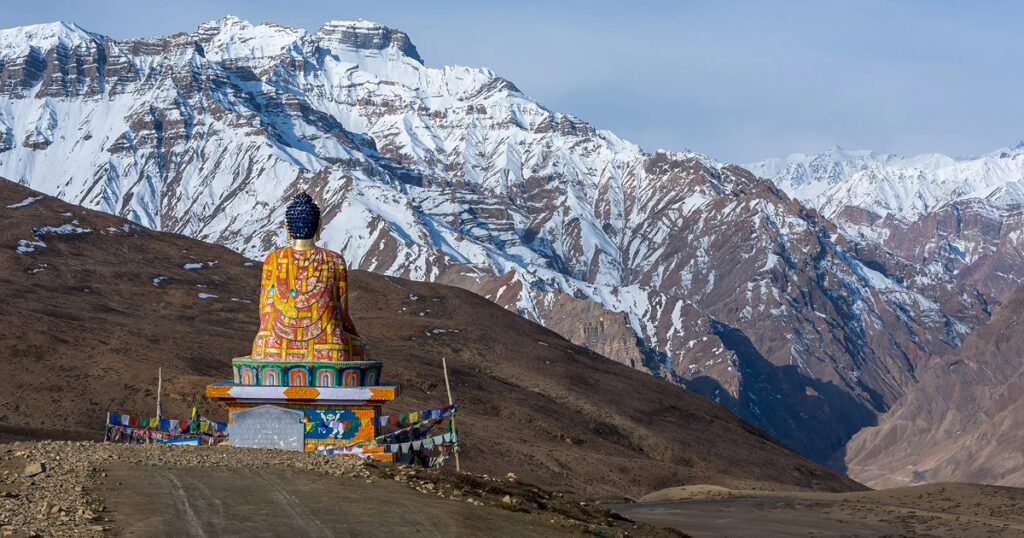
Introduction to Spiti Valley Nestled in the Himalayan mountains of Himachal Pradesh, Spiti Valley is a paradise for travelers seeking adventure, serenity, and breathtaking landscapes. Known as the ‘Middle Land’ between India and Tibet, Spiti Valley boasts mesmerizing barren mountains, ancient monasteries, pristine rivers, and high-altitude villages. Unlike the popular tourist destinations of Himachal Pradesh, Spiti remains an untouched and less-commercialized gem, making it an ideal place for offbeat travelers. The valley offers a unique blend of Tibetan culture and Buddhist heritage, seen in its centuries-old monasteries and traditional villages. Spiti is also home to some of the highest motorable roads, treacherous mountain passes, and isolated villages, making it a thrilling destination for adventure seekers. Spiti is a land of stunning contrasts – from the lush green landscapes near Kinnaur to the stark, cold desert terrain of the valley itself. The rugged beauty of Spiti, with its awe-inspiring mountain peaks, gushing rivers, and vast open skies, is nothing short of magical. If you are planning a visit, this complete guide will help you make the most of your trip. How to Reach Spiti Valley Spiti Valley is accessible via two primary routes, each offering a distinct travel experience: 1. Reaching Spiti from Manali (Via Rohtang Pass & Kunzum Pass) 2. Reaching Spiti from Shimla (Via Kinnaur & Reckong Peo) Best Time to Visit Spiti Valley The best time to explore Spiti Valley depends on the kind of experience you seek: 1. Summer (May to September) – Best for sightseeing & adventure 2. Winter (October to April) – Best for snow lovers Top Places to Visit in Spiti Valley 1. Kaza – The Heart of Spiti Kaza is the largest town in Spiti Valley and serves as a base for travelers. It offers accommodations, cafes, and local markets. Don’t miss the Key Monastery, Hikkim Post Office, and Komic Village from here. 2. Key Monastery One of the most iconic monasteries in Spiti, the Key Monastery is over 1,000 years old. Perched on a hilltop, it provides stunning panoramic views of the valley. 3. Chandratal Lake – The Moon Lake A crystal-clear high-altitude lake, Chandratal is known for its mesmerizing reflections of the surrounding peaks. Camping here under the starry night sky is a must-do. 4. Tabo Monastery Often called the ‘Ajanta of the Himalayas’, Tabo Monastery is one of the oldest Buddhist monasteries in India, housing ancient murals and scriptures. 5. Hikkim – The World’s Highest Post Office Located at 4,440 meters, Hikkim has the world’s highest post office, where you can send postcards to your loved ones from the roof of the world. 6. Komic – The Highest Village in the World Komic, at 4,587 meters, is among the highest motorable villages in the world. It is famous for its Tangyud Monastery and breathtaking views. 7. Pin Valley National Park Home to the rare snow leopard, Pin Valley National Park is a paradise for wildlife enthusiasts and trekkers. 8. Dhankar Monastery & Dhankar Lake Perched on a cliff, Dhankar Monastery offers spellbinding views of the valley. A short trek leads to Dhankar Lake, a peaceful retreat amidst the mountains. Conclusion Spiti Valley is a dream destination for travelers who love untouched nature, Buddhist culture, and thrilling adventures. Whether it’s exploring monasteries, trekking to hidden lakes, or camping under the stars, Spiti offers an experience of a lifetime. Plan your trip wisely and embrace the serenity of this Himalayan wonderland.
Offbeat Summer Destinations in India: Hidden Gems for Your Next Escape

India has some of the most magnificent summer destinations, but many tourists return to the same well-known hill stations year after year. India has hidden gems that offer tranquillity, breathtaking landscapes, and one-of-a-kind cultural experiences. Explore these offbeat summer destinations in India that promise an unforgettable retreat away from the bustling tourist crowds. These are the Top Offbeat Summer Destinations in India Also Read: Best Solo Travel Destinations in 2025 1. Tawang, Arunachal Pradesh – The Monastic Retreat Tawang, located at 10,000 feet, is a lovely town famed for its old Buddhist monasteries, clean lakes, and stunning valleys. The Tawang Monastery, one of India’s largest, offers spiritual solace amidst the magnificent Himalayas. Sela Pass, a high-altitude mountain pass that remains snow-covered even in the summer, is a popular destination for nature enthusiasts. Tawang’s attractiveness is enhanced by the crystal-clear Shonga-tser Lake and the roaring Nuranang Falls, making it a must-see destination for anyone seeking calm. 2. Ziro Valley, Arunachal Pradesh – The Land of the Apatanis Ziro Valley, home to the Indigenous Apatani tribe, is a nature lover’s heaven. It is surrounded by lush green paddy fields and pine forests, providing an immersive cultural experience. If visitors visit during the correct season, they can go on natural treks, see tribal settlements, and attend the renowned Ziro Music Festival. The valley’s cool temperature provides an ideal getaway from the sweltering summer heat. 3. Spiti Valley, Himachal Pradesh – The Cold Desert Spiti Valley is an unspoiled beauty of arid landscapes, historic monasteries, and stunning high-altitude lakes. The valley is home to the Key Monastery, the oldest in the region, which provides breathtaking views. Adventurers can visit Chandratal Lake, a crescent-shaped lake noted for its reflected blue waters, or hike to Dhankar Lake for an unforgettable panoramic view of the Himalayas. Spiti’s raw beauty makes it a dream destination for photographers and trekkers alike. 4. Kausani, Uttarakhand – The Switzerland of India Kausani, located in the Kumaon region, is a lesser-known hill station with amazing views of the Trishul, Nanda Devi, and Panchachuli peaks. Kausani is ideal for visitors seeking tranquility, with tea gardens, lush green valleys, and breathtaking sunrise vistas. Visit Anasakti Ashram, where Mahatma Gandhi stayed, or go hiking to Rudradhari Falls for a soothing experience. 5. Tirthan Valley, Himachal Pradesh – A Paradise for Nature Lovers Tirthan Valley, located in the Great Himalayan National Park, is an undiscovered gem for those seeking unspoiled natural beauty. This valley is ideal for hiking, trout fishing, and animal spotting. The lush green meadows, flowing rivers, and apple orchards make for a lovely hideaway. A visit to Serolsar Lake and the mythical Jalori Pass enhances the allure of Tirthan Valley. 6. Munsiyari, Uttarakhand – The Trekker’s Paradise Munsiyari, also known as the ‘Little Kashmir’ of Uttarakhand, is a picturesque hill station with amazing views of the Panchachuli ranges. Trekkers flock to this location to take on the Milam Glacier and Ralam Glacier trip. The Birthi Falls, Maheshwari Kund, and Thamri Kund are must-see destinations for nature enthusiasts seeking refuge in the Himalayas. 7. Lambasingi, Andhra Pradesh – The Kashmir Lambasingi is one of the rare areas in South India that receive snowfall. It provides a pleasant respite with its lush forests, foggy hills, and coffee farms. Lambasingi is a popular camping, trekking, and nature walk destination that offers a surreal experience, particularly in the early morning hours when the mist creates a lovely environment. 8. Chikmagalur, Karnataka – The Coffee Land of India Chikmagalur is an unusual hill station famed for its expansive coffee plantations and verdant sceneries. Visitors can explore Karnataka’s tallest peak, Mullayanagiri, climb via Baba Budangiri, or relax at Hebbe Falls and Kudremukh National Park. Coffee lovers should visit a coffee plantation for an unforgettable coffee-brewing experience. 9. Haflong, Assam – The Only Hill Station of Assam Haflong, Assam’s sole hill station, is a picturesque wonder, with rolling green hills, azure lakes, and a thriving tribal culture. A visit to Haflong Lake provides chances for boating and bird watching. The surrounding Jatinga Village is well-known for the inexplicable phenomena of bird suicides. Haflong is a popular summer destination for adventure seekers because of its walking paths and paragliding opportunities. 10. Majuli, Assam – The Largest River Island in the World Majuli, located in the Brahmaputra River, is a tranquil and culturally significant river island. Majuli, known for its Satras (Vaishnavite monasteries), provides insight into Assam’s distinct past. Visitors can ride bicycles around the island, see Kamalabari Satra, and connect with the Mishing tribe. The island’s rustic appeal and rich foliage make it an ideal off-beat summer retreat. 11. Kanyakumari, Tamil Nadu – Where Oceans Meet Kanyakumari, India’s southernmost tip, is where the Arabian Sea, Bay of Bengal, and Indian Ocean meet. It is well-known for its breathtaking sunrise and sunset vistas, and major attractions include the Vivekananda Rock Memorial, Thiruvalluvar Statue, and Kanyakumari Temple. Its calm beaches, rich cultural legacy, and breathtaking coastline views make it a great summer destination for those seeking peace and spiritual renewal. 12. Malana, Himachal Pradesh – The Ancient Himalayan Village Malana is an interesting destination for individuals looking for an out of the ordinary and magical getaway. Malana is known for its seclusion and ancient rituals, and its unusual social structure and self-governance have earned it the nickname ‘Village of Taboos’. The journey to Malana provides stunning views of the Parvati Valley, and visitors may immerse themselves in the village’s unique culture, sacred shrines, and natural beauty. Final Thoughts: Offbeat Summer Destinations in India India is home to numerous offbeat summer destinations that offer spectacular landscapes, cultural richness, and peaceful getaways. Whether you seek adventure, solitude, or cultural immersion, these hidden gems promise a memorable travel experience away from crowded tourist spots. Plan your next summer escape to these lesser-known paradises and immerse yourself in the untouched beauty of India.
Mysterious Lake in Himachal Pradesh Called Chandratal Lake
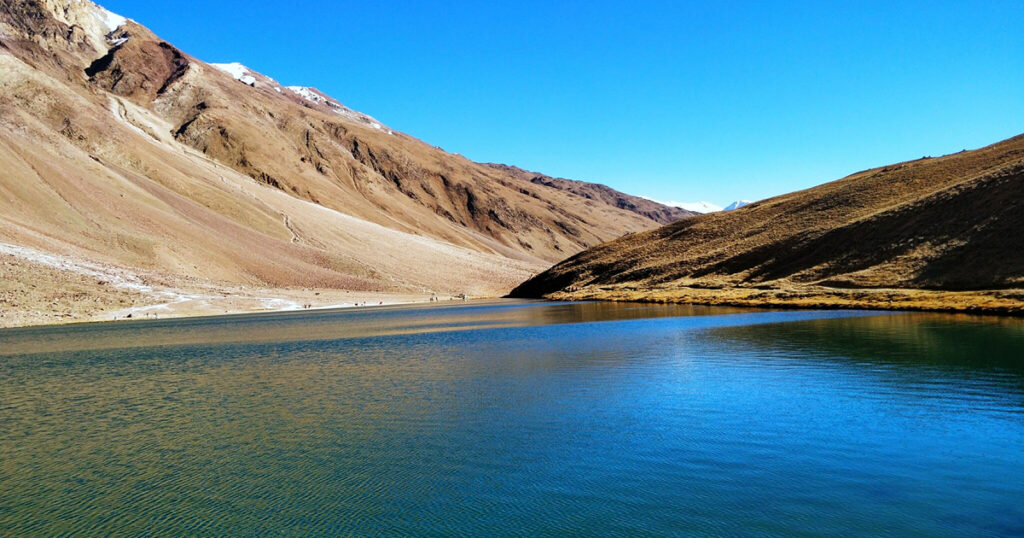
Introduction Nestled amidst the rugged and breathtaking terrain of the Lahaul and Spiti region of Himachal Pradesh, Chandratal Lake is a mystical, crescent-shaped water body that has captivated travelers, trekkers, and nature enthusiasts for centuries. This enchanting lake, sitting at an altitude of 4,300 meters (14,100 feet) above sea level, offers a surreal experience with its pristine blue waters reflecting the majestic Himalayan peaks. Known as the “Lake of the Moon,” Chandratal is shrouded in myths, legends, and extraordinary natural beauty that make it one of the most fascinating travel destinations in India. Also Read: Best Time to Visit Chandratal Lake The Mesmerizing Beauty of Chandratal Surrounded by snow-clad mountains and lush green meadows, Chandratal Lake transforms dramatically with the changing seasons. During summer, the lake appears in stunning shades of turquoise, emerald green, and deep blue, while in winter, it remains frozen under a thick layer of ice. The contrast between the arid Spiti landscape and the vibrant hues of the lake makes it a photographer’s paradise and a dream destination for adventure seekers. Mythological and Historical Significance Chandratal is steeped in folklore and mythology. According to Hindu legends, the lake is believed to be the spot where Lord Indra’s chariot picked up Yudhishthira, the eldest of the Pandavas, taking him to heaven in his mortal form. This spiritual significance makes it a revered site among pilgrims and devotees. Additionally, Chandratal is considered a source of immense positive energy and has been a place of meditation for sages and monks over centuries. How to Reach Chandratal Lake By Air The nearest airport is Bhuntar Airport in Kullu, approximately 190 km from Chandratal. From there, one can hire a taxi or take a bus to Manali, followed by a rugged journey to Batal, which is the last motorable point. By Road The most popular route to Chandratal is via Manali – Rohtang Pass – Gramphu – Batal – Chandratal. The distance from Manali to Chandratal is around 140 km, but the road conditions are challenging due to rough terrain and unpredictable weather. By Trekking For trekking enthusiasts, the Hampta Pass Trek offers an incredible journey from Manali to Chandratal, covering lush valleys, alpine forests, and breathtaking landscapes. The trek takes around 4-5 days and is considered moderate in difficulty. Best Time to Visit Chandratal The best time to visit Chandratal Lake is between June and September, when the snow has melted, and the roads are accessible. During this period, the weather is pleasant, with temperatures ranging between 5°C to 20°C. The lake remains frozen from October to May, making it almost impossible to visit due to heavy snowfall. Things to Do at Chandratal 1. Camping by the Lake Since there are no permanent accommodations near Chandratal, camping is the only option. Several eco-friendly camping sites are available 2 km away from the lake, providing a unique opportunity to experience the wilderness under a starlit sky. 2. Trekking and Hiking Chandratal serves as a base for multiple trekking expeditions, including the Hampta Pass Trek and the Baralacha La Trek. These treks offer stunning views of the Himalayas and an adventurous experience. 3. Photography and Sightseeing The scenic beauty of Chandratal is unmatched, making it a paradise for photographers. The reflections of the surrounding peaks in the crystal-clear water provide breathtaking frames. 4. Stargazing and Night Photography Due to minimal light pollution, Chandratal is one of the best places for stargazing. The Milky Way, shooting stars, and constellations can be seen in their full glory, making it a surreal experience. Important Travel Tips Conclusion – Visit Chandratal Lake: A Breathtaking Himalayan Gem in Lahaul-Spiti Chandratal Lake, with its ethereal beauty, spiritual significance, and adventure-filled surroundings, is truly a must-visit destination in Himachal Pradesh. Whether you seek peace, thrill, or a connection with nature, Chandratal has something for every traveler. Plan your trip wisely and immerse yourself in the mesmerizing charm of this celestial lake.
20 Best Places to Visit in India During Summer: Cool Escapes for Your Vacation
During the hot summer months, India’s various landscapes provide a variety of cool getaways. There’s a suitable hideaway for everyone, from tranquil hill settlements to picturesque lakes and luscious tea plantations. Whether you want to rest amidst natural beauty or go on an adventure, India has it all. These destinations are great for summer vacations due to their temperate weather, breathtaking scenery, and unique cultural experiences. Whether it’s exploring the highlands of Himachal Pradesh, trekking in Uttarakhand, or taking in the tranquil vibes of the Nilgiris, Here are 20 best places to visit in India during summer! These are the 20 best places to visit in India during summer! 1. Manali, Himachal Pradesh One of India’s most well-liked summer vacation spots, Manali is renowned for its pleasant climate, verdant surroundings, and adventurous activities. The village draws visitors looking for a tranquil getaway because of its gorgeous Himalayan views. How to Reach: By Air: Bhuntar Airport (50 km from Manali) By Train: Joginder Nagar Railway Station (165 km from Manali) By Road: Manali is well-connected by road via NH 3. Ideal Duration: 3-4 Days Things to Do in Manali: Rohtang Pass for snow activities Solang Valley for paragliding Visit Hidimba Devi Temple Trekking to Jogini Falls Places to Eat: Johnson’s Cafe The Lazy Dog Café 1947 Places To Stay: Manali Resort Apple Country Resort The Himalayan Village 2. Shimla, Himachal Pradesh The queen of hill stations, Shimla, is a must-see for everyone seeking a cool, pleasant summer vacation spot. Shimla, famous for its colonial architecture, breathtaking scenery, and lively bazaars, is the ideal place to escape the heat. How to Reach: By Air: Jubbarhatti Airport (23 km from Shimla) By Train: Shimla Railway Station By Road: Well-connected by NH 5. Ideal Duration: 2-3 Days Things to Do in Shimla: Ride the Shimla-Kalka Toy Train Visit Kufri for adventure activities Explore the Ridge and Mall Road Visit Jakhoo Temple Places to Eat: Café Sol The Oberoi Cecil’s Restaurant Indian Coffee House Places To Stay: Hotel Woodrina Shimla Golden Fern Resort Shimla Havens Resort 3. Darjeeling, West Bengal Darjeeling is a great destination for a cool summer vacation because of its tea gardens and breathtaking vistas of the Kanchenjunga. It is a well-liked vacation spot for both singles and families due to its lively culture and temperate climate. How to Reach: By Air: Bagdogra Airport (95 km from Darjeeling) By Train: New Jalpaiguri Railway Station (88 km) By Road: Accessible by NH 27. Ideal Duration: 3-4 Days Things to Do in Darjeeling: Visit Tiger Hill for sunrise Ride the Darjeeling Himalayan Railway (Toy Train) Explore Batasia Loop Visit the Peace Pagoda Places to Eat: Kunga Restaurant Glenary’s Bakery & Café The Park Restaurant Places To Stay: Windamere Hotel Mayfair Darjeeling The Elgin 4. Mussoorie, Uttarakhand Known as the “Queen of Hills,” Mussoorie is a quaint hill station with lovely natural settings and good weather. The area’s colonial elegance, verdant surroundings, and close proximity to Dehradun make it the perfect place to spend the summer. How to Reach: By Air: Jolly Grant Airport (59 km from Mussoorie) By Train: Dehradun Railway Station (35 km) By Road: NH 7 connects Mussoorie with major cities. Ideal Duration: 2-3 Days Things to Do in Mussoorie: Visit Kempty Falls Explore Gun Hill Trek to Lal Tibba Take a walk on Camel’s Back Road Places to Eat: Chic Chocolate Kalsang Friends Corner The Tavern Places To Stay: The Claridges Nabha Residence Mussoorie Gateway Royal Orchid Fort Resort 5. Nainital, Uttarakhand Nainital is a pleasant hill station that is well-known for its beautiful slopes and charming lakes. It is one of the greatest summer vacation spots in India because of its moderate summer temperatures and scenic surroundings. How to Reach: By Air: Pantnagar Airport (65 km from Nainital) By Train: Kathgodam Railway Station (35 km) By Road: Connected by NH 87. Ideal Duration: 2-3 Days Things to Do in Nainital: Boat ride in Naini Lake Visit Naina Devi Temple Explore Snow View Point Trek to Tiffin Top Places to Eat: The Machan Restaurant Chai Gully Cafe de Mall Places To Stay: The Naini Retreat Shervani Hilltop The Pavilion 6. Leh-Ladakh, Jammu & Kashmir Leh-Ladakh’s magnificent scenery is perfect for summer getaways since it combines culture, adventure, and scenic beauty. The monasteries, lakes, and high-altitude deserts in this area are well-known. How to Reach: By Air: Kushok Bakula Rimpochee Airport (Leh) By Road: Leh is accessible from Manali (490 km) and Srinagar (434 km). Ideal Duration: 5-6 Days Things to Do in Leh-Ladakh: Visit Pangong Lake Explore Nubra Valley Trek to Markha Valley Visit Thiksey Monastery Places to Eat: The Tibetan Kitchen Leh View Restaurant Lala’s Restaurant Places To Stay: The Grand Dragon Ladakh Ladakh Sarai Resort Zen Ladakh 7. Ooty, Tamil Nadu A popular summertime vacation in India is Ooty, which is situated in the Nilgiri Hills. Ooty, known for its temperate environment, lush tea farms, and picturesque scenery, is the ideal destination for a restful getaway. How to Reach: By Air: Coimbatore Airport (85 km from Ooty) By Train: Ooty Railway Station By Road: Well connected by NH 67. Ideal Duration: 2-3 Days Things to Do in Ooty: Boat ride at Ooty Lake Visit Botanical Gardens Explore Rose Garden Take a ride on the Nilgiri Mountain Railway Places to Eat: Earl’s Secret The Ooty Bakery Shinkow’s Chinese Restaurant Places To Stay: Sterling Ooty Fern Hill Savoy Ooty The Monarch 8. Almora, Uttarakhand Located in Uttarakhand’s Kumaon area, Almora is a charming mountainous station. Almora is a great place to get away from the summer heat because of its serene surroundings and stunning Himalayan views. How to Reach: By Air: Pantnagar Airport (120 km from Almora) By Train: Kathgodam Railway Station (80 km) By Road: Accessible by NH 87. Ideal Duration: 2-3 Days Things to Do in Almora: Visit Nanda Devi Temple Trek to Zero Point Explore Bright End Corner Shopping at the local markets Places to Eat: The Café Mall Road Restaurants Bhalu Gaad Places To Stay: Kasar