
Complete Guide to Triyuginarayan Temple Wedding in 2026
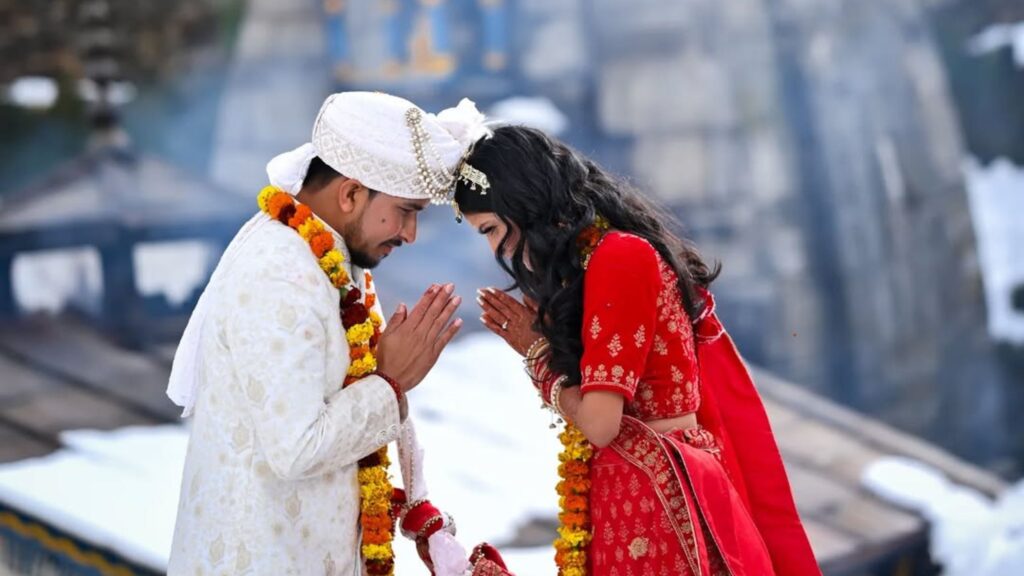
Dreaming of a divine wedding surrounded by the snow-clad peaks of the Himalayas? A Triyuginarayan Temple Wedding is more than just a ceremony – it’s a sacred union in the same temple where, according to Hindu mythology, Lord Shiva and Goddess Parvati tied the knot. Couples from across India and abroad are now choosing this temple in Uttarakhand as a spiritual and unforgettable wedding destination.In this guide, you’ll find everything you need to know about planning your wedding at Triyuginarayan Temple in 2026 – from rituals and costs to the best time, travel details, and planning tips Why Choose Triyuginarayan Temple for Your Wedding? Must Read: Best December Holiday Destinations in Asia You Must Visit Mythological and Spiritual Significance According to legends from the Skanda Purana, Triyuginarayan is the exact spot where Lord Shiva wed Goddess Parvati after years of penance. Lord Vishnu is said to have played the role of Parvati’s brother during the wedding. The Akhand Dhuni (ever-burning flame) is the central attraction – couples collect ash from the fire as a blessing of everlasting love. Wedding Rituals at Triyuginarayan Temple A Triyuginarayan Temple Wedding typically includes: Blessings from Devotees & Priests – Completing the holy union. Cost of a Triyuginarayan Temple Wedding in 2026 Planning a temple wedding here is much more affordable compared to luxury destination weddings. Here’s an approximate breakdown: Also Read: View Wedding Prices of 2026 Expense Category Estimated Cost (INR) Temple Permission & Ritual Fees ₹10,000 – ₹20,000 Priests & Pujaris ₹5,000 – ₹10,000 Décor & Floral Arrangements ₹50,000 – ₹1,50,000 Photography & Videography ₹40,000 – ₹1,00,000 Accommodation & Food ₹1,500 – ₹5,000 per person per night Miscellaneous (permits, transport, extra rituals) ₹25,000 – ₹50,000 Best Time for a Triyuginarayan Temple Wedding Avoid monsoon months (July–August) due to heavy rains and roadblocks. Winters (December–February) can be extremely cold and roads may be inaccessible. How to Reach Triyuginarayan Temple Where to Stay Near Triyuginarayan Temple Accommodation options range from budget guest houses to resorts and boutique stays in nearby towns such as Guptkashi, Sitapur, and Sonprayag. Booking is recommended during peak wedding season and pilgrimage months. ( Char Machan Resort ) Tips for Planning a Smooth Temple Wedding Conclusion A Triyuginarayan Temple Wedding in 2026 is not just about tying the knot – it’s about entering a sacred bond blessed by divinity and celebrated amidst the majestic Himalayas. With careful planning, you can create a once-in-a-lifetime wedding experience that blends tradition, spirituality, and natural beauty.If you’re searching for a destination wedding that’s meaningful, budget-friendly, and truly unforgettable, Triyuginarayan Temple is the perfect choice for 2026. FAQs on Triyuginarayan Temple Wedding Q. Can anyone get married at Triyuginarayan Temple? Yes, the temple is open to all Hindu couples who seek permission in advance. Q. How long does the wedding ceremony take? On average, the rituals take about 2–3 hours. Q. Can we bring our own priest? Yes, but temple priests usually perform the core rituals. Q. Is photography allowed inside the temple? Yes, with prior permission. Drone photography may require special approval. Q. Is it possible to host a reception here? Receptions are usually arranged at nearby resorts or hotels after the temple wedding
Valley of Flowers 2025 Opening Dates: Everything You Need to Know
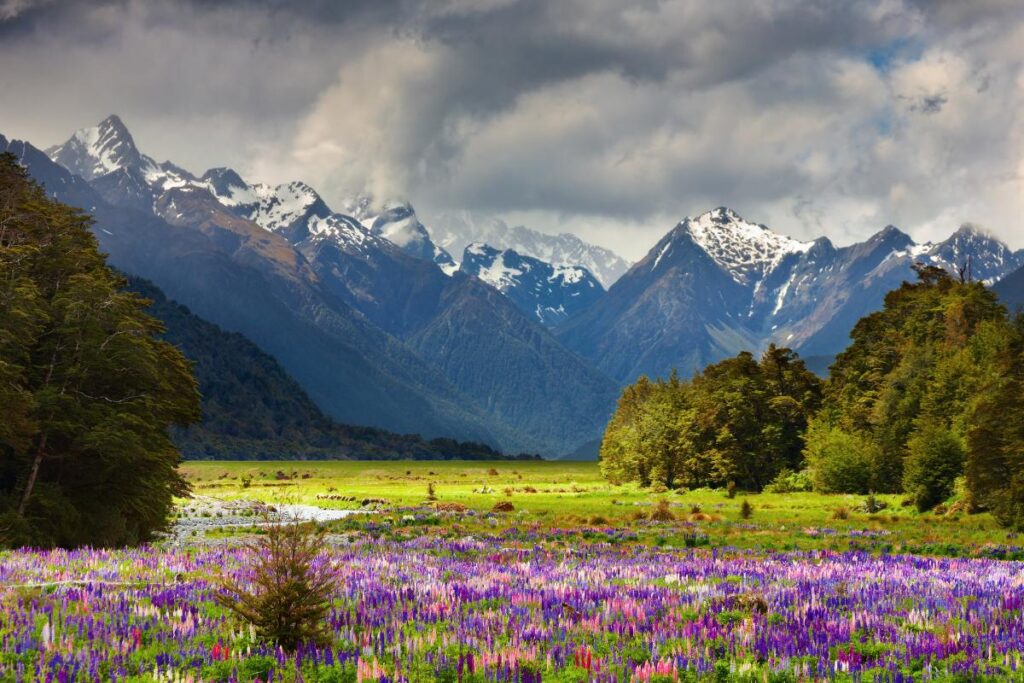
The Valley of Flowers, a visual paradise situated in the Chamoli district, has welcomed visitors since Sunday, June 1. Cradled in the embrace of the Himalayas, Uttarakhand is a region of unmatched splendor. It’s no surprise that adventurers seeking a connection with nature select this locale for a peaceful getaway. If you’re considering a Uttarakhand escape to relieve the sweltering summer heat, you’re fortunate. The Valley of Flowers, a visual paradise located in Chamoli district, opened its doors to guests starting Sunday, June 1. On the inaugural day, the forest department greeted 62 tourists who registered for their adventure. Essentials to Know About The Valley of Flowers: Home to over 300 varieties of Himalayan blooms, the Valley of Flowers National Park is recognized as a UNESCO World Heritage Site. Established in 1982, this destination provides travelers with stunning panoramic views of verdant fields adorned with endemic alpine blossoms. Surrounded by towering snow-covered peaks, the valley feels like a slice of heaven. Uttarakhand’s Valley Of Flowers Is Now Welcoming Tourists: Discover the Top Activities Available. The Valley of Flowers is a sanctuary for several rare medicinal plants. Cradled in the embrace of the Himalayas, Uttarakhand is a region of unmatched splendor. It’s no surprise that adventurers seeking a connection with nature select this locale for a peaceful getaway. If you’re considering a Uttarakhand escape to relieve the sweltering summer heat, you’re fortunate. The Valley of Flowers, a visual paradise located in Chamoli district, opened its doors to guests starting Sunday, June 1. The forest department greeted 62 tourists who registered for their adventure. Flora And Fauna The Valley of Flowers hosts an array of rare medicinal flora such as A. Falconeri, Aconitum heterophyllum, Arnebia benthamii, Megacarpaea polyandra, and Taxus wallichiana, among others. Various high-altitude plant species in this area consist of gymnosperms, pteridophytes, and angiosperms. A colorful array of blossoms blankets the green pastures, including poppies, marigolds, daisies, orchids, lilies, primulas, geraniums, calendulas, and sedums. The vibrant rhododendrons also provide a delightful burst of color. When considering wildlife, the Valley of Flowers is home to numerous rare and endangered species. Common sights include grey langurs, red foxes, black bears, Himalayan weasels, flying squirrels, Himalayan musk deer, and Himalayan goral. The valley is also alive with various butterfly species, birds, and a handful of reptiles. Valley of Flowers 2025 Each year, the Valley of Flowers welcomes visitors starting June 1 and closes on October 4. However, the final decision lies with the forest department. Best Time To Visit The ideal time for a visit is between July and September, when the valley blossoms into a floral wonderland. Things To Do 1. Trekking This moderately challenging trek begins and concludes at Govindghat, with the base camp positioned in Ghangaria. Trekkers can opt for overnight stays in guesthouses or tents. During your uphill trek, you will traverse dense forests and follow the winding Pushpawati River. Along the way, prepare to cross numerous bridges and discover cascading waterfalls. 2. Hemkund Sahib This religious site is among the most esteemed gurudwaras in Uttarakhand. The shrine is nestled amidst the snow-capped Garhwal mountains and Hemkund Parvat. 3. Rural Hamlets Exploring Ghangaria is essential, as it is the last inhabited village along your trek to the Valley of Flowers. You can stroll through the village and observe the traditional lifestyles of the locals. Ghangaria is located at the junction of the River Pushpawati and River Hemganga. The Bhyundar Khal Village is another notable destination worth visiting. Important Travel Tips Also Read: Perfect 7-Day Itinerary for Exploring Uttarakhand Permit Required: Access to the valley is controlled. Visitors need to register and pay a modest fee at the Ghangaria check post. Plastic-Free Zone: The Valley is an environmentally sensitive area. Bring reusable water bottles and refrain from littering. No Camping Inside the Valley: Overnight stays within the park are not allowed. Fitness Preparation: Engage in light cardio several weeks prior to your trek to boost your stamina. Guides Available: Although the path is well-marked, local guides can enrich your visit with historical and botanical knowledge. Final Thoughts If you cherish nature, mountains, or simply seek relief from the hustle and bustle of city life, the Valley of Flowers in 2025 guarantees a revitalizing journey. With its rich biodiversity, peaceful atmosphere, and spiritual aura, this Himalayan jewel stands as one of India’s most magnificent wonders.
Adi Kailash Yatra 2025: Complete Guide to the Sacred Himalayan Pilgrimage
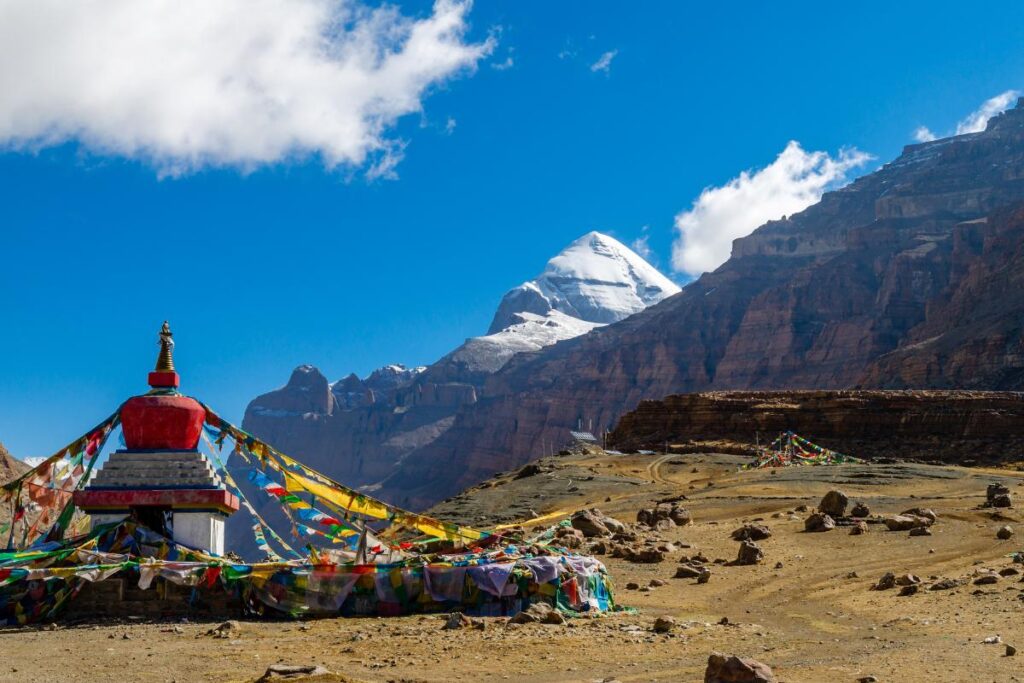
Embark on a soul-stirring journey to Adi Kailash, the revered Himalayan peak known as the ‘Chhota Kailash’, nestled in the tranquil terrains of Uttarakhand near the Indo-Tibetan border. Adi Kailash Yatra 2025 promises not just a pilgrimage but a deeply spiritual, scenic, and transformative experience that echoes the legends of Lord Shiva himself. What is Adi Kailash Yatra? – The Mythological and Spiritual Significance Adi Kailash, also called Shiva Kailash, holds immense religious importance in Hindu mythology. It is believed to be the abode of Lord Shiva and Goddess Parvati. Unlike Mount Kailash in Tibet, Adi Kailash lies within Indian territory, making it accessible without international travel complications. This pilgrimage is a journey through mystical landscapes, ancient temples, and sacred lakes, most notably Parvati Sarovar and Gauri Kund, where devotees perform holy rituals. Legends say that Lord Shiva himself meditates here, making it one of the most sacred sites in the Himalayas. Adi Kailash Yatra 2025 Dates and Registration Yatra Dates: May 2025 to October 2025Registration Opens: March 2025Organized By: Kumaon Mandal Vikas Nigam (KMVN) and various private operators The yatra generally starts in May, once the weather stabilizes and the snow clears. Pilgrims can register through official government portals or trusted travel agencies offering Adi Kailash packages. Documents Required for Registration: How to Reach Adi Kailash: Route Map & Travel Options The Adi Kailash Yatra route is an adventurous blend of road travel and trekking through high-altitude Himalayan terrain. Popular Route: Delhi ➝ Kathgodam ➝ Pithoragarh ➝ Dharchula ➝ Gunji ➝ Jyolingkong ➝ Adi Kailash The route includes stunning Himalayan villages, lush valleys, waterfalls, snow-capped peaks, and sacred river crossings. Many packages include buffer days for acclimatization due to high altitude. Highlights of Adi Kailash Yatra 2025 1. Om Parvat Darshan En route to Adi Kailash, Om Parvat is a miraculous sight. The natural snow formation on the mountain resembles the sacred “ॐ” symbol, making it a divine visual experience for pilgrims. 2. Parvati Sarovar and Gauri Kund These sacred lakes are believed to be the bathing places of Goddess Parvati. The tranquil blue waters reflect the surrounding mountains, creating an atmosphere of peace and divinity. 3. Kuti and Gunji Villages These remote Himalayan hamlets offer a peek into traditional mountain life. Kuti is named after Kunti (mother of the Pandavas), and Gunji serves as a key stopover for permits and acclimatization. 4. Jyolingkong – The Final Frontier Jyolingkong is the gateway to Adi Kailash, a surreal landscape surrounded by majestic Himalayan ranges. From here, pilgrims walk a short distance to reach the Adi Kailash Parikrama base. Adi Kailash vs Mount Kailash: Why Choose Adi Kailash Yatra 2025? Feature Adi Kailash (India) Mount Kailash (Tibet) Location Uttarakhand, India Tibet, China Accessibility No passport/visa required Requires Chinese visa Yatra Duration 10-14 Days 21-28 Days Spiritual Significance Believed abode of Lord Shiva Mythological abode of Shiva Safety High – Indian Territory Moderate – Requires foreign travel For devotees who seek a sacred journey within India, Adi Kailash is the ideal alternative to the Tibet-based Mount Kailash. Best Time to Visit Adi Kailash in 2025 The optimal months for the yatra are May to mid-October, with June and September offering the best weather. Avoid July-August due to landslides during monsoons. Temperature Range: Always carry warm clothing, rain gear, and medicines for altitude sickness. Adi Kailash Yatra Packages 2025: Cost and Inclusions Average Cost: ₹35,000 – ₹55,000 per person Inclusions: Ensure that your operator provides medical kits, oxygen cylinders, and trained guides for safe travel. Preparation Tips for Adi Kailash Yatra 2025 Altitude Sickness Tip: Acclimatize gradually and stay hydrated throughout. Frequently Asked Questions about Adi Kailash Yatra 2025 Q1: Is Adi Kailash safe for senior citizens? Yes, but only with proper medical fitness and under guidance. Consult your doctor before the trip. Q2: Is Adi Kailash Yatra open to international tourists? Yes, but international tourists must seek special permits from Indian authorities. Q3: Do I need trekking experience? No prior trekking experience is required, but basic fitness is essential. Q4: Can children join the yatra? Not advisable for children under 12 due to high-altitude conditions. Why You Should Not Miss Adi Kailash Yatra in 2025 Adi Kailash Yatra 2025 is not just a pilgrimage; it’s a profound spiritual experience, an opportunity to witness untouched Himalayan beauty, and a once-in-a-lifetime trek to the abode of Lord Shiva. Whether you’re a seeker, nature lover, or spiritual devotee, this journey will enrich your soul and test your spirit. Book early, prepare thoroughly, and let Adi Kailash call you home in 2025.
Kailash Mansarovar Yatra to Resume on June 30 After Five-Year Gap
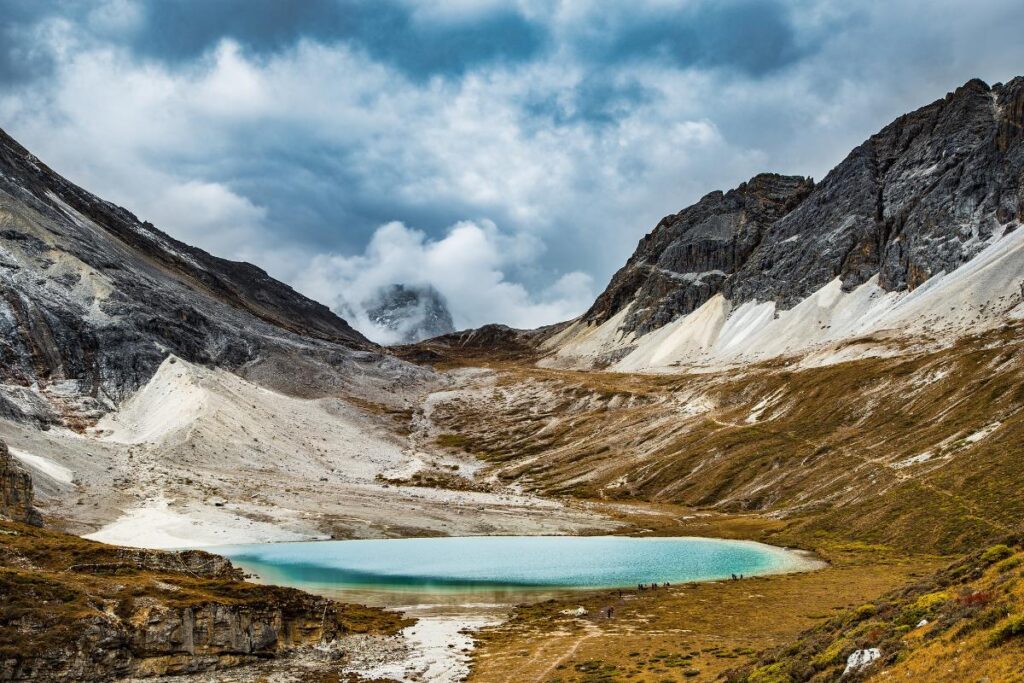
The Kailash Mansarovar Yatra, one of the most sacred pilgrimages in the world, is set to resume from June 30, 2025, marking the end of a five-year suspension due to geopolitical tensions and pandemic-related restrictions. The Indian government has officially announced the re-opening of this revered journey, igniting joy and devotion among millions of pilgrims and spiritual seekers globally. The Significance of the Kailash Mansarovar Yatra Mount Kailash, standing tall at 6,638 meters in the Tibet Autonomous Region, is believed to be the abode of Lord Shiva and a sacred site in Hinduism, Buddhism, Jainism, and Bon religion. The nearby Lake Mansarovar, one of the highest freshwater lakes in the world, is considered to be the source of purity and spiritual enlightenment. For Hindus, performing the parikrama (circumambulation) of Mount Kailash is a path to moksha (liberation). Buddhists believe Mount Kailash is the residence of Demchok, a powerful deity representing supreme bliss. Jains associate it with Rishabhadeva, the first Tirthankara, while the Bon religion considers it the axis of the world. Why the Yatra Was Suspended for Five Years The Kailash Mansarovar Yatra was suspended in 2020 due to a combination of COVID-19 pandemic restrictions and India-China border tensions. Since then, devotees have waited patiently for this sacred route to reopen. With diplomatic dialogues progressing and international travel becoming more viable, the Indian Ministry of External Affairs (MEA) has decided to resume the pilgrimage under enhanced safety protocols. New Routes for 2025 Kailash Mansarovar Yatra To ease access and reduce dependency on China-controlled routes, the Indian government has taken strategic steps to introduce alternative pathways for the Kailash Mansarovar Yatra: 1. Lipulekh Route (Uttarakhand) 2. Nathu La Route (Sikkim) 3. New Road via Gunji and Adi Kailash Registration Process for 2025 The Ministry of External Affairs (MEA) will manage the registration for the Kailash Mansarovar Yatra 2025. Here’s a complete guide: Eligibility Criteria Registration Steps Key Dates Yatra Duration, Costs & Logistics Duration Estimated Cost Costs may vary based on accommodation, transportation, guide services, and emergency arrangements. Medical & Travel Insurance Key Places En Route the Kailash Mansarovar Yatra 1. Dharchula A quaint Himalayan town where pilgrims begin their journey with final preparations and acclimatization. 2. Gunji A vital halt point for medical checks and document verification. 3. Pithoragarh Known as “Mini Kashmir,” this town offers stunning views and serves as the logistical base. 4. Taklakot (Burang) A Tibetan town offering modern facilities and shops for final shopping before starting the parikrama. 5. Lake Mansarovar A spiritual haven where pilgrims take a holy dip to purify the soul and perform rituals. 6. Mount Kailash Parikrama A challenging yet rewarding 52-km trek, taking 3 days, across Dirapuk, Dolma La Pass, and Zuthulpuk. Spiritual and Cultural Preparation Religious Practices Mental Readiness Safety and Precautions Conclusion: A Journey Beyond Borders and Beliefs The resumption of the Kailash Mansarovar Yatra in 2025 is more than just a reopening of a travel route; it is a reconnection with divine energy, a chance to embark on a soul-cleansing pilgrimage that transcends national boundaries, religious doctrines, and physical limitations. Whether you are a devout Hindu, a passionate spiritual traveler, or a seeker of life’s deeper meanings, the Mount Kailash pilgrimage awaits you with open arms and ancient blessings. Don’t miss this opportunity to be among the first batch of pilgrims to walk the sacred path again after half a decade.
Top 10 National Parks in India to Visit This Summer
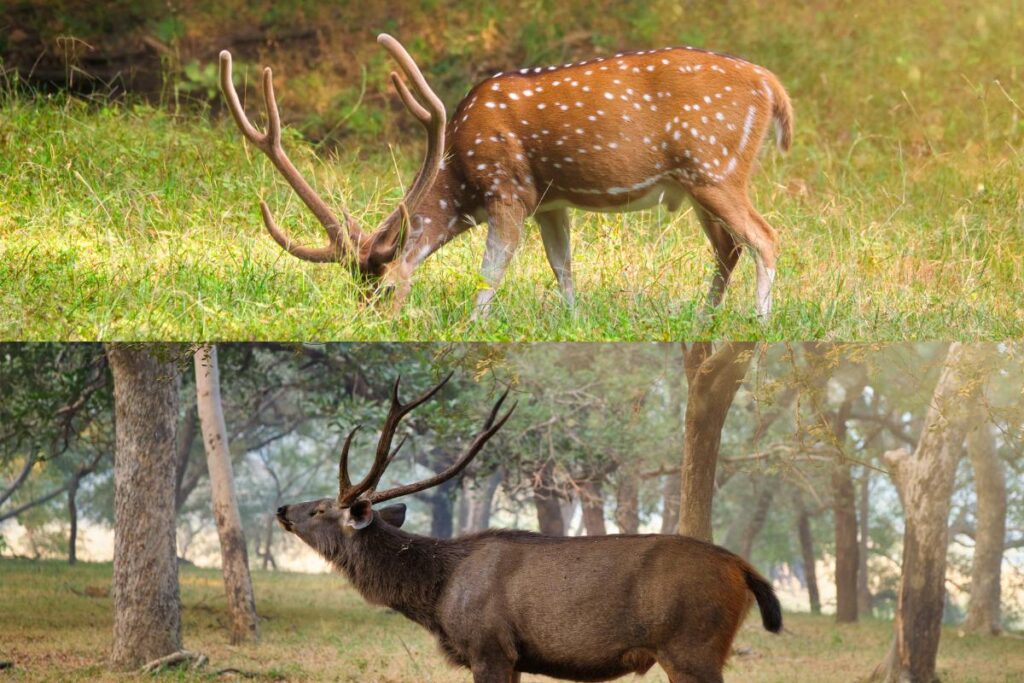
India, a land of astounding biodiversity, is home to some of the world’s most mesmerizing national parks. These parks not only offer refuge to countless species of flora and fauna but also provide ideal summer getaways for nature lovers, wildlife photographers, and adventure seekers alike. Here’s a comprehensive guide to the 10 best National parks in India to visit this summer, offering thrilling safaris, pristine landscapes, and a breath of fresh Himalayan or tropical air. 1. Jim Corbett National Park, Uttarakhand – Oldest National Park India Keyword: Jim Corbett National Park in summer Nestled in the foothills of the Himalayas, Jim Corbett National Park is a haven for wildlife enthusiasts. Established in 1936, it is the oldest national park in India and famous for its Royal Bengal Tigers. Best Time to Visit: March to JuneHighlights: 2. Ranthambore National Park, Rajasthan – The Land of Royal Predators Keyword: Ranthambore summer safari Ranthambore National Park combines the thrill of wildlife with the charm of historical ruins. It’s one of the best parks for tiger sightings, especially during the scorching summer months when animals gather around watering holes. Best Time to Visit: April to JuneHighlights: 3. Kanha National Park, Madhya Pradesh – The Jungle Book Experience Keyword: Kanha National Park summer travel Inspired Rudyard Kipling’s The Jungle Book, Kanha National Park boasts a lush sal forest, meadows, and a rich population of barasinghas (swamp deer). Best Time to Visit: March to JuneHighlights: 4. Bandhavgarh National Park, Madhya Pradesh – The Highest Tiger Density Keyword: Bandhavgarh summer visit If you dream of catching a glimpse of a tiger in the wild, Bandhavgarh National Park offers one of the highest tiger densities in India. The summer heat increases chances of sightings. Best Time to Visit: April to JuneHighlights: 5. Kaziranga National Park, Assam – Home of the One-Horned Rhino Keyword: Kaziranga in summer Recognized as a UNESCO World Heritage Site, Kaziranga National Park is the best place in India to see the Indian one-horned rhinoceros. Best Time to Visit: November to April (limited in May-June)Highlights: 6. Periyar National Park, Kerala – A Tranquil Tropical Retreat Keyword: Periyar wildlife sanctuary summer tour Located in the Western Ghats, Periyar National Park is famed for its serene lake and elephant reserves. The cool mountain air makes it a pleasant escape in the summer. Best Time to Visit: March to MayHighlights: 7. Pench National Park, Madhya Pradesh/Maharashtra – Kipling’s Canvas Keyword: Pench National Park summer safari Yet another forest that inspired Kipling, Pench National Park offers an enthralling mix of teak forests, open meadows, and leopards, wild dogs, and birds. Best Time to Visit: March to JuneHighlights: 8. Gir National Park, Gujarat – Land of the Asiatic Lion Keyword: Gir National Park summer season Gir National Park is the only place in the world where you can spot Asiatic lions in the wild. During the summer, lions are more visible near water bodies. Best Time to Visit: March to mid-JuneHighlights: 9. Satpura National Park, Madhya Pradesh – Offbeat and Untouched Keyword: Satpura National Park offbeat summer travel For travelers looking to escape crowds, Satpura National Park offers a less-commercial but deeply enriching safari experience. The park supports sloth bears, leopards, and Indian bison. Best Time to Visit: March to JuneHighlights: 10. Hemis National Park, Ladakh – The High-Altitude Marvel Keyword: Hemis National Park summer trek Located in the Himalayas, Hemis National Park is India’s highest and largest national park. While it’s known for the elusive snow leopard, summer unveils a breathtaking landscape of wildflowers and grazing herds. Best Time to Visit: May to SeptemberHighlights: Travel Tips for Visiting National Parks in India During Summer Keyword: India national park travel tips summer Conclusion National parks in India are an unparalleled gateway into the wild heart of the subcontinent. Whether you’re chasing tigers in the dense jungles of Madhya Pradesh, sailing on Periyar Lake, or trekking through the Himalayas, these summer adventures promise unforgettable moments. Embark on a journey to discover the diverse wildlife and natural beauty that make India’s national parks some of the finest in the world.
7 Lesser-Known Hill Stations Near Dehradun
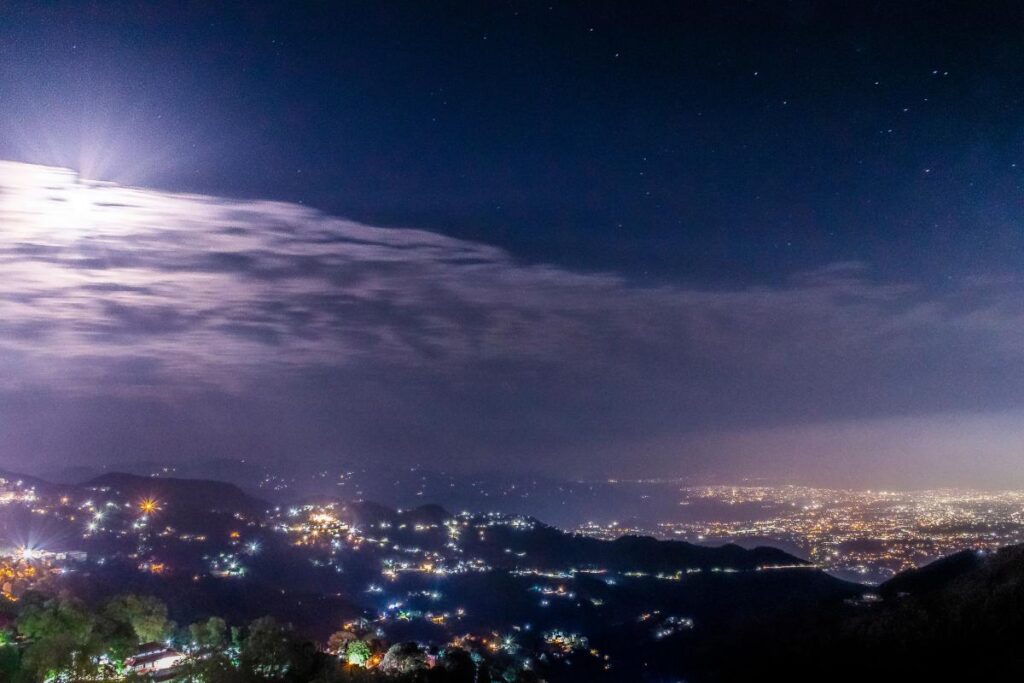
Dehradun, the gateway to the Garhwal Himalayas, is famous for its serene beauty and pleasant weather. While destinations like Mussoorie and Dhanaulti are well-known, there are several hidden gems around Dehradun that offer an escape from the crowded tourist spots. These lesser-known hill stations are perfect for those seeking tranquility, adventure, and untouched natural beauty. Here are seven lesser-known hill stations near Dehradun that deserve a place on your travel bucket list. These are the Hill Stations Near Dehradun 1. Kanatal – The Secluded Paradise Nestled at an altitude of 8,500 feet, Kanatal is a small hamlet offering a perfect blend of adventure and solitude. This pristine location is known for its lush green forests, apple orchards, and panoramic Himalayan views. Things to Do in Kanatal: 2. Nag Tibba – A Trekker’s Delight Nag Tibba, also known as the Serpent’s Peak, is the highest peak in the lesser Himalayas near Dehradun. Located at 9,915 feet, it is an ideal weekend trekking destination offering stunning 360-degree views of the Bandarpunch, Kedarnath, and Swargarohini ranges. Things to Do in Nag Tibba: 3. Chakrata – A Hidden Gem Situated at an altitude of 7,000 feet, Chakrata is a lesser-explored hill station near Dehradun. This charming town is surrounded by dense deodar forests and offers an ideal retreat for nature lovers and adventure seekers. Things to Do in Chakrata: 4. Landour – The Colonial Retreat Just a short drive from Mussoorie, Landour is a quaint cantonment town known for its British-era charm, colonial bungalows, and stunning landscapes. This peaceful retreat is often overlooked by tourists rushing to Mussoorie. Things to Do in Landour: 5. Gwaldam – The Undiscovered Jewel Perched at an altitude of 6,500 feet, Gwaldam lies between Garhwal and Kumaon, offering a perfect blend of snow-capped peaks, thick pine forests, and tranquil meadows. It is an ideal place for solitude seekers and nature lovers. Things to Do in Gwaldam: 6. Peora – The Fruit Bowl of Uttarakhand Situated in the Kumaon region, Peora is a tiny hamlet known for its breathtaking views, organic farms, and orchards. It remains unexplored and is perfect for those looking to escape the commercialized tourist hubs. Things to Do in Peora: 7. Mori – A Riverside Escape Tucked away in the Tons Valley, Mori is an unexplored paradise famous for its pristine riverbanks, adventure activities, and cultural heritage. If you seek solitude and love river rafting, this place should be on your list. Things to Do in Mori: Conclusion for Hill Stations Near Dehradun If you are looking for a peaceful and refreshing getaway, these 7 lesser-known hill stations near Dehradun offer an ideal escape from the crowded tourist destinations. Whether it’s adventure, serenity, or breathtaking landscapes, these hidden gems have something for every traveler. So, pack your bags and explore the undiscovered beauty of Uttarakhand!
Perfect 7-Day Itinerary for Exploring Uttarakhand
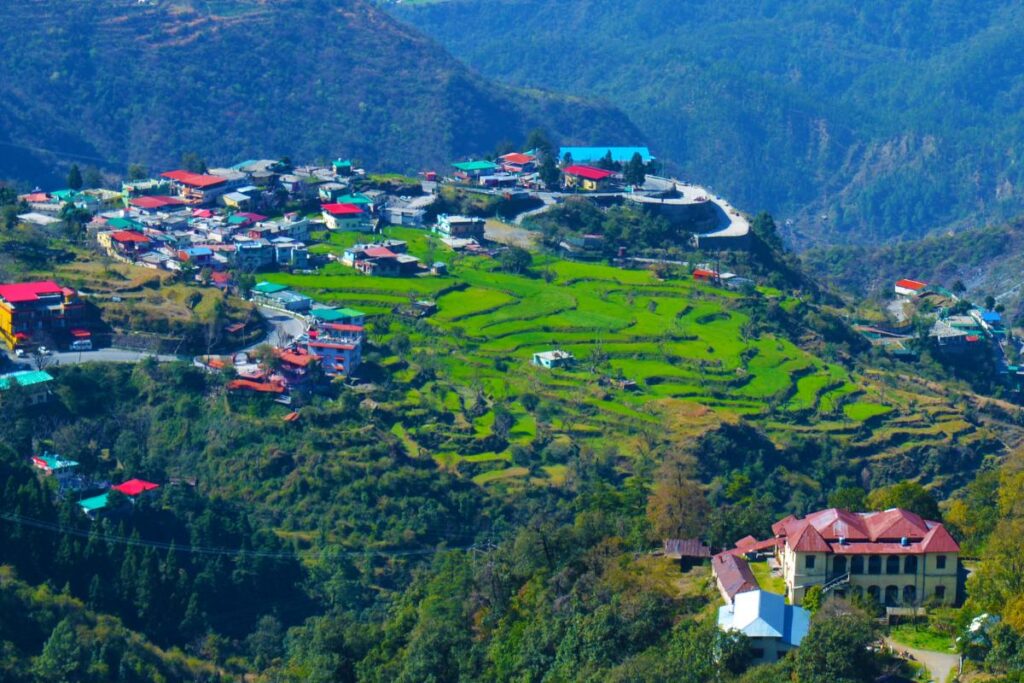
Uttarakhand, often referred to as “Devbhoomi” (Land of Gods), is a paradise nestled in the Himalayas. This northern Indian state boasts breathtaking landscapes, spiritual sites, adventure activities, and rich biodiversity. Whether you’re looking for a luxurious getaway or a budget-friendly trip, this 7-day itinerary covers the best places to visit, including top luxury and budget hotels for a memorable experience. Day 1: Arrival in Dehradun – Gateway to Uttarakhand Best Places to Visit: Where to Stay: Day 2: Dehradun to Mussoorie – The Queen of Hills Best Places to Visit: Where to Stay: Day 3: Mussoorie to Rishikesh – Yoga Capital of the World Best Places to Visit: Adventure Activities: Where to Stay: Day 4: Rishikesh to Haridwar – The Spiritual Hub Best Places to Visit: Where to Stay: Day 5: Haridwar to Nainital – The Lake District Best Places to Visit: Where to Stay: Day 6: Nainital to Jim Corbett National Park – Wildlife Adventure Best Places to Visit: Where to Stay: Day 7: Return to Dehradun – Conclude the Journey Activities for the Final Day: Final Thoughts: This 7-day Uttarakhand itinerary offers a perfect balance of adventure, spirituality, luxury, and nature. Whether you’re seeking a budget-friendly trip or indulging in luxury retreats, Uttarakhand has something for everyone.
Offbeat Summer Destinations in India: Hidden Gems for Your Next Escape

India has some of the most magnificent summer destinations, but many tourists return to the same well-known hill stations year after year. India has hidden gems that offer tranquillity, breathtaking landscapes, and one-of-a-kind cultural experiences. Explore these offbeat summer destinations in India that promise an unforgettable retreat away from the bustling tourist crowds. These are the Top Offbeat Summer Destinations in India Also Read: Best Solo Travel Destinations in 2025 1. Tawang, Arunachal Pradesh – The Monastic Retreat Tawang, located at 10,000 feet, is a lovely town famed for its old Buddhist monasteries, clean lakes, and stunning valleys. The Tawang Monastery, one of India’s largest, offers spiritual solace amidst the magnificent Himalayas. Sela Pass, a high-altitude mountain pass that remains snow-covered even in the summer, is a popular destination for nature enthusiasts. Tawang’s attractiveness is enhanced by the crystal-clear Shonga-tser Lake and the roaring Nuranang Falls, making it a must-see destination for anyone seeking calm. 2. Ziro Valley, Arunachal Pradesh – The Land of the Apatanis Ziro Valley, home to the Indigenous Apatani tribe, is a nature lover’s heaven. It is surrounded by lush green paddy fields and pine forests, providing an immersive cultural experience. If visitors visit during the correct season, they can go on natural treks, see tribal settlements, and attend the renowned Ziro Music Festival. The valley’s cool temperature provides an ideal getaway from the sweltering summer heat. 3. Spiti Valley, Himachal Pradesh – The Cold Desert Spiti Valley is an unspoiled beauty of arid landscapes, historic monasteries, and stunning high-altitude lakes. The valley is home to the Key Monastery, the oldest in the region, which provides breathtaking views. Adventurers can visit Chandratal Lake, a crescent-shaped lake noted for its reflected blue waters, or hike to Dhankar Lake for an unforgettable panoramic view of the Himalayas. Spiti’s raw beauty makes it a dream destination for photographers and trekkers alike. 4. Kausani, Uttarakhand – The Switzerland of India Kausani, located in the Kumaon region, is a lesser-known hill station with amazing views of the Trishul, Nanda Devi, and Panchachuli peaks. Kausani is ideal for visitors seeking tranquility, with tea gardens, lush green valleys, and breathtaking sunrise vistas. Visit Anasakti Ashram, where Mahatma Gandhi stayed, or go hiking to Rudradhari Falls for a soothing experience. 5. Tirthan Valley, Himachal Pradesh – A Paradise for Nature Lovers Tirthan Valley, located in the Great Himalayan National Park, is an undiscovered gem for those seeking unspoiled natural beauty. This valley is ideal for hiking, trout fishing, and animal spotting. The lush green meadows, flowing rivers, and apple orchards make for a lovely hideaway. A visit to Serolsar Lake and the mythical Jalori Pass enhances the allure of Tirthan Valley. 6. Munsiyari, Uttarakhand – The Trekker’s Paradise Munsiyari, also known as the ‘Little Kashmir’ of Uttarakhand, is a picturesque hill station with amazing views of the Panchachuli ranges. Trekkers flock to this location to take on the Milam Glacier and Ralam Glacier trip. The Birthi Falls, Maheshwari Kund, and Thamri Kund are must-see destinations for nature enthusiasts seeking refuge in the Himalayas. 7. Lambasingi, Andhra Pradesh – The Kashmir Lambasingi is one of the rare areas in South India that receive snowfall. It provides a pleasant respite with its lush forests, foggy hills, and coffee farms. Lambasingi is a popular camping, trekking, and nature walk destination that offers a surreal experience, particularly in the early morning hours when the mist creates a lovely environment. 8. Chikmagalur, Karnataka – The Coffee Land of India Chikmagalur is an unusual hill station famed for its expansive coffee plantations and verdant sceneries. Visitors can explore Karnataka’s tallest peak, Mullayanagiri, climb via Baba Budangiri, or relax at Hebbe Falls and Kudremukh National Park. Coffee lovers should visit a coffee plantation for an unforgettable coffee-brewing experience. 9. Haflong, Assam – The Only Hill Station of Assam Haflong, Assam’s sole hill station, is a picturesque wonder, with rolling green hills, azure lakes, and a thriving tribal culture. A visit to Haflong Lake provides chances for boating and bird watching. The surrounding Jatinga Village is well-known for the inexplicable phenomena of bird suicides. Haflong is a popular summer destination for adventure seekers because of its walking paths and paragliding opportunities. 10. Majuli, Assam – The Largest River Island in the World Majuli, located in the Brahmaputra River, is a tranquil and culturally significant river island. Majuli, known for its Satras (Vaishnavite monasteries), provides insight into Assam’s distinct past. Visitors can ride bicycles around the island, see Kamalabari Satra, and connect with the Mishing tribe. The island’s rustic appeal and rich foliage make it an ideal off-beat summer retreat. 11. Kanyakumari, Tamil Nadu – Where Oceans Meet Kanyakumari, India’s southernmost tip, is where the Arabian Sea, Bay of Bengal, and Indian Ocean meet. It is well-known for its breathtaking sunrise and sunset vistas, and major attractions include the Vivekananda Rock Memorial, Thiruvalluvar Statue, and Kanyakumari Temple. Its calm beaches, rich cultural legacy, and breathtaking coastline views make it a great summer destination for those seeking peace and spiritual renewal. 12. Malana, Himachal Pradesh – The Ancient Himalayan Village Malana is an interesting destination for individuals looking for an out of the ordinary and magical getaway. Malana is known for its seclusion and ancient rituals, and its unusual social structure and self-governance have earned it the nickname ‘Village of Taboos’. The journey to Malana provides stunning views of the Parvati Valley, and visitors may immerse themselves in the village’s unique culture, sacred shrines, and natural beauty. Final Thoughts: Offbeat Summer Destinations in India India is home to numerous offbeat summer destinations that offer spectacular landscapes, cultural richness, and peaceful getaways. Whether you seek adventure, solitude, or cultural immersion, these hidden gems promise a memorable travel experience away from crowded tourist spots. Plan your next summer escape to these lesser-known paradises and immerse yourself in the untouched beauty of India.
Best Travel Destinations in July in India : Explore Destinations
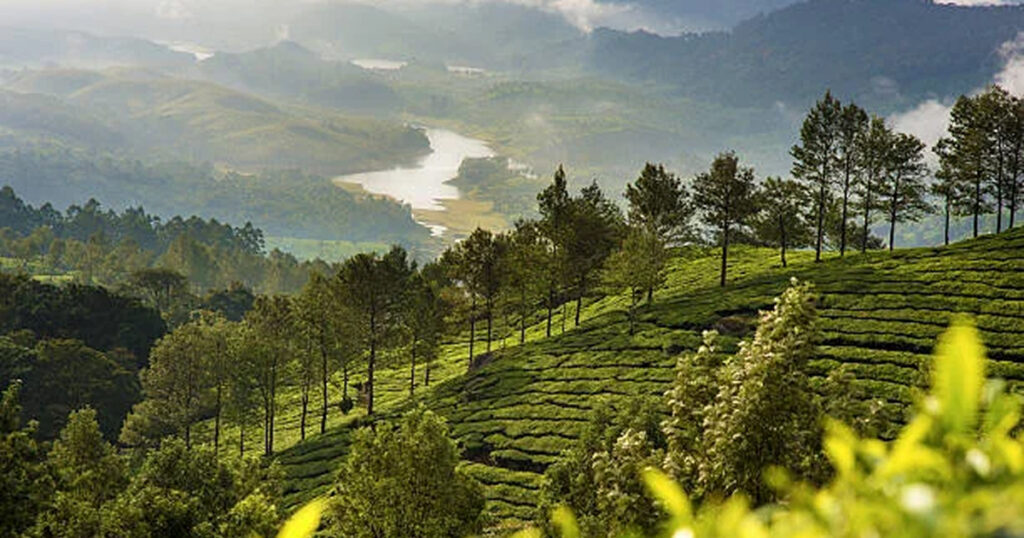
July is the perfect time to explore India’s diverse landscapes, as the monsoon breathes new life into its hills, valleys, and forests. India has several places that come to life this season, from tranquil backwaters to green mountains. Whether you’re a nature lover, adventure enthusiast, or someone seeking tranquility, here are the best travel destinations in July in India that you must visit. These are the Best Travel Destinations in India for July Monsoon Getaways 1. Munnar, Kerala Known by locals as the “Kashmir of South India,” Munnar is a nature lover’s dream come true. The rolling tea plantations, misty hills, and gushing waterfalls make it one of the best places to visit in July in India. The rare Neelakurinji flowers bloom only every twelve years and can be seen at Eravikulam National Park. Why Visit in July? Cool, pleasant weather. Lush greenery and blooming flora. Perfect for trekking and nature walks. 2. Ladakh, Jammu & Kashmir The best time to visit Ladakh is in July since the roads are open and the weather is wonderful for soaking in the stunning scenery. Ladakh is a photographer’s and adventurer’s paradise, with its untamed Pangong Lake and wilder Nubra Valley. Why Visit in July? Clear skies and pleasant temperatures. Thrilling bike rides on the Manali-Leh Highway. Vibrant festivals like Hemis Festival. 3. Coorg, Karnataka Coorg, known as the “Scotland of India,” is a monsoon wonderland in July. The coffee farms, waterfalls, and mist-covered hills create a magical atmosphere. During India’s monsoon season, it’s one of the best destinations for a relaxing getaway. Why Visit in July? Refreshing rains and cool climate. Perfect for coffee plantation tours and trekking. Visit Abbey Falls and Raja’s Seat for stunning views. 4. Udaipur, Rajasthan The romantic location of Udaipur, also known as the “City of Lakes,” is even more alluring during the rainy season. The Aravalli Hills become verdant, and the lakes fill up to overflowing. Don’t miss a trip to the majestic City Palace or a boat ride on Lake Pichola. Why Visit in July? Romantic ambiance with fewer crowds. Beautiful monsoon views of lakes and palaces. Ideal for cultural exploration and photography. 5. Valley of Flowers, Uttarakhand Also Read: Valley of Flowers 2025 Opening Dates: Everything You Need to Know The Valley of Flowers, a UNESCO World Heritage Site, is a must-see in July. One of India’s top monsoon getaways, this alpine valley comes to life with a carpet of vivid blooms. With breathtaking vistas of the Himalayas, the hike to the valley is also captivating. Why Visit in July? Peak blooming season for exotic flowers. Serene and untouched natural beauty. Perfect for trekking and nature photography. 6. Goa The rainy season turns Goa into a peaceful paradise, despite the fact that most people only think of beaches and parties.The rain-washed beaches, lush greenery, and off-season discounts make it one of the best places to visit in July in India. Why Visit in July? Peaceful and less crowded beaches. Lush green landscapes and waterfalls. Enjoy monsoon festivals like Sao Joao. 7. Shillong, Meghalaya Shillong, the capital of Meghalaya, is a monsoon paradise. Cherrapunji, sometimes called the “Abode of Clouds,” is home to breathtaking waterfalls including Elephant Falls and living root bridges. It is a popular destination for July travel due to its pleasant temperatures and breathtaking scenery. Why Visit in July? Majestic waterfalls at their peak. Unique living root bridges. Ideal for nature lovers and adventure enthusiasts. 8. Andaman and Nicobar Islands The Andaman and Nicobar Islands are an ideal destination for July vacationers seeking a tropical getaway. Its immaculate beaches, coral reefs, and verdant woods are all made more beautiful by the monsoon rains. It’s among the top monsoon holiday spots in India for a calm beach getaway. Why Visit in July? Less crowded and more peaceful. Perfect for water sports and snorkeling. Stunning marine life and coral reefs. Conclusion Best travel destinations in July in India, as the monsoon transforms the landscapes into lush, vivid paradises. There’s something for everyone, whether you want to chase waterfalls in Coorg, trek through the Valley of Flowers, or relax on the calm beaches of Andaman. These greatest July tourist spots in India provide an ideal balance of natural beauty, adventure, and relaxation. So pack your luggage, embrace the monsoon season, and have great experiences in these breathtaking destinations. Happy travels!
Best places to visit in India during monsoon
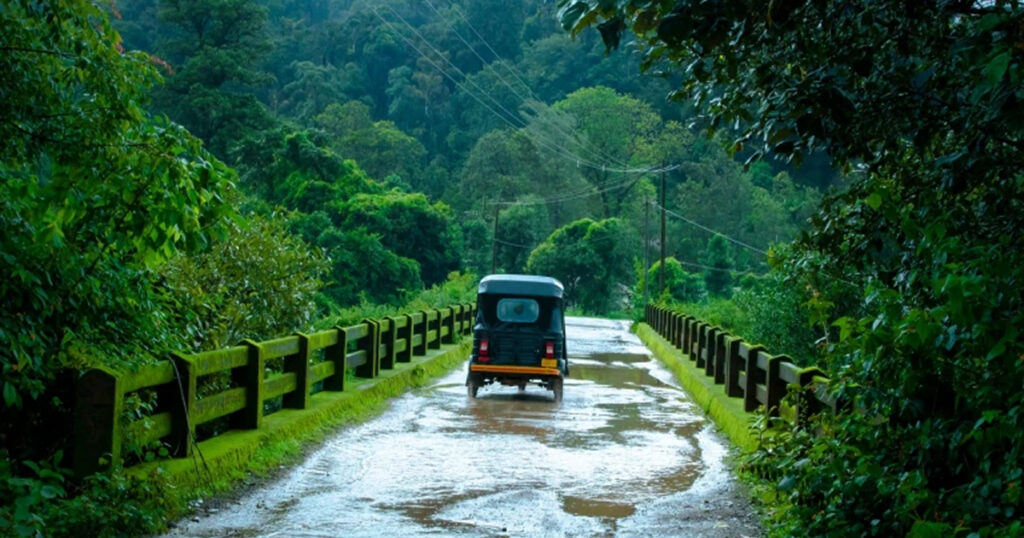
During India’s monsoon season, rivers, lakes, and waterfalls are rejuvenated and landscapes are transformed into verdant paradises. The monsoon season, which runs from June to September, is ideal for vacation if you enjoy taking in nature at its most beautiful. India’s monsoon destinations provide an experience that will never be forgotten, whether you’re an adventurer, a lover of the outdoors, or a couple seeking a romantic getaway. This blog explores the best places to visit in India during monsoon, their highlights, and why they should be on your travel list! These are the best places to visit in India during monsoon 1. Munnar, Kerala Also Read: Best Travel Destinations in July in India Munnar’s attractiveness is enhanced by the monsoon season, which brings cool rains and mist-covered hills. It’s a nature lover’s and photographer’s dream come true because of the scent of new tea leaves. Why Visit: Known as the “Kashmir of South India,” Munnar is a breathtaking hill station adorned with rolling tea gardens, misty mountains, and enchanting waterfalls. Highlights: Tea plantations, Attukal and Lakkam waterfalls, Eravikulam National Park. 2. Cherrapunji & Mawsynram, Meghalaya During the monsoon season, Cherrapunji’s waterfalls are at their most stunning. Fresh flora and rushing streams enhance the Living Root Bridges, which are created by indigenous tribes. Why Visit: Famous as the wettest places on Earth, these destinations receive heavy rainfall, creating mesmerizing landscapes and lush valleys enveloped in clouds. Highlights: Nohkalikai Falls, Seven Sisters Falls, Living Root Bridges. 3. Lonavala & Khandala, Maharashtra Monsoon transforms Lonavala and Khandala into lush green paradises with pleasant weather, making them ideal for weekend getaways and adventure activities like trekking and camping. Why Visit: Close to Mumbai and Pune, these hill stations come alive during the monsoon with gushing waterfalls and scenic trekking trails. Highlights: Rajmachi Fort, Bhushi Dam, Tiger’s Leap. 4. Coorg, Karnataka Coorg’s mist-covered coffee farms and fragrant surroundings make it the ideal place for a restful getaway. Abbey Falls is an essential destination because the monsoon enhanced its allure. Why Visit: Nicknamed the “Scotland of India,” Coorg turns into a green wonderland in the monsoon, making it an ideal escape from city life. Highlights: Abbey Falls, coffee plantations, Dubare Elephant Camp. 5. Valley of Flowers, Uttarakhand The monsoon season, when thousands of vibrant flowers bloom and create an amazing flowering carpet, is the finest time to go on this walk. The nearby peaks covered in snow emphasize the odd atmosphere. Why Visit: A UNESCO World Heritage Site, the Valley of Flowers blooms with vibrant flora during the monsoon, making it one of the most picturesque trekking destinations in India. Highlights: Alpine flowers, Hemkund Sahib, snow-capped peaks. 6. Udaipur, Rajasthan The lakes of Udaipur are made even more beautiful by the monsoon, which also brings pleasant weather and a romantic atmosphere. During this season, boating in Lake Pichola becomes a must-do activity. Why Visit: Though Rajasthan is known for its arid climate, Udaipur looks especially mesmerizing in the monsoon, with rain-kissed palaces and scenic lakes. Highlights: Lake Pichola, City Palace, Monsoon Palace. 7. Shillong, Meghalaya Shillong’s hills are covered in mist from the monsoon clouds, which gives the place a surreal feel. Elephant Falls and other waterfalls are becoming stronger and more captivating. Why Visit: Known as the “Scotland of the East,” Shillong is a captivating destination during the monsoon, featuring misty hills and serene waterfalls. Highlights: Elephant Falls, Umiam Lake, Shillong Peak. 8. Mahabaleshwar, Maharashtra The monsoon season turns Mahabaleshwar into a gorgeous haven. The cold weather, misty roads, and thunderous waterfalls make it a must-see monsoon trip. Why Visit: A stunning hill station with dense forests, gushing waterfalls, and breathtaking viewpoints. Highlights: Lingmala Falls, Arthur’s Seat, Venna Lake. 9. Kodaikanal, Tamil Nadu The lush green vistas and cloud-kissed summits of Kodaikanal are enhanced by the monsoon rains. It is all the more lovely because of the cold, misty weather. Why Visit: With mist-covered valleys, scenic lakes, and mesmerizing waterfalls, Kodaikanal is a charming monsoon destination. Highlights: Kodaikanal Lake, Coaker’s Walk, Silver Cascade Falls. 10. Agumbe, Karnataka Due to its heavy rains, Agumbe is one of India’s most verdant and lively travel destinations. Its jungles are home to uncommon animals, making it an excellent destination for those who enjoy wildlife. Why Visit: Known as the “Cherrapunji of the South,” Agumbe is a rainforest destination with heavy monsoons and rich biodiversity. Highlights: Barkana Falls, Sunset Point, Agumbe Rainforest Research Station. Monsoon Travel Tips: Carry rainproof gear, including umbrellas and waterproof clothing. Wear sturdy, slip-resistant footwear for trekking and sightseeing. Avoid visiting areas prone to landslides and flooding. Book accommodations in advance as monsoon travel is gaining popularity. Conclusion: Best places to visit in India during monsoon India during the monsoon season provides a singular experience with verdant vistas, revitalising waterfalls, and mild, pleasant temperatures. Whether you are an adventurer, a nature lover, or a couple looking for a romantic getaway, India during monsoon season has something unique to offer. Make sensible travel plans, welcome the rain, and take in India’s breathtaking scenery during this enchanted time of year.
20 Best Places to Visit in India During Summer: Cool Escapes for Your Vacation
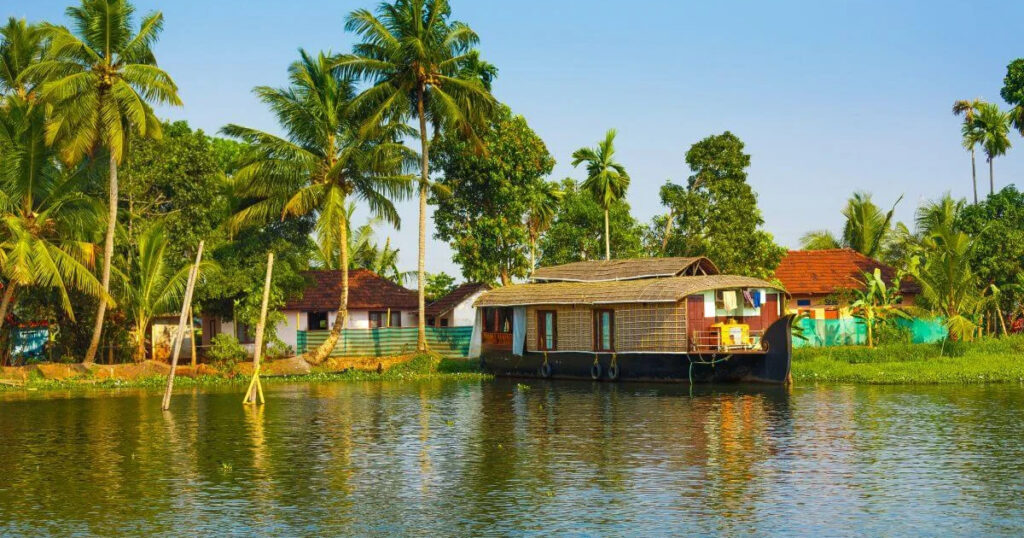
During the hot summer months, India’s various landscapes provide a variety of cool getaways. There’s a suitable hideaway for everyone, from tranquil hill settlements to picturesque lakes and luscious tea plantations. Whether you want to rest amidst natural beauty or go on an adventure, India has it all. These destinations are great for summer vacations due to their temperate weather, breathtaking scenery, and unique cultural experiences. Whether it’s exploring the highlands of Himachal Pradesh, trekking in Uttarakhand, or taking in the tranquil vibes of the Nilgiris, Here are 20 best places to visit in India during summer! These are the 20 best places to visit in India during summer! 1. Manali, Himachal Pradesh One of India’s most well-liked summer vacation spots, Manali is renowned for its pleasant climate, verdant surroundings, and adventurous activities. The village draws visitors looking for a tranquil getaway because of its gorgeous Himalayan views. How to Reach: By Air: Bhuntar Airport (50 km from Manali) By Train: Joginder Nagar Railway Station (165 km from Manali) By Road: Manali is well-connected by road via NH 3. Ideal Duration: 3-4 Days Things to Do in Manali: Rohtang Pass for snow activities Solang Valley for paragliding Visit Hidimba Devi Temple Trekking to Jogini Falls Places to Eat: Johnson’s Cafe The Lazy Dog Café 1947 Places To Stay: Manali Resort Apple Country Resort The Himalayan Village 2. Shimla, Himachal Pradesh The queen of hill stations, Shimla, is a must-see for everyone seeking a cool, pleasant summer vacation spot. Shimla, famous for its colonial architecture, breathtaking scenery, and lively bazaars, is the ideal place to escape the heat. How to Reach: By Air: Jubbarhatti Airport (23 km from Shimla) By Train: Shimla Railway Station By Road: Well-connected by NH 5. Ideal Duration: 2-3 Days Things to Do in Shimla: Ride the Shimla-Kalka Toy Train Visit Kufri for adventure activities Explore the Ridge and Mall Road Visit Jakhoo Temple Places to Eat: Café Sol The Oberoi Cecil’s Restaurant Indian Coffee House Places To Stay: Hotel Woodrina Shimla Golden Fern Resort Shimla Havens Resort 3. Darjeeling, West Bengal Darjeeling is a great destination for a cool summer vacation because of its tea gardens and breathtaking vistas of the Kanchenjunga. It is a well-liked vacation spot for both singles and families due to its lively culture and temperate climate. How to Reach: By Air: Bagdogra Airport (95 km from Darjeeling) By Train: New Jalpaiguri Railway Station (88 km) By Road: Accessible by NH 27. Ideal Duration: 3-4 Days Things to Do in Darjeeling: Visit Tiger Hill for sunrise Ride the Darjeeling Himalayan Railway (Toy Train) Explore Batasia Loop Visit the Peace Pagoda Places to Eat: Kunga Restaurant Glenary’s Bakery & Café The Park Restaurant Places To Stay: Windamere Hotel Mayfair Darjeeling The Elgin 4. Mussoorie, Uttarakhand Known as the “Queen of Hills,” Mussoorie is a quaint hill station with lovely natural settings and good weather. The area’s colonial elegance, verdant surroundings, and close proximity to Dehradun make it the perfect place to spend the summer. How to Reach: By Air: Jolly Grant Airport (59 km from Mussoorie) By Train: Dehradun Railway Station (35 km) By Road: NH 7 connects Mussoorie with major cities. Ideal Duration: 2-3 Days Things to Do in Mussoorie: Visit Kempty Falls Explore Gun Hill Trek to Lal Tibba Take a walk on Camel’s Back Road Places to Eat: Chic Chocolate Kalsang Friends Corner The Tavern Places To Stay: The Claridges Nabha Residence Mussoorie Gateway Royal Orchid Fort Resort 5. Nainital, Uttarakhand Nainital is a pleasant hill station that is well-known for its beautiful slopes and charming lakes. It is one of the greatest summer vacation spots in India because of its moderate summer temperatures and scenic surroundings. How to Reach: By Air: Pantnagar Airport (65 km from Nainital) By Train: Kathgodam Railway Station (35 km) By Road: Connected by NH 87. Ideal Duration: 2-3 Days Things to Do in Nainital: Boat ride in Naini Lake Visit Naina Devi Temple Explore Snow View Point Trek to Tiffin Top Places to Eat: The Machan Restaurant Chai Gully Cafe de Mall Places To Stay: The Naini Retreat Shervani Hilltop The Pavilion 6. Leh-Ladakh, Jammu & Kashmir Leh-Ladakh’s magnificent scenery is perfect for summer getaways since it combines culture, adventure, and scenic beauty. The monasteries, lakes, and high-altitude deserts in this area are well-known. How to Reach: By Air: Kushok Bakula Rimpochee Airport (Leh) By Road: Leh is accessible from Manali (490 km) and Srinagar (434 km). Ideal Duration: 5-6 Days Things to Do in Leh-Ladakh: Visit Pangong Lake Explore Nubra Valley Trek to Markha Valley Visit Thiksey Monastery Places to Eat: The Tibetan Kitchen Leh View Restaurant Lala’s Restaurant Places To Stay: The Grand Dragon Ladakh Ladakh Sarai Resort Zen Ladakh 7. Ooty, Tamil Nadu A popular summertime vacation in India is Ooty, which is situated in the Nilgiri Hills. Ooty, known for its temperate environment, lush tea farms, and picturesque scenery, is the ideal destination for a restful getaway. How to Reach: By Air: Coimbatore Airport (85 km from Ooty) By Train: Ooty Railway Station By Road: Well connected by NH 67. Ideal Duration: 2-3 Days Things to Do in Ooty: Boat ride at Ooty Lake Visit Botanical Gardens Explore Rose Garden Take a ride on the Nilgiri Mountain Railway Places to Eat: Earl’s Secret The Ooty Bakery Shinkow’s Chinese Restaurant Places To Stay: Sterling Ooty Fern Hill Savoy Ooty The Monarch 8. Almora, Uttarakhand Located in Uttarakhand’s Kumaon area, Almora is a charming mountainous station. Almora is a great place to get away from the summer heat because of its serene surroundings and stunning Himalayan views. How to Reach: By Air: Pantnagar Airport (120 km from Almora) By Train: Kathgodam Railway Station (80 km) By Road: Accessible by NH 87. Ideal Duration: 2-3 Days Things to Do in Almora: Visit Nanda Devi Temple Trek to Zero Point Explore Bright End Corner Shopping at the local markets Places to Eat: The Café Mall Road Restaurants Bhalu Gaad Places To Stay: Kasar
4 Dham Yatra Registration, Route, and Travel Tips for First-Timers

The 4 Dham Yatra is one of the most revered pilgrimages in India, attracting thousands of devotees every year. It consists of four sacred shrines located in the Indian state of Uttarakhand: Yamunotri, Gangotri, Kedarnath, and Badrinath. For first-time travelers, understanding the registration process, route details, and essential travel tips is crucial for a smooth and spiritually fulfilling journey. In this comprehensive guide, we provide detailed information to help you prepare for your 4 Dham Yatra efficiently. 4 Dham Yatra Registration Process The registration for 4 Dham Yatra is mandatory for all pilgrims and is facilitated by the Uttarakhand government. It ensures safety, efficient management, and real-time tracking of devotees. How to Register for 4 Dham Yatra? Documents Required for Registration Char Dham Yatra Route Details Also Read: Perfect 7-Day Itinerary for Exploring Uttarakhand The Char Dham Yatra route covers four major shrines in a specific order, traditionally followed for a spiritually rewarding experience. Standard Route for Char Dham Yatra Best Time to Visit 4 Dham Yatra The best time for Char Dham Yatra is from May to October, avoiding monsoons due to landslides and roadblocks. Essential Travel Tips for First-Timers 1. Health and Fitness Preparation 2. Packing Essentials 3. Transportation Options 4. Accommodation and Food 5. Safety and Guidelines Conclusion The 4 Dham Yatra is a spiritual journey that requires thorough planning and preparation. Ensuring proper registration, understanding the route, and following essential travel tips can make the pilgrimage a memorable experience. Whether you are traveling solo, with family, or in a group, adhering to these guidelines will help you embark on a safe and divine journey.
Kedarnath Temple Opening and Closing Dates 2025
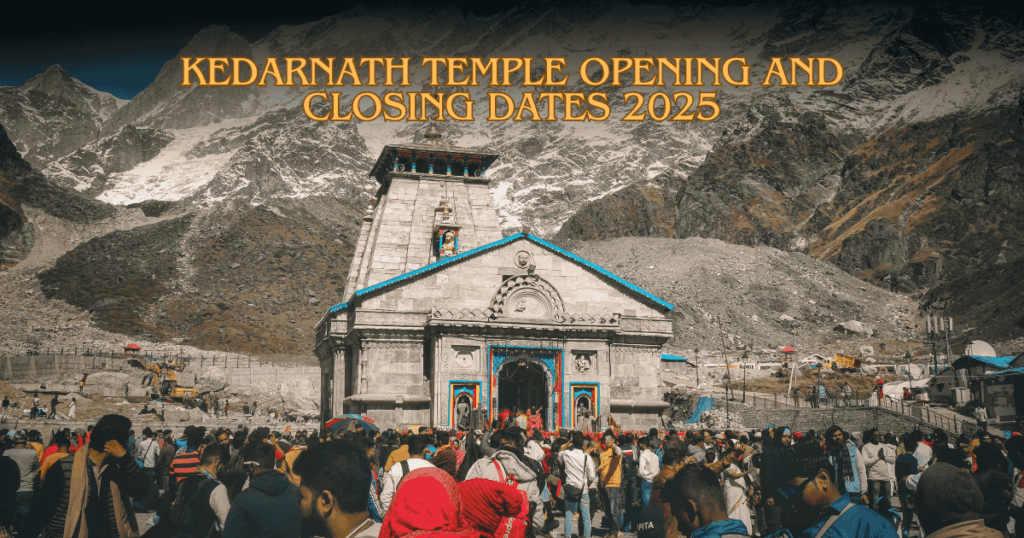
A Complete Guide The sacred Kedarnath Temple, nestled in the Rudraprayag district of Uttarakhand, is one of the most revered pilgrimage destinations in India. Dedicated to Lord Shiva, it forms a key part of the famous Chardham Yatra and is also one of the 12 Jyotirlingas, making it a must-visit for devotees seeking spiritual enlightenment. Set against the backdrop of the majestic Kedarnath Peak, Kedar Dome, and other snow-capped Himalayan mountains, the temple offers both a divine experience and a breathtaking natural setting. Everything You Need to Know About Kedarnath Temple Opening and Closing Dates 2025 Kedarnath Temple Opening & Closing Dates 2025 Opening Date: The Kedarnath Temple will open on 2nd May 2025 at 6:20 AM. Closing Date: The temple will close for the winter season in November 2025 (exact date to be announced). Darshan Timing: Temple opens at 4:00 AM. Temple closes at 8:00 PM. The best time to visit Kedarnath is during May to October, as the winter months bring heavy snowfall, and the town becomes inaccessible. How to Reach Kedarnath By Train: The nearest railway station is Rishikesh, located 216 km from Kedarnath. From Rishikesh, buses and taxis are available to Gaurikund, the last motorable point. By Road: Gaurikund, on National Highway 109, is well-connected to major cities like Dehradun, Rishikesh, Haridwar, Srinagar, and others. Taxis and buses operate frequently from these destinations. By Air: The nearest airport is Jolly Grant Airport in Dehradun, located 238 km from Kedarnath. From the airport, you can hire a taxi or take a bus to Gaurikund. Places to Visit in and Around Kedarnath Kedarnath is not just a spiritual hub but also a haven for nature lovers and trekkers. Here are some top places to explore: Popular Treks Near Kedarnath Why Visit Kedarnath in 2025? The Kedarnath Yatra offers a perfect blend of spirituality, adventure, and natural beauty. Whether you’re seeking divine blessings or exploring the awe-inspiring Himalayas, Kedarnath is an experience like no other. Plan your visit between May to October for the best weather and accessibility. Prepare for a memorable journey, and don’t forget to mark the Kedarnath Opening and Closing Dates 2025 on your calendar!