
Top 10 Best Places to Visit in India in January for a Magical Winter Getaway
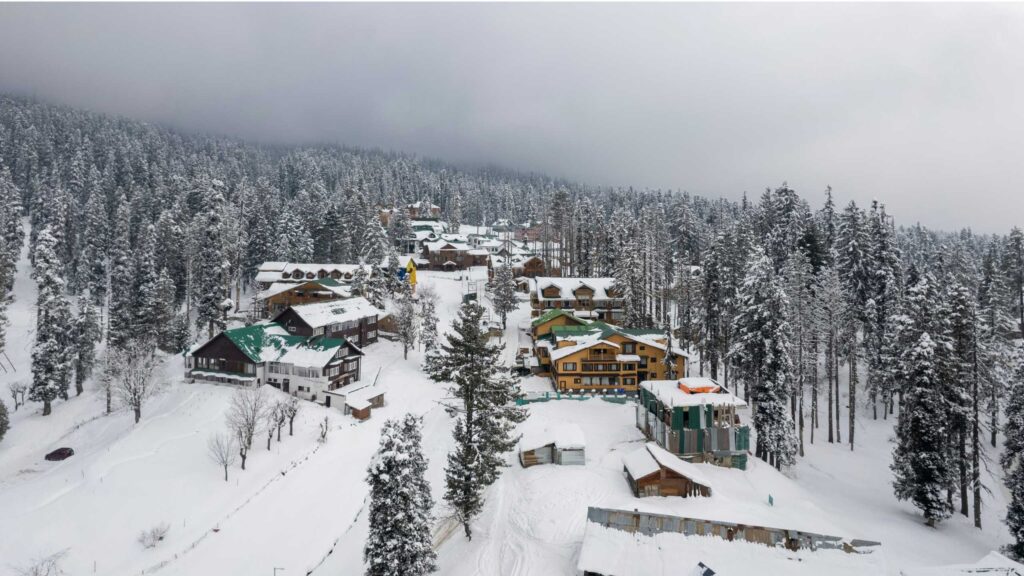
January marks the beginning of a brand-new year, and what better way to start than exploring some of the most breathtaking destinations in India? With winter in full swing, snow-clad mountains, vibrant festivals, and pleasant weather make January one of the best months for travel. Whether you’re dreaming of snowy adventures in the Himalayas, peaceful beach holidays in the South, or cultural celebrations in colorful cities, India has something for every traveler. If you are looking for the Best Places to visit in India in January, this guide will take you through the top 10 destinations where you can enjoy an unforgettable start to the year. From majestic landscapes to unique experiences, these handpicked destinations will help you plan your perfect trip. 1. Manali, Himachal Pradesh When it comes to winter travel, Manali is undoubtedly among the Best Places to Visit in India in January. Nestled in the Kullu Valley, Manali transforms into a snowy paradise during January, attracting honeymooners, adventure lovers, and snow seekers. Why visit in January? Top Attractions: Travel Tip: Carry heavy woolens, thermals, and snow boots as temperatures can drop below freezing. Also Read: Winter Spiti Expedition 2. Jaipur, Rajasthan If snow is not your style, the Pink City Jaipur is one of the Best Places to Visit in India in January for a cultural and royal experience. With its grand palaces, lively bazaars, and colorful festivals, Jaipur offers pleasant weather in January—perfect for sightseeing. Why visit in January? Top Attractions: Travel Tip: Book accommodations early in January since the Jaipur Literature Festival draws large crowds. 3. Auli, Uttarakhand For snow lovers and skiing enthusiasts, Auli is truly among the Best Places to Visit in India in January. Often called the “Skiing Capital of India,” Auli is blanketed with thick snow during this month, making it a dream destination for winter sports and mountain views. Why visit in January? Top Attractions: Travel Tip: If you’re new to skiing, Auli offers professional ski training courses in January. 4. Goa If you are craving sunshine, sandy beaches, and vibrant nightlife, Goa easily ranks among the Best Places to Visit in India in January. The festive vibes of Christmas and New Year celebrations linger through the month, making Goa a paradise for beach lovers and party enthusiasts. Why visit in January? Top Attractions: Travel Tip: Book your flights and stays early since January is peak tourist season in Goa. 5. Rann of Kutch, Gujarat For a surreal and unique travel experience, the Rann of Kutch is one of the most extraordinary Best Places to Visit in India in January. The vast salt desert sparkles under the winter sun, and January is also the peak time of the famous Rann Utsav, a cultural extravaganza. Why visit in January? Top Attractions: Travel Tip: Don’t miss staying in traditional Kutchi tents during Rann Utsav for an authentic experience. 6. Munnar, Kerala For travelers seeking peace, tea gardens, and misty hills, Munnar is one of the Best Places to Visit in India in January. Nestled in Kerala’s Western Ghats, Munnar offers a cool climate and lush greenery that make it a perfect escape from the chilly northern winters. Why visit in January? Top Attractions: Travel Tip: Carry light woolens as evenings can get chilly in Munnar during January. 7. Andaman and Nicobar Islands If you are dreaming of turquoise waters, white sandy beaches, and tropical vibes, the Andaman and Nicobar Islands are among the most exotic Best Places to Visit in India in January. With calm seas and pleasant weather, January is the peak time to explore this island paradise. Why visit in January? Top Attractions: Travel Tip: Book ferries and accommodations early as January is high season in the islands. 8. Jaisalmer, Rajasthan The “Golden City” of Jaisalmer is another spectacular choice for the Best Places to Visit in India in January. With its desert forts, camel safaris, and cultural festivals, Jaisalmer is a dream destination for those seeking Rajasthan’s desert charm. Why visit in January? Top Attractions: Travel Tip: Opt for a desert camp stay to experience folk music, dance, and starry skies. 9. Darjeeling, West Bengal Famous for its tea plantations and toy train, Darjeeling is a charming hill station and among the Best Places to Visit in India in January. The winter chill adds a magical touch to its landscapes, making it a perfect retreat. Why visit in January? Top Attractions: Travel Tip: Carry warm clothing as temperatures can drop sharply in January. 10. Udaipur, Rajasthan Known as the “City of Lakes,” Udaipur is a romantic destination and one of the Best Places to Visit in India in January. Its palaces, lakes, and pleasant winter weather make it ideal for couples and culture lovers alike. Why visit in January? Top Attractions: Travel Tip: Evenings can get chilly, so carry light woolens for comfort. Conclusion India in January is a traveler’s delight—whether you want snowy mountains, sun-kissed beaches, desert adventures, or cultural festivals. These Top 10 Best Places to Visit in India in January showcase the country’s incredible diversity, offering unique experiences for every kind of traveler. So, pack your bags, pick your dream destination, and start the new year with an unforgettable journey through India’s most beautiful places. FAQs for Best Places to Visit in India in January Q1. Is January a good time to visit India? Yes, January is one of the best months to travel in India due to pleasant weather, winter festivals, and clear skies across most destinations. Q2. Which hill stations are the best to visit in January in India? Manali, Auli, Darjeeling, and Munnar are some of the best hill stations to visit in January, offering snow, tea gardens, and scenic views. Q3. What are the warm places to visit in India in January? Goa, Andaman Islands, and Kerala (Munnar, Alleppey, Kochi) are warm destinations where you can enjoy beaches and tropical weather in January. Q4. Where can I see snow in India in January? You can experience snowfall in Manali, Auli, Gulmarg
Winter Spiti Expedition: An Ultimate Guide for Fearless Wanderers
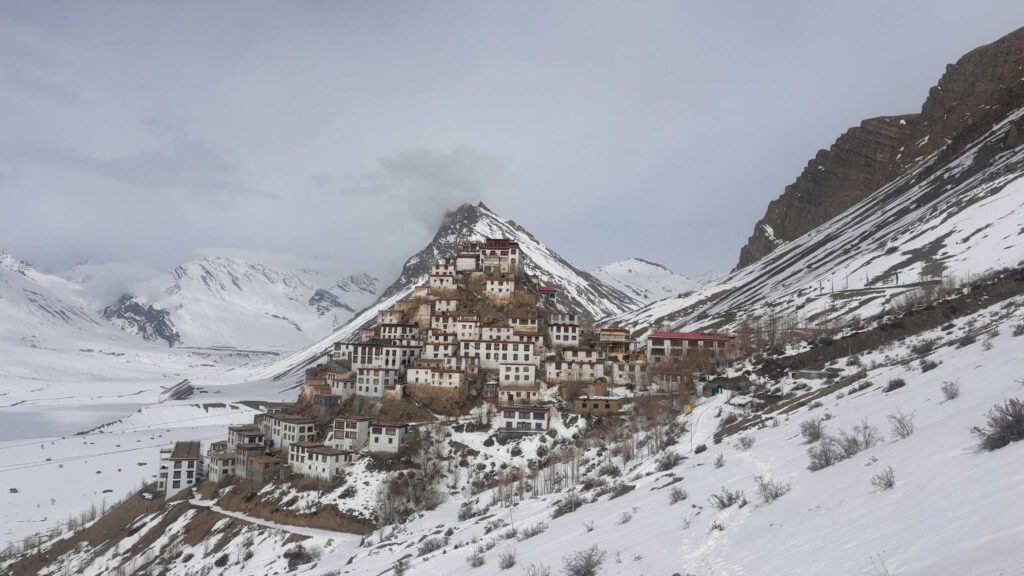
Introduction: The mystery of Spiti in the midst of winter’s embrace. Imagine awakening within a realm muffled by alabaster silence, where monasteries weathered by centuries rise like vigilant sentinels of forgotten lore, and the only anthem is the brittle fracture of frost beneath your boots. This is the Winter Spiti Expedition, an ethereal frontier etched into the cold desert of Himachal Pradesh. Though crowds surge toward Spiti in summer’s forgiving glow, it is the Winter Spiti Expedition that separates genuine voyagers from fleeting spectators. In these months the valley unveils its marrow, with frozen torrents, hamlets cocooned in snow, and constellations scattered across an ink-drenched sky that whisper tales of endurance and solitude. For those who yearn not just for scenery but for transformation, the Winter Spiti Expedition deserves a sacred place atop one’s aspirations. Why Undertake a Winter Spiti Expedition Many wonder why one would traverse Spiti during winter’s merciless rule. The season is indeed harsh, yet its very cruelty forms the essence of its allure. The valley in winter offers unworldly stillness, unspoiled and reverent. Cascades, rivers, and lakes crystallize into dreamlike marvels conjured straight from legend. With so few visitors, villagers reveal warmth that is rare and unfeigned, granting travelers a glimpse of unvarnished life in snow-laden settlements. Every icy drive along serpent roads and every trek through knee-deep snow transforms into lore of its own. For the bold, the Winter Spiti Expedition offers no grander stage. Must Read: Best Places to See Snow in Himachal Pradesh The Season’s Dominion Winter reigns over Spiti from late October until March, though the pinnacle of the Winter Spiti Expedition arrives between December and February, when snow holds supreme dominion. December and January bring fierce snowfall, rivers locked in ice, and a cold that shows no mercy, appealing only to those with audacious hearts. February and March soften slightly, days stretch longer, and roads awaken, striking a balance between peril and solace. Temperatures plunge to minus twenty degrees or lower once twilight drapes itself across the valley, reminding every traveler of the gravity of the Winter Spiti Expedition. Places Whispering Reverence The Winter Spiti Expedition is not about tallying countless stops but about immersing in chosen sanctuaries. Kaza, the nucleus of Spiti, becomes a refuge veiled in snow where homestays with wood-fired stoves and spirited souls keep warmth alive. Key Monastery, perched at 13,668 feet, gleams against a snowy canvas, while chants echoing through its icy halls remain etched in memory. Kibber Village, famed for sightings of the elusive snow leopard, enthralls those drawn to wild beauty. Langza, with its fossil-rich soil and vistas of Chau Chau Kang Nilda, Hikkim with its defiant post office, and Komic, one of the highest inhabited corners of the world, offer glimpses into resilience shaped by frost. Chandratal Lake, often inaccessible in mid-winter, reveals its semi-frozen grandeur during November’s dusk or March’s thaw, adding another jewel to the Winter Spiti Expedition. Adventures That Beckon The Winter Spiti Expedition is not a passive indulgence but an immersion into raw adventure. Snow treks carve paths through untouched silence, while the pursuit of the snow leopard lures wildlife sages from across the globe. Streams lie frozen in slumber, daring travelers to cross them, while steaming bowls of thukpa, prepared by locals hardened against winter’s fury, provide warmth that is both physical and soulful. Under the ink-black sky, stargazing reveals galaxies in their purest brilliance, an astral banquet that only Spiti can offer. Trials Etched in Frost No profound journey comes without crucibles, and the Winter Spiti Expedition is no exception. Temperatures plummet mercilessly, roads close without warning, and facilities diminish, leaving homestays as lifelines. The altitude demands patience and humility, while the weather writes its own law, untamed and unpredictable. Every hardship becomes part of the tale, and every ordeal adds depth to the journey. Preparations: The Key to Survival Wisdom is the foundation of triumph in the Winter Spiti Expedition. Acclimatize by halting at Shimla or Reckong Peo. Allow buffer days for the unexpected. Secure homestays long before arrival, and drink water even when thirst hides, for altitude deceives the senses. Packing becomes a ritual of survival: thermal layers, down jackets, impermeable gloves, woolen socks, fleece hoods, and boots that clutch the ice. Sunglasses shield against snow blindness, sunscreens protect under a deceptive winter sun, while power banks, headlamps, and medicines serve as guardians against altitude’s tricks. The Pathways into Spiti’s Winter There is but one artery open in winter, the Shimla–Reckong Peo–Kaza route, a demanding yet breathtaking journey stretching across two days. The Manali path slumbers beneath snow until May. Those who dare the Winter Spiti Expedition must trust sturdy four-wheel drives armed with snow chains, for public transport proves unreliable in such ruthless conditions. Shelter in Winter’s Grasp When hotels shutter, homestays whisper their welcome. Firewood hearths throb with warmth, butter tea steams beside bukhari stoves, and conversations flow richer than any luxury lodging. In these modest rooms, the essence of the Winter Spiti Expedition comes alive—stories exchanged, cultures intertwined, and humanity glowing brighter than any electric lamp. Stay at Spiti- Best Hotels in Spiti Safety and Reverence To endure the Winter Spiti Expedition, prudence is sacred. Notify others of your path, trust seasoned local drivers, and avoid the perils of night travel. Carry your refuse back, honor the valley’s traditions, and tread with respect. The expedition is not a conquest of nature but a communion with her raw spirit. The Call of Spiti’s Winter: A Benediction The Winter Spiti Expedition is not simply travel—it is revelation, ordeal, and transcendence entwined. It is the sting of icy winds across the cheek, the warmth of butter tea in homes filled with stories, and the hush of dawn gilding frozen valleys in molten gold. Severe, yes. Unforgiving, yes. Yet profoundly transformative. For dreamers seeking journeys that redraw the map of the soul, the Winter Spiti Expedition awaits—its silence louder than the clamor of any city.
Best Time to Visit Spiti Valley: A Month-by-Month Travel Guide
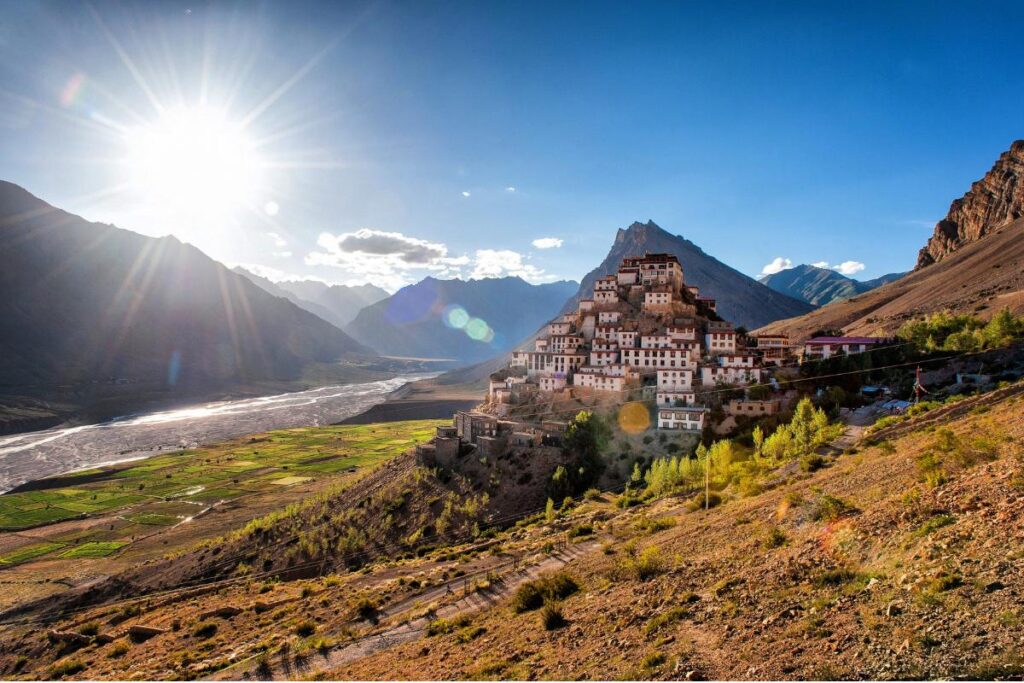
Have you ever felt like standing on the edge of the world? That’s exactly what Spiti Valley in Himachal Pradesh offers. Nestled in the lap of the Himalayas, Spiti Valley is a high-altitude cold desert that charms every traveler with its rugged terrain, ancient monasteries, starry skies, and silence that soothes the soul. But here’s the big question:What is the best time to visit Spiti Valley? The beauty of Spiti lies in its changing face throughout the year. Each month, from snow-covered winters to lush green summers, offers a unique experience. This month-by-month Spiti Valley travel guide will help you decide the Best Time to visit Spiti Valley. January – A Snowy Wonderland Temperature: -20°C to -5°CHighlights: Thick snow, frozen rivers, fairytale monasteries Spiti in January is for hardcore winter lovers and adventure seekers. Snow covers everything in sight. Only the Shimla route remains open, while the Manali route is shut. Stay in traditional homestays in Kaza and witness Spiti’s raw, frozen beauty. ✅ Tip: Carry heavy woollens, power banks, and consult locals for route updates. February – Snow Leopard Spotting Season Temperature: -18°C to -2°CHighlights: Snow-covered Kaza, wildlife sightings, untouched landscapes Still frozen, February in Spiti Valley offers a rare chance to spot the elusive snow leopard. With few tourists, this is a great month for solitude and wildlife photography. ✅ Tip: Consider traveling with experienced guides or wildlife experts. March – Winter’s Gentle Goodbye Temperature: -10°C to 5°CHighlights: Blue skies, patchy snow, dreamlike views As the valley slowly thaws, Spiti’s landscapes become a canvas of white and blue. Roads start improving, making it a good month for photographers and backpackers ready to brave a few hardships. April – The Awakening Begins Temperature: -5°C to 10°CHighlights: Apricot blossoms, village life, re-opening of guesthouses Spring slowly enters Spiti in April. Locals begin farming, kids return outdoors, and the valley regains life. While Manali route is still closed, the Shimla-Kaza road stays accessible. ✅ Stay Recommendation: Try Maitreya Mud House for an eco-luxury experience amidst blooming apricot trees. May – A Mix of Snow and Spring Temperature: 0°C to 15°CHighlights: Green valleys, snow at high altitudes, perfect road trip weather May is one of the best time to visit Spiti Valley. You get the best of both worlds—melting snow and blooming landscapes. It’s an ideal month for trekkers and first-time visitors. June – The Spiti Circuit Opens Up Temperature: 5°C to 20°CHighlights: Clear roads, full circuit via Manali, vibrant weather June is when Spiti Valley tourism peaks. The Manali-Kaza route opens, allowing you to complete the full Spiti circuit. Must-visit spots like Chandratal Lake, Hikkim, Komic, and Langza are fully accessible. ✅ Pro Tip: Book accommodations early—this is peak season! July – Green and Gorgeous Temperature: 8°C to 22°CHighlights: Greenery, bike trips, trekking, festivals July adds a lush green vibe to the valley. Snow vanishes, rivers run free, and festivals begin. A great month for photography, trekking, and exploring culture. ✅ Suggested Trek: The Dhankar Lake trek is highly recommended. August – Cultural Delight & Clear Weather Temperature: 10°C to 22°CHighlights: Festivals, homestays, traditional food August is all about connecting with Spiti’s culture. The weather stays pleasant, skies are clear, and local festivals offer deep insight into Buddhist traditions. ✅ Explore: Gue Mummy village, Tabo Monastery, and local kitchens. September – Golden Autumn Calm Temperature: 5°C to 18°CHighlights: Fewer tourists, autumn colors, ideal photography conditions Spiti in September turns golden as autumn sets in. It’s a peaceful month to visit, especially for couples, photographers, and slow travelers. Roads remain good, and the crowds thin out. ✅ Don’t Miss: Sunset at Key Monastery. It’s surreal. October – Rustic Charm Returns Temperature: -2°C to 15°CHighlights: Pre-winter calm, fewer tourists, rustic scenery October marks Spiti’s retreat into silence. With trees shedding and a chill in the air, the valley feels timeless. This is perfect for artists, solo travelers, and peaceful explorers. ✅ Pack Warm: Thermals, gloves, and layered clothing are essential. November – When Winter Knocks Temperature: -10°C to 5°CHighlights: Snow return, quiet roads, limited access November is challenging yet rewarding. Roads start freezing, but the Shimla route remains open. Spiti’s raw winter energy is for those ready to brave the cold. ✅ Good to Know: Monasteries may close doors to tourists this month. December – Himalayan Christmas & Silent Nights Temperature: -15°C to -2°CHighlights: Snowfall, minimal crowds, starry skies December brings a white Christmas in Spiti Valley. Snow begins to fall. Only essential services operate, but the peace and magic are unmatched. It’s ideal for those seeking spiritual or snowy solitude. ✅ Cozy Stay: Relax at Maitreya Regency for comfort and warmth. Conclusion: When Should You Visit Spiti Valley? There is no best time to visit Spiti Valley —your perfect month depends on what you seek. Whenever you go, make sure your stay complements the charm of Spiti. Choose Eco Hospitality—home to Maitreya Mud House and Maitreya Regency, designed to connect you with the valley’s heart.